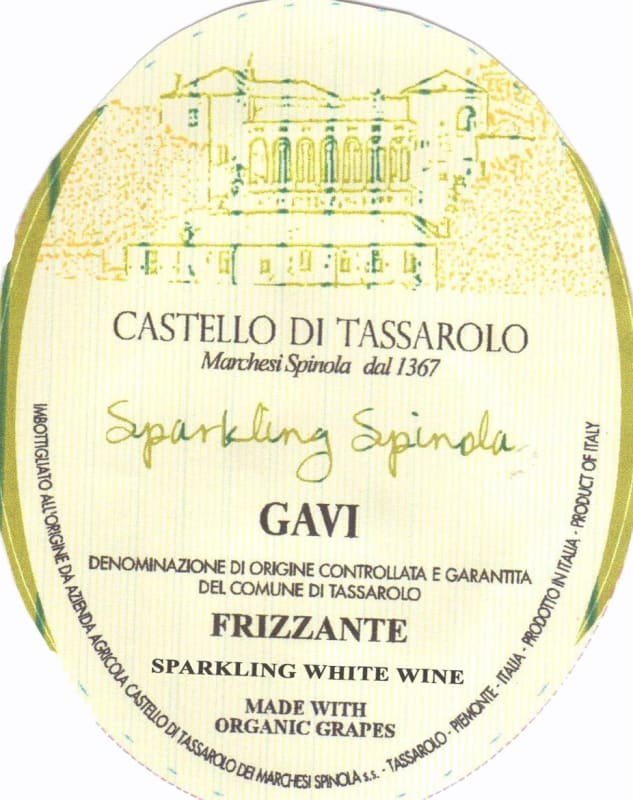

Winemaker Notes
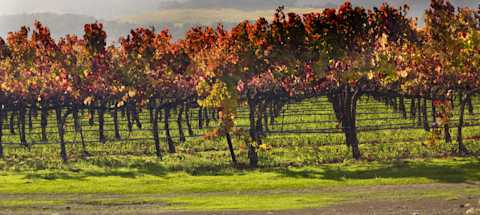
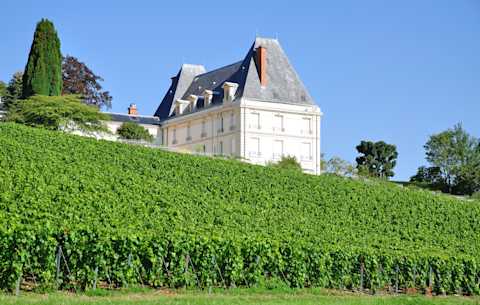
Representing the topmost expression of a Champagne house, a vintage Champagne is one made from the produce of a single, superior harvest year. Vintage Champagnes account for a mere 5% of total Champagne production and are produced about three times in a decade. Champagne is typically made as a blend of multiple years in order to preserve the house style; these will have non-vintage, or simply, NV on the label. The term, "vintage," as it applies to all wine, simply means a single harvest year.

Among Piedmont’s most historical and respected white wine producing zones, Gavi—also known as Gavi di Gavi and Cortese di Gavi—comes from Piedmont's southeast, in the province of Alessandria. Gavi is the main town of the area; Cortese is the grape. Cortese for Gavi is grown in any of 11 communes in the area where the soils are abundant in chalky, white, limestone-rich clay. The best Gavi from these locations are delicately floral, with stone fruit and citrus characters and a crisp, mineral-laden finish.
While typically made in a fresh and unoaked style, by law Gavi can come in many forms: frizzante, spumante, metodo classico and méthode ancestrale. But most producers maintain a conventional winemaking practice of temperature-controlled fermentation in stainless steel and make fresh, still whites. However, there are several barrique-aged examples, which can be interesting. The biodynamic wines of Gavi, fermented with ambient yeasts can be the most expressive.