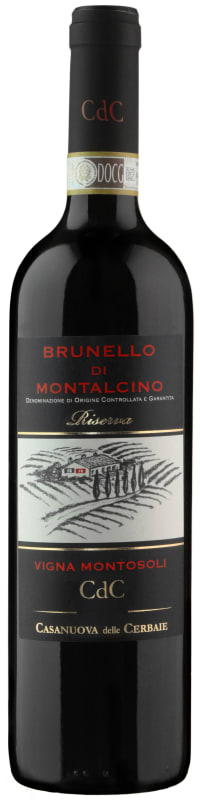


Winemaker Notes
Brilliant garnet red. Of great finesse and elegance, balanced in its austerity, the woods where it is matured blend well with the ethereal aroma; complex bouquet with well-ripened fruit. Imposing structure, of great thickness and volume, well smoothed tannins and excellent persistence.
Professional Ratings
-
James Suckling
A Brunello with plenty of cherry and walnut character. Coffee, too. It’s full-bodied with firm, chewy tannins and a flavorful finish. Lots of crushed cherry and berry flavors and a chewy finish. Needs some time to come together. Showing some Montosoli magic here. Better after 2024.
-
Robert Parker's Wine Advocate
Rather than the sweet oak nuances you get with the contemporary school of Brunello, this wine offers savory and spicy oak undertones. The Casanuova delle Cerbaie 2015 Brunello di Montalcino pours from the bottle with a dark garnet color and browning sepia highlights. Well suited for a finely executed risotto of porcini or morels, this wine presents traditional Brunello aromas of dried fruit, wild cherry, crushed rose, potting soil and dark spice. Some
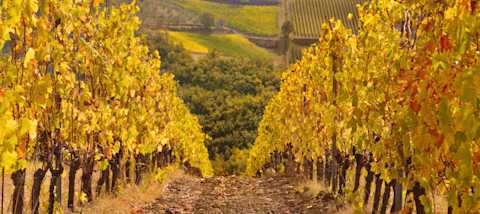
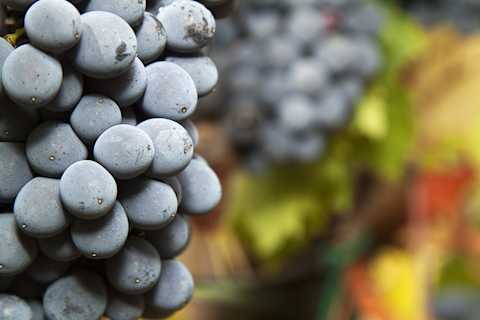
Among Italy's elite red grape varieties, Sangiovese has the perfect intersection of bright red fruit and savory earthiness and is responsible for the best red wines of Tuscany. While it is best known as the chief component of Chianti, it is also the main grape in Vino Nobile di Montepulciano and reaches the height of its power and intensity in the complex, long-lived Brunello di Montalcino. Somm Secret—Sangiovese doubles under the alias, Nielluccio, on the French island of Corsica where it produces distinctly floral and refreshing reds and rosés.
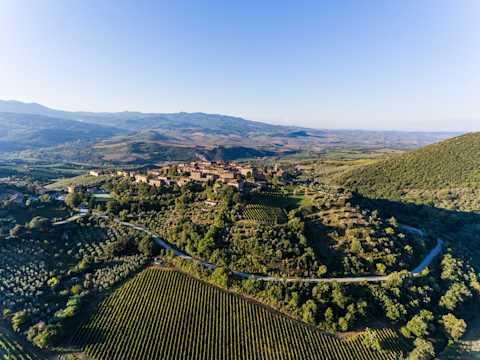
Famous for its bold, layered and long-lived red, Brunello di Montalcino, the town of Montalcino is about 70 miles south of Florence, and has a warmer and drier climate than that of its neighbor, Chianti. The Sangiovese grape is king here, as it is in Chianti, but Montalcino has its own clone called Brunello.
The Brunello vineyards of Montalcino blanket the rolling hills surrounding the village and fan out at various elevations, creating the potential for Brunello wines expressing different styles. From the valleys, where deeper deposits of clay are found, come wines typically bolder, more concentrated and rich in opulent black fruit. The hillside vineyards produce wines more concentrated in red fruits and floral aromas; these sites reach up to over 1,600 feet and have shallow soils of rocks and shale.
Brunello di Montalcino by law must be aged a minimum of four years, including two years in barrel before realease and once released, typically needs more time in bottle for its drinking potential to be fully reached. The good news is that Montalcino makes a “baby brother” version. The wines called Rosso di Montalcino are often made from younger vines, aged for about a year before release, offer extraordinary values and are ready to drink young.