
Winemaker Notes
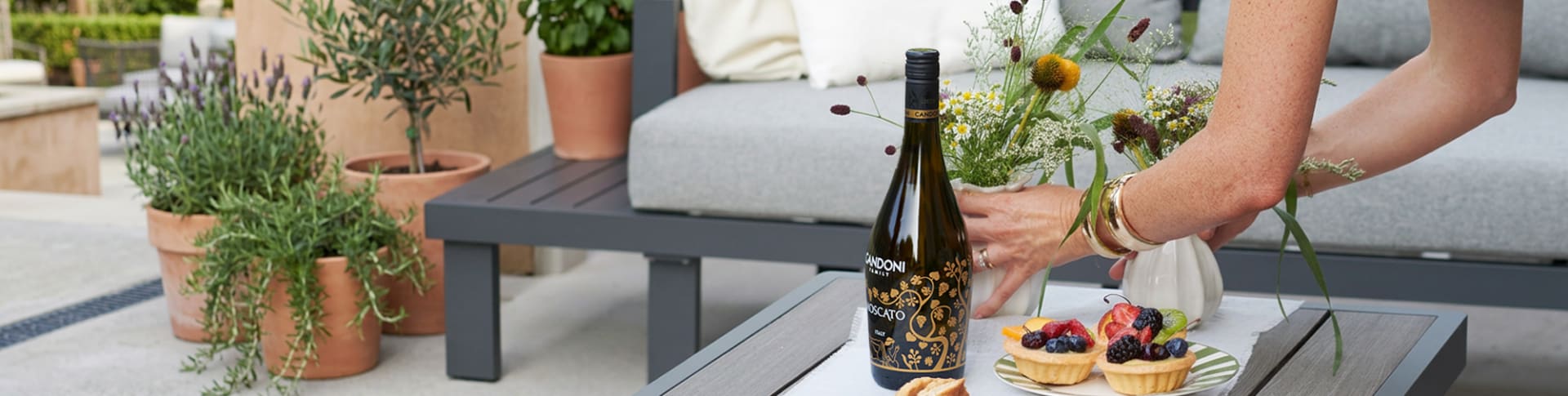




The De Zan and the Candoni families have been involved in winemaking since the late 1800's. After having lived in the U.S. for 12 years, Armando De Zan, Elviana Candoni and their daughters Barbara and Caterina, have dedicated themselves to produce and export Italian Wines around the world.
"We are an Italian, family-run winery, committed to excellent winemaking for over one hundred years. We feel great pride and gratitude for the magic land we come from and want our Candoni Painted Bottles to be a celebration of its beauty and culture that the Ancient Romans started 2000 years ago. All our bottles are painted with a technique called serigraphy, which is a method of using ceramic natural colors melted on the glass of the bottle to create a unique piece of art. With our bottles, you will have the chance to bring home a piece of real Ancient Roman art, as each bottle represents an original fresco painting found on the Roman walls."
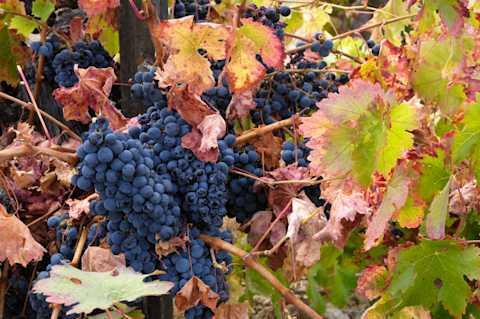
Montepulciano is the second most planted red variety in Italy after Sangiovese, though it is achieves its highest potential in the region of Abruzzo. Consistently enticing and enjoyable, Montepulciano enjoys great popularity throughout central and southern Italy as well. A tiny bit grows with success in California, Argentina and Australia. Somm Secret—Montepulciano is also the name of a village in Tuscany where, confusingly, they don’t grow the Montepulciano grape at all! Sangiovese shines in yet another Tuscan village, here making the reputable wine called Vino Nobile di Montepulciano.

A warm, Mediterranean vine-growing paradise, in Abruzzo, the distance from mountains to seaside is relatively short. The Apenniness, which run through the center of Italy, rise up on its western side while the Adriatic Sea defines its eastern border.
Wine composition tends to two varieties: Abruzzo’s red grape, Montepulciano and its white, Trebbiano. Montepulciano d’Abruzzo can come in a quaffable, rustic and fruity style that generally drinks best young. It is also capable of making a more serious style, where oak aging tames its purely wild fruit.
Trebbiano in Abruzzo also comes in a couple of varieties. Trebbiano Toscana makes a simple and fruity white. However when meticulously tended, the specific Trebbiano d’Abruzzo-based white wines can be complex and long-lived.
In the region’s efforts to focus on better sites and lower yields, vine acreage has decreased in recent years while quality has increased.