

Winemaker Notes
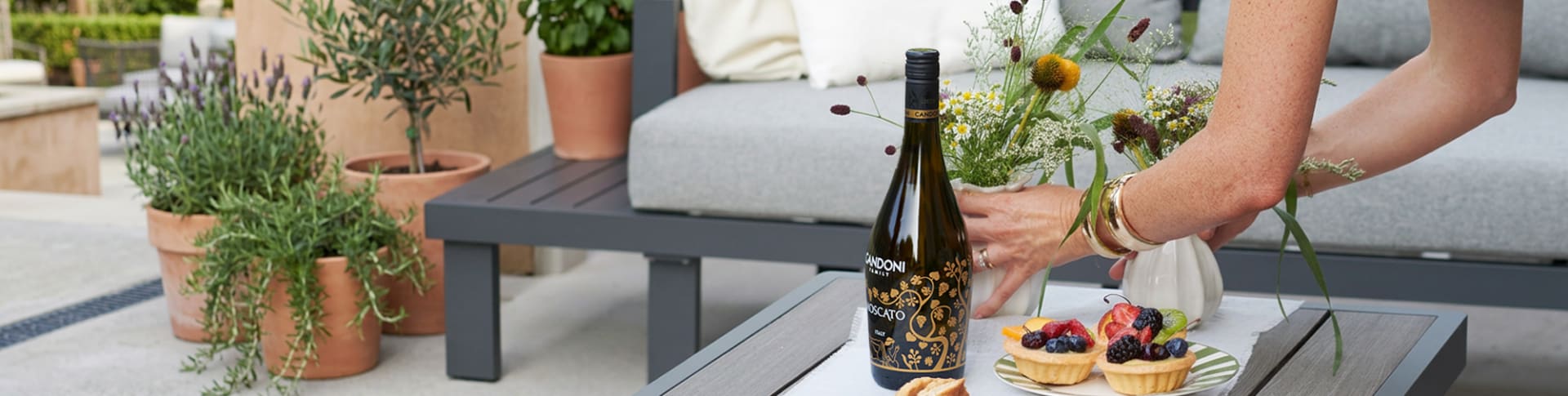


The De Zan and the Candoni families have been involved in winemaking since the late 1800's. After having lived in the U.S. for 12 years, Armando De Zan, Elviana Candoni and their daughters Barbara and Caterina, have dedicated themselves to produce and export Italian Wines around the world.
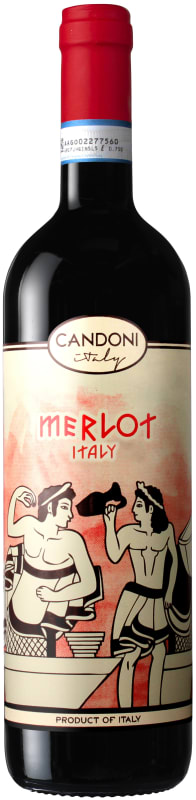
"We are an Italian, family-run winery, committed to excellent winemaking for over one hundred years. We feel great pride and gratitude for the magic land we come from and want our Candoni Painted Bottles to be a celebration of its beauty and culture that the Ancient Romans started 2000 years ago. All our bottles are painted with a technique called serigraphy, which is a method of using ceramic natural colors melted on the glass of the bottle to create a unique piece of art. With our bottles, you will have the chance to bring home a piece of real Ancient Roman art, as each bottle represents an original fresco painting found on the Roman walls."

When asked to name common Italian red grapes, most wine drinkers would probably begin with Sangiovese and continue with various other indigenous varieties. But Merlot (along with several other international varieties) has a significant presence in Italy, with over 60,000 acres planted. Granted, much of this is everyday quaffing wine grown in the northeast by producers taking advantage of the vine’s prolific nature, especially in the Veneto and Friuli.
But through much of the country the wine is grown with more care and used predominantly as a blending agent, thereby adding a certain soft, fleshy appeal to a great many reds. Of course, this practice is often not mentioned on labels. In Tuscany, Merlot appears in a wide variety of blends, as well as sometimes in Chianti Classico. In fact, Italian Merlot reaches its greatest heights in the coastal Tuscan region of Maremma. Here it appears in blends and – spectacularly – in 100% varietal expressions like Masseto, L’Apparita and Messorio. Italian Merlots such as these boast the power, concentration and complexity seen in the finest examples from Bordeaux’s Right Bank.