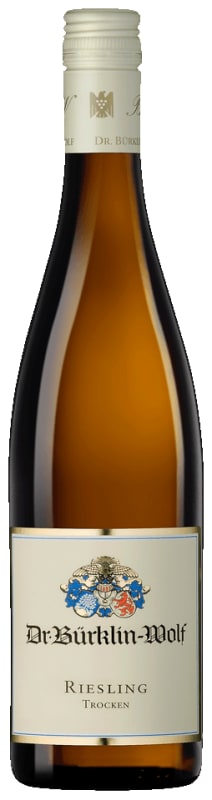


Winemaker Notes
Deidesheim, a prestigious wine-growing village in Germany's Pfalz region, is home to a small "grosses gewachs" vineyard with chalky clay and sandstone soils. The low-yielding old vines produce an opulent dry wine with a perfumed nose of white blossom, lime, and flintstone notes. The silky palate offers flavors of peach and crisp minerals, balanced by fresh acidity and an exceptionally long finish. This wine is perfect with smoked or grilled fish, Mediterranean antipasti, and spicier Asian cuisine.
Professional Ratings
-
James Suckling
A stunning, entry-level dry riesling with an impressive depth of stone fruit and a touch of flint that gives it energy on the medium-bodied palate. Long, compact, salty finish. A cuvee of wines that are 40% from Ruppertsberg and 60% from Wachenheim, mostly from young vineyards. From biodynamically grown grapes. Vegan.
-
Robert Parker's Wine Advocate
The 2023 Riesling Trocken is still closed and reductive in its pretty spicy and phenolic, initially rather grassy nose that opens up in the glass to deliver ripe lemon aromas intertwined with notes of broken sandstones. Round and lush on the palate, this is a juicy, elegant and quite intense or even extract-rich Riesling with ripe acidity and good, phenolic grip. 12% stated alcohol. Screw-cap closure.


Riesling possesses a remarkable ability to reflect the character of wherever it is grown while still maintaining its identity. A regal variety of incredible purity and precision, this versatile grape can be just as enjoyable dry or sweet, young or old, still or sparkling and can age longer than nearly any other white variety. Somm Secret—Given how difficult it is to discern the level of sweetness in a Riesling from the label, here are some clues to find the dry ones. First, look for the world “trocken.” (“Halbtrocken” or “feinherb” mean off-dry.) Also a higher abv usually indicates a drier Riesling.

This sunny and relatively dry region served for many years as a German tourist mecca and was associated with low cost, cheerful wines. But since the 1980s, it has gained a reputation as one of Germany’s more innovative regions, which has led to increased international demand.