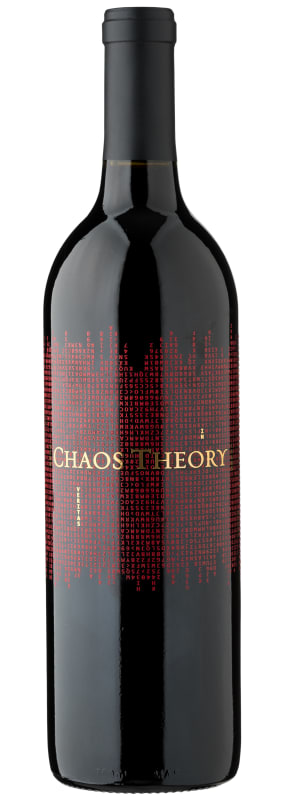


Winemaker Notes
Varietal Composition: 50% Napa Valley Petite Sirah, 40% Napa Valley Merlot, 10% Sierra Foothills Zinfandel
Chaos Theory began as a one-off blend of Cabernet Sauvignon and Zinfandel that David created for our first participation in the annual Premiere Napa Valley trade auction. It made such a splash he went back to the cellar to dial in the details so we could make it a permanent part of our lineup. Over the years this proprietary blend has become a shape-shifter, each vintage its own uniqueblend. Such is our journey through the world of wine — a constant adventure that reminds us year in and year out that no matter how random or chaotic things may seem, amidst the mayhem there is reason, if not always rhyme, to all we do and experience.
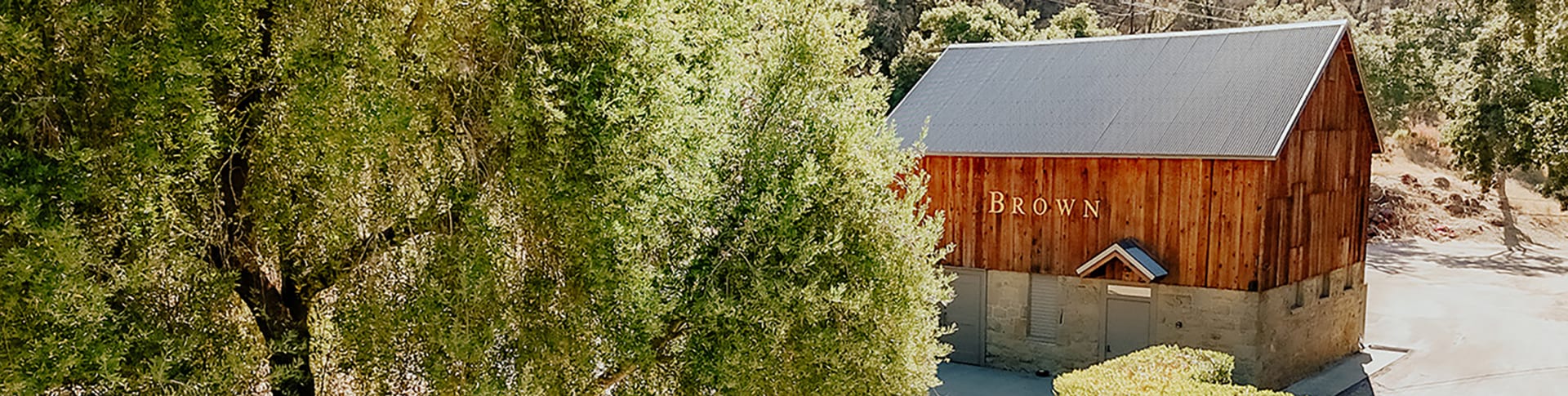



In 1980, the family acquired land in the hills east of Rutherford in the Napa Valley. They were farmers first, and farmers they remain. In 1995 they decided on the strength of the fruit to make wine under their own label. The following year the family produced the first vintage of zinfandel, and along the way we have added Cabernet Sauvignon, Chardonnay, Petite Sirah, and the occasional dessert wine.
In 2010 the Brown family celebrated thirty years in the Napa Valley and Brown Estate's fifteenth crush. Over the years the farming philosophy has not changed: Their fifty acres of vineyards are planted amidst 450 acres of roughneck wilderness that they strive to tend rather than tame – from the occasional inconvenient honeybee hive in the winery to the prickly star thistles in the vineyards that are a part of their ecosystem.
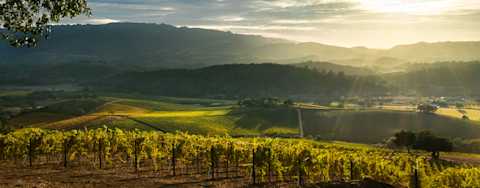
Undoubtedly proving its merit over and over, Napa Valley is a now a leading force in the world of prestigious red wine regions. Though Cabernet Sauvignon dominates Napa Valley, other red varieties certainly thrive here. Important but often overlooked include Merlot and other Bordeaux varieties well-regarded on their own as well as for their blending capacities. Very old vine Zinfandel represents an important historical stronghold for the region and Pinot noir is produced in the cooler southern parts, close to the San Pablo Bay.
Perfectly situated running north to south, the valley acts as a corridor, pulling cool, moist air up from the San Pablo Bay in the evenings during the hot days of the growing season, which leads to even and slow grape ripening. Furthermore the valley claims over 100 soil variations including layers of volcanic, gravel, sand and silt—a combination excellent for world-class red wine production.