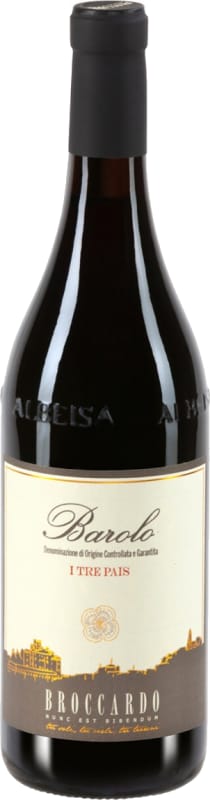


Winemaker Notes
The wine is a beautiful red color with orange highlights increasingly pronounced as it extends the period of aging. Spicy oak aromas of vanilla and licorice. The palate is immediately fresh and rich, then soft and balanced. A pleasant Barolo with hints of citrus and refined tannins. Longevity over 20 years.
Professional Ratings
-
James Suckling
Violets, licorice, dried flowers, plums and a subtle earthy note. The succulent, juicy palate shows abundant yet restrained fruit, thanks to some grippy tannins that dissipate toward the finish. Very open and accessible. Drink or hold.
-
Decanter
Opulent and aromatic, with a nose of mint, pepper and dark strawberry; palate of sweet cherry and cedar wood.
-
Wine Enthusiast
There is a real character to this, dehydrated blood orange and dried Bing cherry sitting alongside wild herbs with a concentrated and almost rustic appeal that feels completely genuine. The palate is plush, juicy, and simply fun to drink, closing with a spicy finish that adds just enough seriousness to keep things interesting.
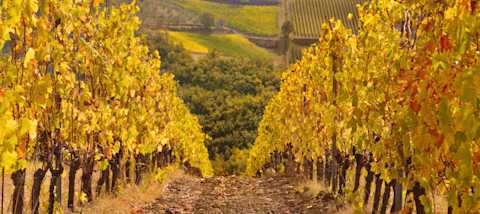
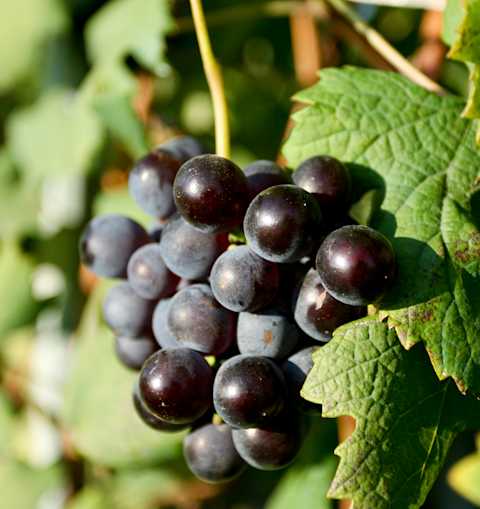
Responsible for some of the most elegant and age-worthy wines in the world, Nebbiolo, named for the ubiquitous autumnal fog (called nebbia in Italian), is the star variety of northern Italy’s Piedmont region. Grown throughout the area, as well as in the neighboring Valle d’Aosta and Valtellina, it reaches its highest potential in the Piedmontese villages of Barolo, Barbaresco and Roero. Outside of Italy, growers are still very much in the experimentation stage but some success has been achieved in parts of California. Somm Secret—If you’re new to Nebbiolo, start with a charming, wallet-friendly, early-drinking Langhe Nebbiolo or Nebbiolo d'Alba.

The center of the production of the world’s most exclusive and age-worthy red wines made from Nebbiolo, the Barolo wine region includes five core townships: La Morra, Monforte d’Alba, Serralunga d’Alba, Castiglione Falletto and the Barolo village itself, as well as a few outlying villages. The landscape of Barolo, characterized by prominent and castle-topped hills, is full of history and romance centered on the Nebbiolo grape. Its wines, with the signature “tar and roses” aromas, have a deceptively light garnet color but full presence on the palate and plenty of tannins and acidity. In a well-made Barolo wine, one can expect to find complexity and good evolution with notes of, for example, strawberry, cherry, plum, leather, truffle, anise, fresh and dried herbs, tobacco and violets.
There are two predominant soil types here, which distinguish Barolo from the lesser surrounding areas. Compact and fertile Tortonian sandy marls define the vineyards farthest west and at higher elevations. Typically the Barolo wines coming from this side, from La Morra and Barolo, can be approachable relatively early on in their evolution and represent the “feminine” side of Barolo, often closer in style to Barbaresco with elegant perfume and fresh fruit.
On the eastern side of the Barolo wine region, Helvetian soils of compressed sandstone and chalks are less fertile, producing wines with intense body, power and structured tannins. This more “masculine” style comes from Monforte d’Alba and Serralunga d’Alba. The township of Castiglione Falletto covers a spine with both soil types.
The best Barolo wines need 10-15 years before they are ready to drink, and can further age for several decades.