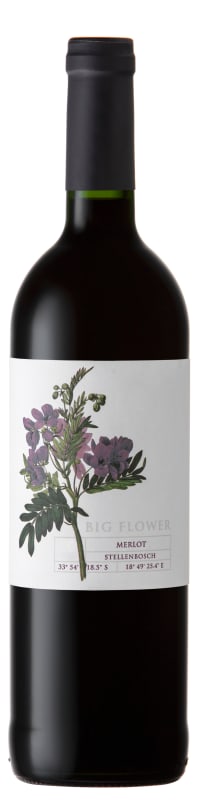


Winemaker Notes
Intricate aromas and flavors of plum and dark berry fruit, with a rich, plush mouthfeel and soft, refined tannins. It’s juicy enough for solo sipping yet has enough grip to pair with a nice steak.
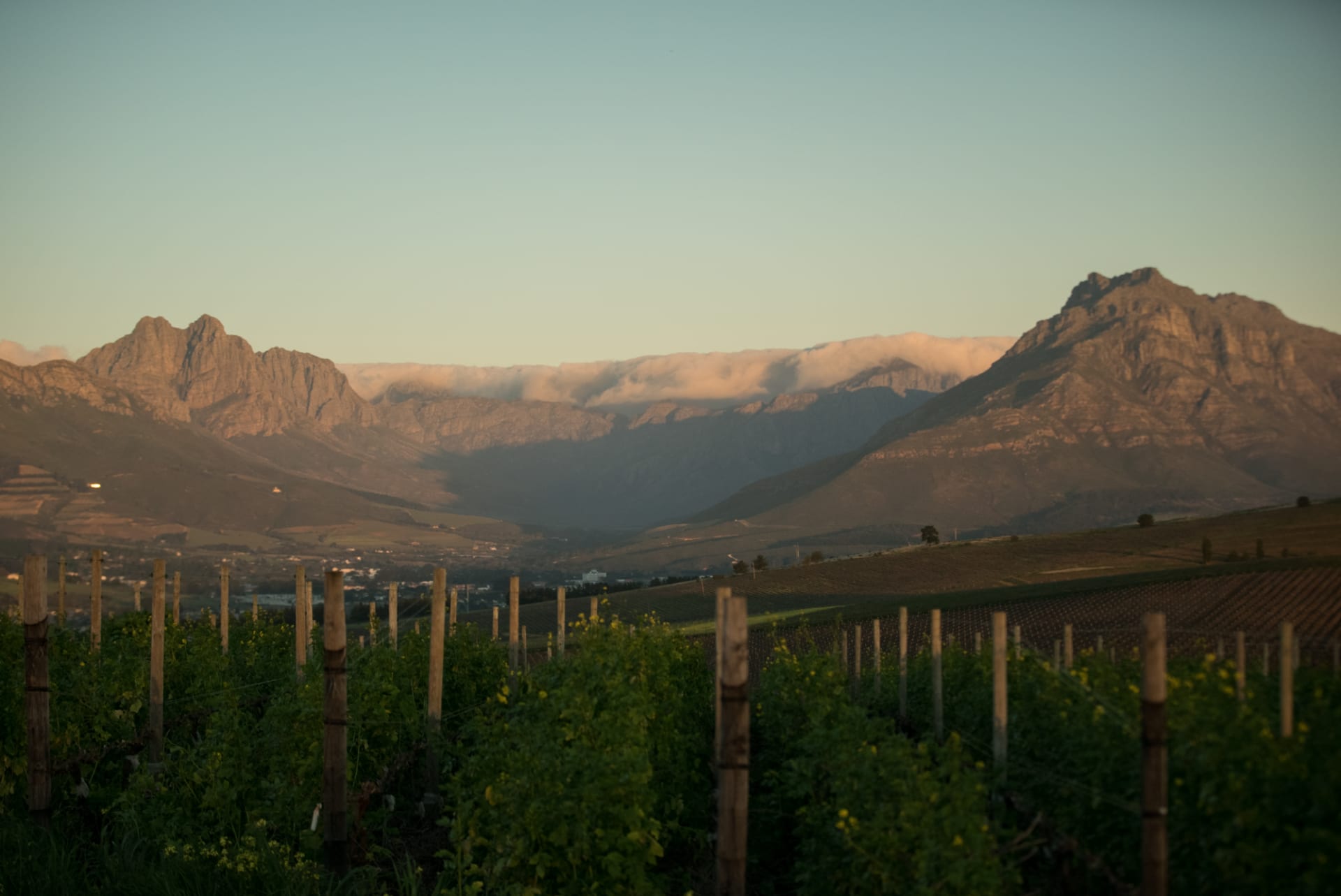



Botanica Wines was founded in 2009 by owner and self-taught winemaker Ginny Povall, an intrepid American who fell in love with the beautiful Cape winelands, purchased Protea Heights farm in Stellenbosch’s Devon Valley and relocated to the southern tip of Africa in 2008. Established in the late 1940s, Protea Heights was the first farm in South Africa to cultivate indigenous protea flowers commercially. Inspired by this horticultural history, it was only natural that Ginny would choose to develop her wine brands and labels with a botanical flair.
Today the estate boasts eight varieties of proteas (four of which are hybridized species unique to the property), largely destined for export to Europe. The 21.6 hectare farm is planted with 10 hectares of indigenous flowers, which bloom throughout the year, and 5 hectares of organically farmed, high density vineyards. Planted between 2009 and 2010, the estate vines provide the Cabernet Sauvignon, Merlot, Cabernet Franc, Petit Verdot and Albariño used to craft Botanica’s Arboretum, Big Flower and Flowergirl ranges.
Protea Heights is also home to Sugarbird Manor, a 4-star luxury guesthouse with nine modern guest rooms and suites and four loft-inspired cottages, offering the perfect winelands retreat.
The Protea Heights vineyards were established in 2009 and 2010, with high density plantings ranging from 5,600 – 10,100 vines per hectare. They are positioned primarily on cooler south to southeast facing slopes, at an altitude ranging from 200 to 250 meters above sea level. Cooling afternoon breezes from False Bay provide natural air conditioning for the vineyards during the warm summer months, cooling the temperatures by an average 10+ degrees. The vineyards were converted to organic farming practices in 2014.
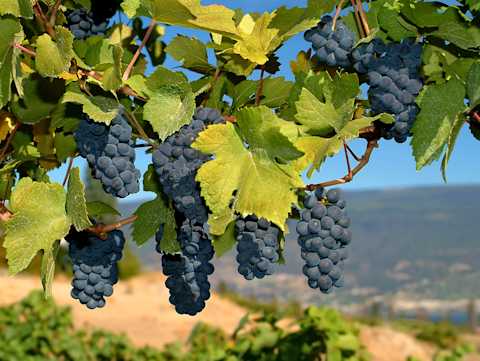
With generous fruit and supple tannins, Merlot is made in a range of styles from everyday-drinking to world-renowned and age-worthy. Merlot is the dominant variety in the wines from Bordeaux’s Right Bank regions of St. Emilion and Pomerol, where it is often blended with Cabernet Franc to spectacular result. Merlot also frequently shines on its own, particularly in California’s Napa Valley. Somm Secret—As much as Miles derided the variety in the 2004 film, Sideways, his prized 1961 Château Cheval Blanc is actually a blend of Merlot and Cabernet Franc.
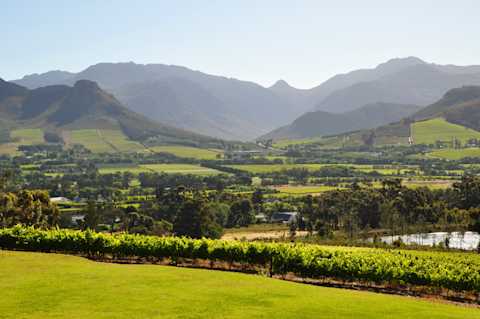
With an important wine renaissance in full swing, impressive red and white bargains abound in South Africa. The country has a particularly long and rich history with winemaking, especially considering its status as part of the “New World.” In the mid-17th century, the lusciously sweet dessert wines of Constantia were highly prized by the European aristocracy. Since then, the South African wine industry has experienced some setbacks due to the phylloxera infestation of the late 1800s and political difficulties throughout the following century.
Today, however, South Africa is increasingly responsible for high-demand, high-quality wines—a blessing to put the country back on the international wine map. Wine production is mainly situated around Cape Town, where the climate is generally warm to hot. But the Benguela Current from Antarctica provides brisk ocean breezes necessary for steady ripening of grapes. Similarly, cooler, high-elevation vineyard sites throughout South Africa offer similar, favorable growing conditions.
South Africa’s wine zones are divided into region, then smaller districts and finally wards, but the country’s wine styles are differentiated more by grape variety than by region. Pinotage, a cross between Pinot Noir and Cinsault, is the country’s “signature” grape, responsible for red-fruit-driven, spicy, earthy reds. When Pinotage is blended with other red varieties, like Cabernet Sauvignon, Merlot, Syrah or Pinot Noir (all commonly vinified alone as well), it is often labeled as a “Cape Blend.” Chenin Blanc (locally known as “Steen”) dominates white wine production, with Chardonnay and Sauvignon Blanc following close behind.