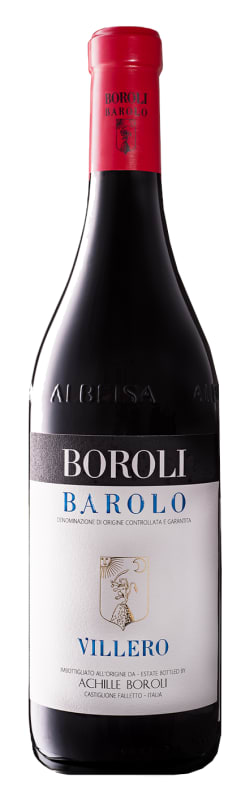


Winemaker Notes
Bright ruby red color, limpid. Floral scent that opens gradually releasing spicy aromas. Full, persistent and enveloping taste, with a good presence of tasty but sweet tannins.
Professional Ratings
-
Wine Spectator
Sweet cherry, berry, floral, mineral and tobacco flavors signal this sleek, elegant and structured Barolo, with vibrant acidity keeping it focused through the long finish. Shows superb balance and length, with a lingering aftertaste of bright red fruit. Best from 2027 through 2043.
-
Decanter
With a south/southwest exposure, the portion of Villero managed by Boroli is just below the estate. The 2019 is earthy and restrained, austere on the nose as well as on the palate. Dill, tar, rhubarb and bergamot scents lead to a dense and velvety yet firm attack, with refreshing acidity. A powerful wine not without grace thanks to its clean, polished finish.
-
James Suckling
This has a citrusy and red-fruited nose with dried flowers and bark. Medium- to full-bodied with firm tannins, that are slightly chewy. Yet it is juicy and bright with fresh cherry and blood orange undertones. Polished finish. Drink after 2027.
-
Robert Parker's Wine Advocate
The Boroli 2019 Barolo Villero opens to mid-weight concentration with enough garnet shine to remind you of how pretty Nebbiolo can look in in the glass, especially when young. Villero reveals savory aromas of dark fruit, plum, spice, earth and leather. It draws its fruit from Castiglione Falletto and you can expect tighter structure for steady cellar aging as a result. Only 4,380 bottles will hit the market this fall.
-
Wine Enthusiast
The enticing Barolo reveals dark fruit aromas of plum and blueberry, intertwined with baking spices, dried herbs and sweet tobacco. The plump palate showcases a deep core of mixed red and black fruits, accompanied by oak notes and fine tannins that contribute to a savory and mouthwatering finish. Best enjoyed from 2026–2045.
-
Jeb Dunnuck
A luxuriously styled expression of Villero, the 2019 Barolo Villero is a deep ruby into garnet and has ripe aromas of cedar, kirsch, polished leather, and balsamic. Medium to full-bodied, with notes of ripe red plum, tobacco, and turned earth, it is approachable, with ripe tannins and a rounded feel. The fruit is fresh at this stage but feels as if it may mature a touch earlier than some styles of Barolo in 2019. Drink 2023-2030.
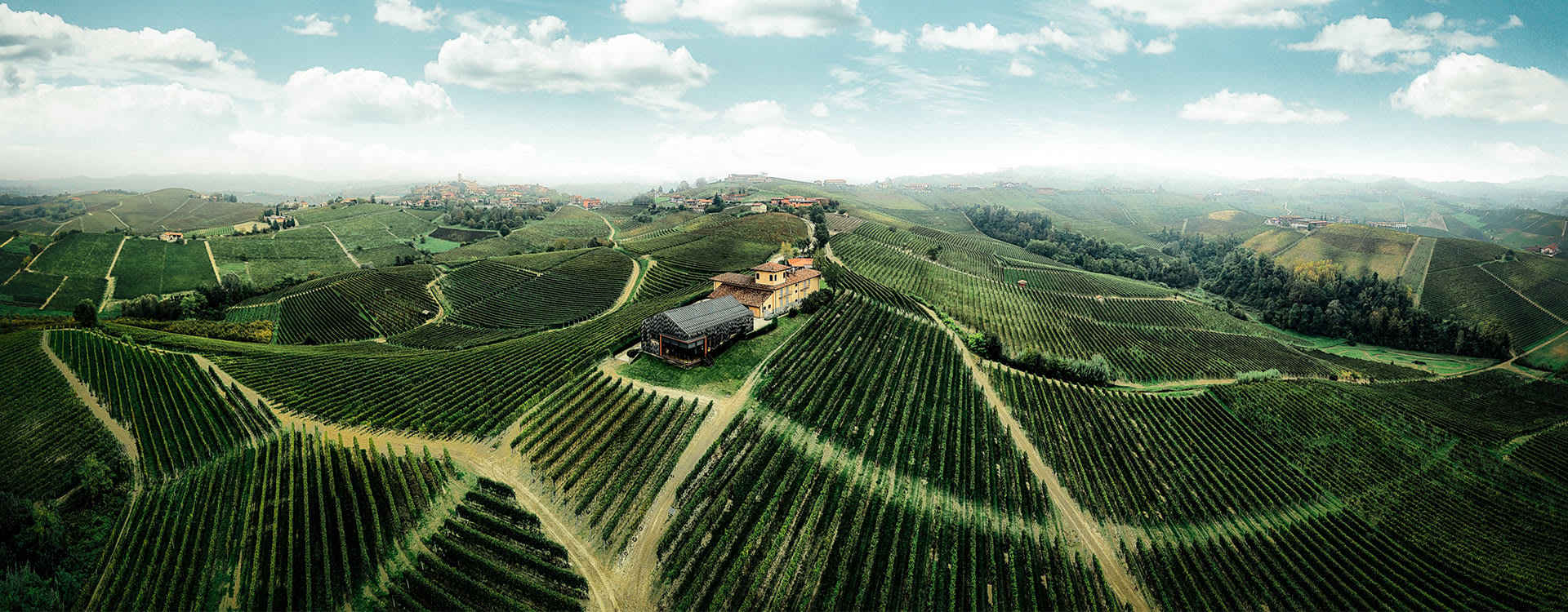



The Boroli family is a family of entrepreneurs, with roots in Piedmont dating back to as early as 1831. The family did not embark in the winemaking business until 1997, when Silvano and Elena Boroli felt an ardent desire to step away from the pressures of their publishing business and reconnect to nature. Silvano and Elena grew the company until their son, Achille, stepped in to run the wine-growing and production business in 2012.
Achille grew up studying wine by experiencing every level of the winemaking process in a tactile and sensory manner. For years, he shadowed the winemaker at his family’s winery, tasting samples from every barrel, touching every bunch of grapes, smelling every oak barrique, until he developed an intuition. That intuition, paired with precise vineyard management and winemaking techniques, are the tools Achille uses to make wines of the highest quality today.
With the 2012 grape harvest Achille decided to radically change the methods used in vineyards and wineries, aiming for the highest quality in Barolo and its crus. He cut production levels, updated the winemaking technology, and focused on low intervention methods to raise the quality of the Boroli wines be on par with the finest Barolo wines.
For Achille Boroli, quality starts in the vineyards. From the vineyard to the bottle, Boroli’s winemaking choices are focused on one thing: producing unique Barolo wines of extreme quality. In the vineyard, quality begins with fertilizing, which is carried out every three years, using only organic materials. The density per hectare is kept at a minimum, and green harvesting is used to minimize the production of grapes, keeping only 4-6 bunches per vine, thus concentrating the efforts of the vine to the bunches of the highest quality.
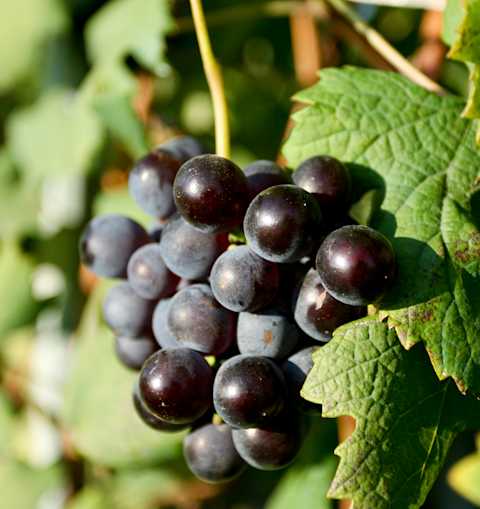
Responsible for some of the most elegant and age-worthy wines in the world, Nebbiolo, named for the ubiquitous autumnal fog (called nebbia in Italian), is the star variety of northern Italy’s Piedmont region. Grown throughout the area, as well as in the neighboring Valle d’Aosta and Valtellina, it reaches its highest potential in the Piedmontese villages of Barolo, Barbaresco and Roero. Outside of Italy, growers are still very much in the experimentation stage but some success has been achieved in parts of California. Somm Secret—If you’re new to Nebbiolo, start with a charming, wallet-friendly, early-drinking Langhe Nebbiolo or Nebbiolo d'Alba.

The center of the production of the world’s most exclusive and age-worthy red wines made from Nebbiolo, the Barolo wine region includes five core townships: La Morra, Monforte d’Alba, Serralunga d’Alba, Castiglione Falletto and the Barolo village itself, as well as a few outlying villages. The landscape of Barolo, characterized by prominent and castle-topped hills, is full of history and romance centered on the Nebbiolo grape. Its wines, with the signature “tar and roses” aromas, have a deceptively light garnet color but full presence on the palate and plenty of tannins and acidity. In a well-made Barolo wine, one can expect to find complexity and good evolution with notes of, for example, strawberry, cherry, plum, leather, truffle, anise, fresh and dried herbs, tobacco and violets.
There are two predominant soil types here, which distinguish Barolo from the lesser surrounding areas. Compact and fertile Tortonian sandy marls define the vineyards farthest west and at higher elevations. Typically the Barolo wines coming from this side, from La Morra and Barolo, can be approachable relatively early on in their evolution and represent the “feminine” side of Barolo, often closer in style to Barbaresco with elegant perfume and fresh fruit.
On the eastern side of the Barolo wine region, Helvetian soils of compressed sandstone and chalks are less fertile, producing wines with intense body, power and structured tannins. This more “masculine” style comes from Monforte d’Alba and Serralunga d’Alba. The township of Castiglione Falletto covers a spine with both soil types.
The best Barolo wines need 10-15 years before they are ready to drink, and can further age for several decades.