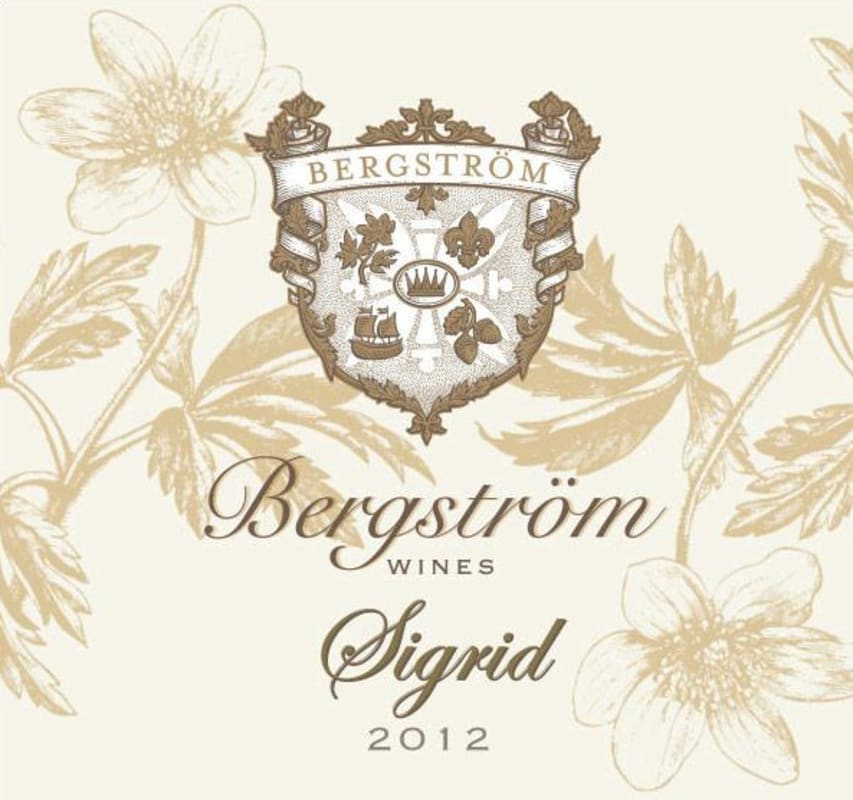

Winemaker Notes
Professional Ratings
-
Vinous
Lively yet rich in the glass, the 2012 Chardonnay Sigrid mixes sour melon with lemon zest, nuances of whole butter and confectionery spice. The palate is seamless, with juicy acidity that pulses ripe orchard fruits across the palate as a hint of sour citrus adds contrast toward the close. This tapers off with teeth-chattering tension, long and energetic, leaving a vivid green apple crunchiness to linger.
-
Jeb Dunnuck
Tasted from magnum at the winery, the 2012 Chardonnay Sigrid is striking in its freshness and youthful feel. Notes of lemon custard, candied green apples, crème brûlée, and salty earth unfold from the glass, with hints of fresh hazelnut the only indicators of its age. Still vibrant and elegant, with refreshing acidity, this full-bodied Chardonnay easily has another decade ahead but is stunning today.



Bergstrom Wines is a family-owned and operated artisan producer of Pinot Noir and Chardonnay which was started in 1999 by Dr. John and Karen Bergstrom, with the help of their son Josh Bergstrom and his wife Caroline. Josh is general manager, vineyard manager and winemaker and pulls his expertise from his education in Burgundy, France and his 14 years experience making wines in Oregon's Northern Willamette Valley. Bergstrom focuses on hand-crafting small lots of wines from their fice estate vineyards carefully chosen from fice of Oregon's six wine-growing appellations. All estate acreage is farmed biodynamically and all wines express the wonderful diversity of Oregon's many great terroirs.
Bergström Wines consists of five estate vineyards totaling 84 acres that span across four of the Willamette Valley’s best appellations: The Bergström Vineyard, Silice Vineyard, Winery Block, Gregory Ranch and Le Pré du Col. Each estate vineyard is farmed without the use of harsh chemicals, systemic or fertilizers, and the winery produces approximately 10,000 cases of ultra-premium and extremely sought-after wine each year, including two Chardonnays and nine different Pinot Noirs.

One of the most popular and versatile white wine grapes, Chardonnay offers a wide range of flavors and styles depending on where it is grown and how it is made. While it tends to flourish in most environments, Chardonnay from its Burgundian homeland produces some of the most remarkable and longest lived examples. California produces both oaky, buttery styles and leaner, European-inspired wines. Somm Secret—The Burgundian subregion of Chablis, while typically using older oak barrels, produces a bright style similar to the unoaked style. Anyone who doesn't like oaky Chardonnay would likely enjoy Chablis.

One of Pinot Noir's most successful New World outposts, the Willamette Valley is the largest and most important AVA in Oregon. With a continental climate moderated by the influence of the Pacific Ocean, it is perfect for cool-climate viticulture and the production of elegant wines.
Mountain ranges bordering three sides of the valley, particularly the Chehalem Mountains, provide the option for higher-elevation vineyard sites.
The valley's three prominent soil types (volcanic, sedimentary and silty, loess) make it unique and create significant differences in wine styles among its vineyards and sub-AVAs. The iron-rich, basalt-based, Jory volcanic soils found commonly in the Dundee Hills are rich in clay and hold water well; the chalky, sedimentary soils of Ribbon Ridge, Yamhill-Carlton and McMinnville encourage complex root systems as vines struggle to search for water and minerals. In the most southern stretch of the Willamette, the Eola-Amity Hills sub-AVA soils are mixed, shallow and well-drained. The Hills' close proximity to the Van Duzer Corridor (which became its own appellation as of 2019) also creates grapes with great concentration and firm acidity, leading to wines that perfectly express both power and grace.
Though Pinot noir enjoys the limelight here, Pinot Gris, Pinot Blanc and Chardonnay also thrive in the Willamette. Increasing curiosity has risen recently in the potential of others like Grüner Veltliner, Chenin Blanc and Gamay.