


Winemaker Notes
Professional Ratings
-
Robert Parker's Wine Advocate
Lastly, the 2013 Merlot is a beauty. Rich, concentrated, fleshy and fat, this wine from their own vineyard displays plenty of berry fruit, judicious use of toasty oak and a long finish. This is sexy, plump and succulent. Drink it over the next decade or more.
-
Wilfred Wong of Wine.com
The 2013 Barnett Vineyards Merlot is an excellent example of the grape variety. The wine shows distinct red fruits and dried herbs. It's perky finish pairs it well with pan-seared lamb chops. Drinks nicely now. (Tasted: February 19, 2016, Rutherford, CA)
-
Wine Spectator
Opens with silky details, leading to a complex core that emerges slowly. Aromas of red currant and mocha accent layered flavors of cherry, fresh anise and mineral. The tannins ease in on the finish. Drink now through 2023. 975 cases made.

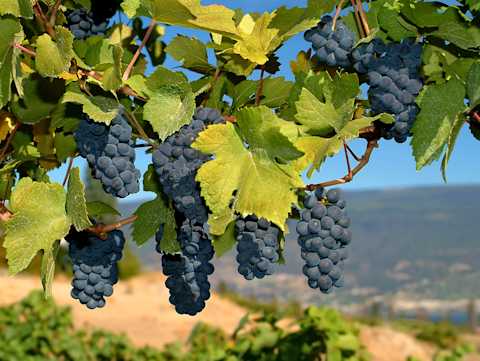
With generous fruit and supple tannins, Merlot is made in a range of styles from everyday-drinking to world-renowned and age-worthy. Merlot is the dominant variety in the wines from Bordeaux’s Right Bank regions of St. Emilion and Pomerol, where it is often blended with Cabernet Franc to spectacular result. Merlot also frequently shines on its own, particularly in California’s Napa Valley. Somm Secret—As much as Miles derided the variety in the 2004 film, Sideways, his prized 1961 Château Cheval Blanc is actually a blend of Merlot and Cabernet Franc.
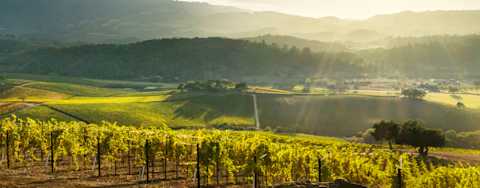
Above the town of St. Helena on the eastern slopes of the Mayacamas Mountains sits the Spring Mountain District.
A dynamic region, its vineyards, cut by numerous springs and streams, vary in elevation, slope and aspect. Soils differ throughout with over 20 distinct types inside of the 8,600 acres that define the appellation. Within that area, only about 1,000 are planted to vineyards. Predominantly farmed by small, independent producers, the region currently has just over 30 wineries.
During the growing season, late afternoon Pacific Ocean breezes reach the Spring Mountain vineyards, which sit at between 400 and 1,200 feet. Daytime temperatures during mid summer and early fall remain slightly cooler than those of the valley floor.
Spring Mountain soils—volcanic matter and sedimentary rock—create intense but balanced reds with lush and delicate tannins. The area excels with Bordeaux varieties such as Cabernet Sauvignon, Cabernet Franc and Merlot and in some cooler spots, Chardonnay.