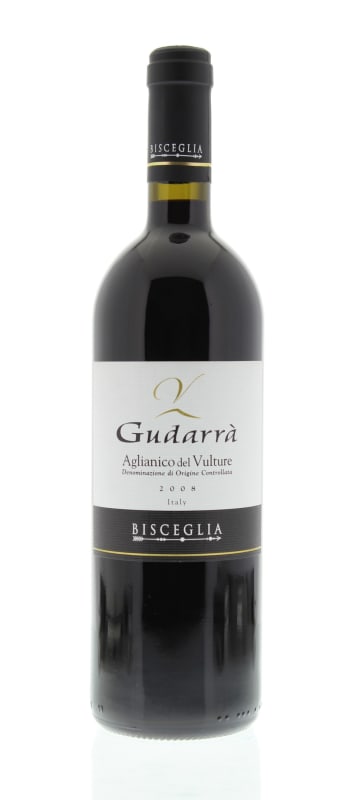


Winemaker Notes
This is an accessible, versatile red that pairs beautifully with southern Italian Pasta dishes, lamb, grilled or roasted game and ripe, flavorful cheeses.
Professional Ratings
-
Wine Spectator
Ripe plum, cranberry, pressed violet, tobacco and damp soil aromas lead the nose, along with a whiff of clove. The round, polished palate offers dried black cherry, prune, raspberry jam and licorice notes, alongside smooth tannins. It’s already extremely approachable, so drink soon.

Italian Red Wine
While picturesque hillsides, endless coastlines and a favorable climate serve to unify the grape-growing culture of this country. The apparent never-ending world of indigenous grape varieties gives Italy an unexampled charm and allure for its red wines. From the steep inclines of the Alps to the sprawling, warm, coastal plains of the south, red grape varieties thrive throughout.
The kings of Italy, wines like Barolo and Barbaresco (made of Nebbiolo), and Chianti and Brunello di Montalcino (made of Sangiovese), as well as Amarone (mostly Corvina), play center stage for the most lauded, collected and cellar-worthy reds. Less popular but entirely deserving of as much praise are the wines made from Aglianico, Sagrantino and Nerello Mascalese.
For those accustomed to drinking New World reds, the south is the place to start. Grapes like Negroamaro or Primitvo from Puglia and Nero d’Avola from Sicily make soft, ammicable, full-bodied, fruit-dominant wines. Curious palates should be on the lookout for Cannonau (Grenache), Lagrein, Teroldego, Ruché, Freisa, Cesanese, Schiopettino, Rossese and Gaglioppo to name a few.