

Winemaker Notes
Professional Ratings
-
Robert Parker's Wine Advocate
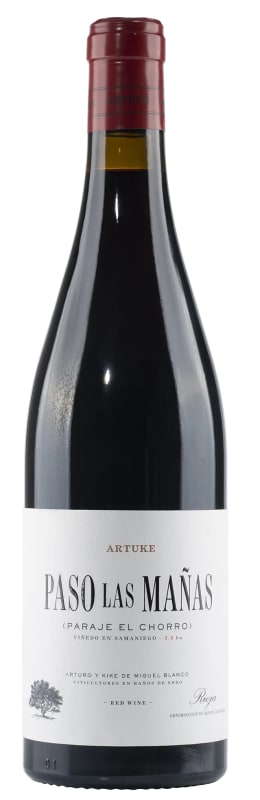
The 2023 Paso Las Mañas, reminiscent of the 2021 more than the 2022, now carries the name of the lieu-dit, El Chorro, in the village of Samaniego where the vineyard is at 700 meters above sea level below the Sierra Cantabria. The 3.9-hectare plot was planted in 1990 and 2013 on limestone and rocky soils. The Tempranillo grapes fermented with indigenous yeasts, and the wine matured in 3,500-liter oak foudre for 12 months. It has a subtle and complex nose redolent of raspberries and dark cherries, with spices and herbs. It has a moderate 13.6% alcohol, a pH of 3.38, very good balance and elegant and fine tannins. All of these 2023s have a serious and somewhat austere profile and are balanced and elegant.
-
James Suckling
Dark cherries with a balsamic edge, minerals and spices. A touch of violets too. Quite juicy and peppery on the palate with medium to full body and fresh, fine-grained tannins. Crunchy, long and tightly wound. From a 3.9-hectare parcel planted in 2013. 100% tempranillo. Drink from 2026.
-
Vinous
The 2023 Paso Las Mañas originates from Paraje Los Chorros in Samaniego, Rioja. It opens with violet and herbal aromas, red fruit and pink grapefruit. Juicy and textured on the tongue with chalky tannins and an enveloping mouthfeel, this delivers flavor without weight, making it a sleek, fragrant red with vigor and clarity.


Hailed as the star red variety in Spain’s most celebrated wine region, Tempranillo from Rioja, or simply labeled, “Rioja,” produces elegant wines with complex notes of red and black fruit, crushed rock, leather, toast and tobacco, whose best examples are fully capable of decades of improvement in the cellar.
Rioja wines are typically a blend of fruit from its three sub-regions: Rioja Alta, Rioja Alavesa and Rioja Oriental, although specific sub-region (zonas), village (municipios) and vineyard (viñedo singular) wines can now be labeled. Rioja Alta and Alavesa, at the highest elevations, are considered to be the source of the brightest, most elegant fruit, while grapes from the warmer and drier, Rioja Oriental, produce wines with deep color, great body and richness.