

Winemaker Notes
Professional Ratings
-
Wine & Spirits
This is a biodynamically grown loureiro, allowed some skin contact before settling in stainless-steel tanks, then fermented in a combination of those tanks and barrels, some French oak, some chestnut. If you like pale, salty, stony whites, you could spend some time just smelling this wine. The follow-through is more subdued, still youthful, a relatively broad and sturdy Vinho Verde hinting at mineral notes and quiet peach flavors. Pour it alongside nettle pasta tossed with pine nuts and lemon zest.

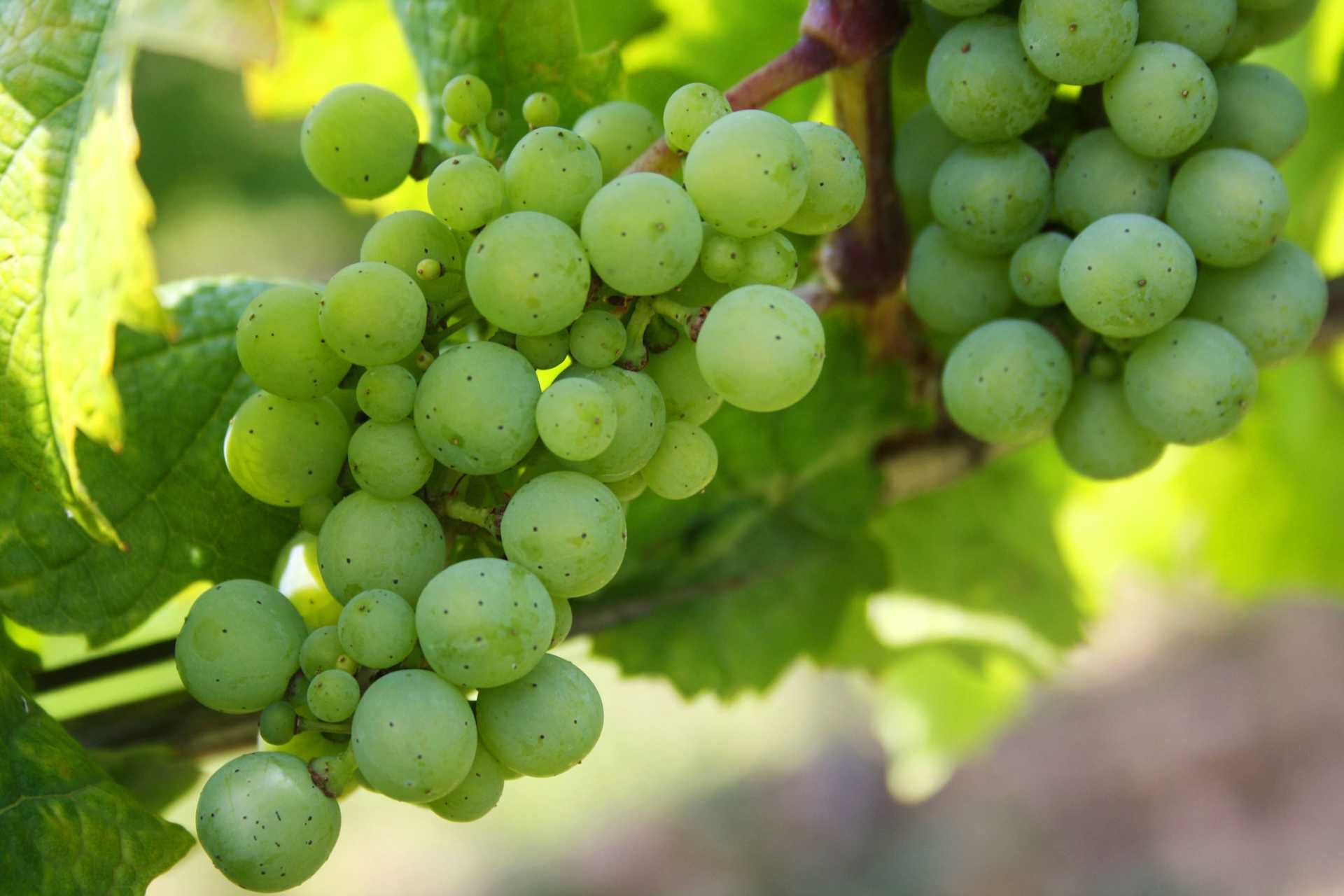
With hundreds of white grape varieties to choose from, winemakers have the freedom to create a virtually endless assortment of blended white wines. In many European regions, strict laws are in place determining the set of varieties that may be used in white wine blends, but in the New World, experimentation is permitted and encouraged. Blending can be utilized to enhance balance or create complexity, lending different layers of flavors and aromas. For example, a variety that creates a soft and full-bodied white wine blend, like Chardonnay, would do well combined with one that is more fragrant and naturally high in acidity. Sometimes small amounts of a particular variety are added to boost color or aromatics. Blending can take place before or after fermentation, with the latter, more popular option giving more control to the winemaker over the final qualities of the wine.

A cheerful, translucid, lemon-yellow and slightly pétillant white wine, Vinho Verde literally means ‘green wine’ and is named after the northwest Portugese region from which it originates. The ‘green’ in the name refers to the youthful state in which the wines are customarily released and consumed, not the color of the wine.
It is typically a blend of various percentages of Alvarinho, Loureiro, Trajadura, and Pedernã (Arinto). Following initial alcoholic fermentation, a natural, secondary malolactic conversion in cask produces carbon dioxide, giving Vinho Verde its charmingly light sparkle.