


Winemaker Notes
The fruit for this Chardonnay is grown in vineyards between the Russian River and the Sonoma Coast. The coastal influence provides the right balance of acidity, texture, softness, and length. Fruit is harvested by hand at night and is immediately taken to the winery for gentle pressing. The juice is transferred to both neutral barrels and new barrels after settling overnight to start its fermentation. The wine is then aged in neutral barrels and stainless steel tanks for 11 months before going to bottle.
Professional Ratings
-
Wine Enthusiast
The nose of this wine leads with aromas of fresh nectarine, citrus blossom, Meyer lemon, and chopped herbs. The palate displays nice phenolic grip and punchy acidity framing flavors of tart pineapple, beeswax, lemon verbena, and white flowers across a richly textured finish.
-
Wine Spectator
Bright, fresh and lemony up front, with notes of lemon confit and lemon curd, plus details of lemon oil and lemon balm. Crisp and fresh, but with a touch of smooth, custardy body on the frame. Shows accents of peppery white flowers and dried ginger, along with fresh apricot and papaya on the finish, where the intensity cranks up.
-
Wilfred Wong of Wine.com
The 2024 Cattleya Chardonnay shows a light straw color; lovely ripe apples and peach fuzz in the aromas; medium-bodied, juicy and nicely persistent on the palate; a biting peach flesh note carries through to an active finish. Pair with butter-poached lobster finished with a delicate tarragon beurre blanc—the wine’s ripe orchard fruit and lively acidity cut through the richness, while its persistence mirrors the dish’s luxurious texture, creating a seamless, elegant interplay.
-
Jeb Dunnuck
A straw hue, the 2024 Chardonnay offers notes of hay, poached yellow apples, and vanilla, a creamy texture, vibrant acidity, salinity, and a silky clean finish. Great and approachable, it checks a lot of boxes.


One of the most popular and versatile white wine grapes, Chardonnay offers a wide range of flavors and styles depending on where it is grown and how it is made. While it tends to flourish in most environments, Chardonnay from its Burgundian homeland produces some of the most remarkable and longest lived examples. California produces both oaky, buttery styles and leaner, European-inspired wines. Somm Secret—The Burgundian subregion of Chablis, while typically using older oak barrels, produces a bright style similar to the unoaked style. Anyone who doesn't like oaky Chardonnay would likely enjoy Chablis.
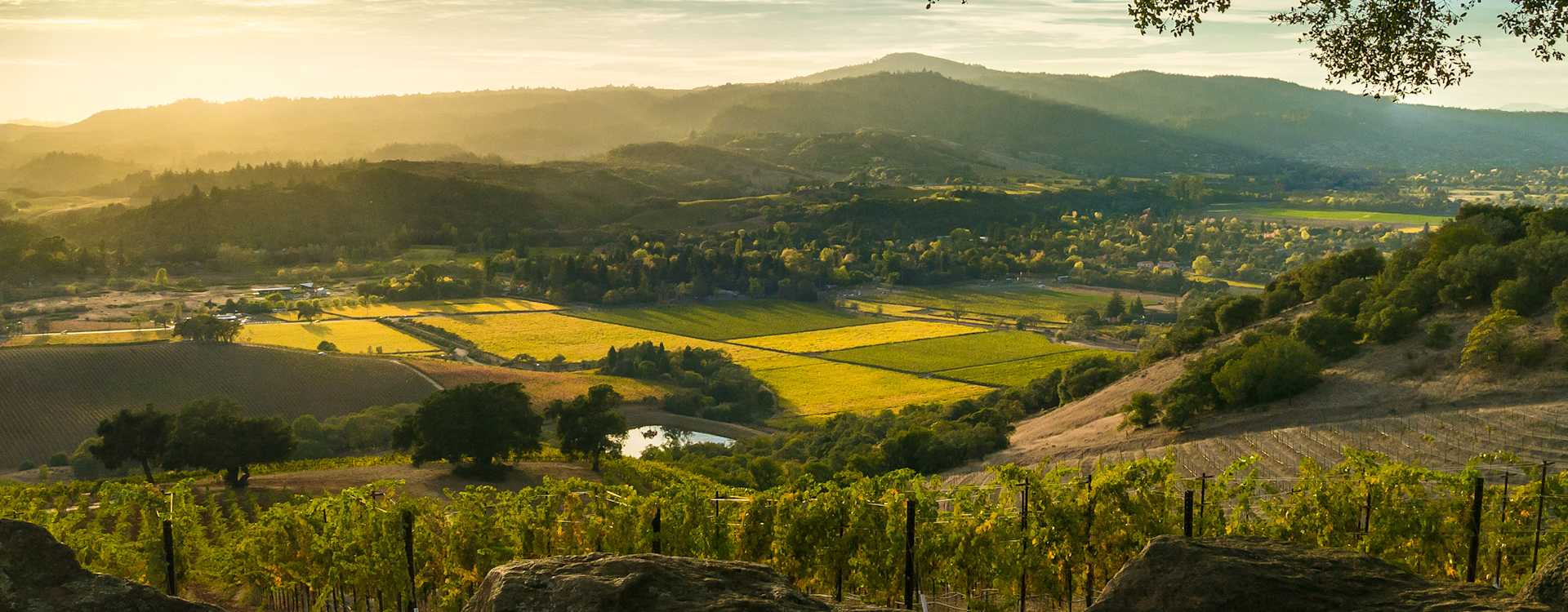
Home to a diverse array of smaller AVAs with varied microclimates and soil types, Sonoma County has something for every wine lover. Physically twice as large as Napa Valley, the region only produces about half the amount of wine but boasts both tremendous quality and variety. With its laid-back atmosphere and down-to-earth attitude, the wineries of Sonoma are appreciated by wine tourists for their friendliness and approachability. The entire county intends to become a 100% sustainable winegrowing region by 2019.
Sonoma County wines are produced with carefully selected grape varieties to reflect the best attributes of their sites—Dry Creek Valley’s consistent sunshine is ideal for Zinfandel, while the warm Alexander Valley is responsible for rich, voluptuous red wines like Cabernet Sauvignon. Chardonnay and Pinot Noir are important throughout the county, most notably in the cooler AVAs of Russian River, Sonoma Coast and Carneros. Sauvignon Blanc, Merlot and Syrah have also found a firm footing here.