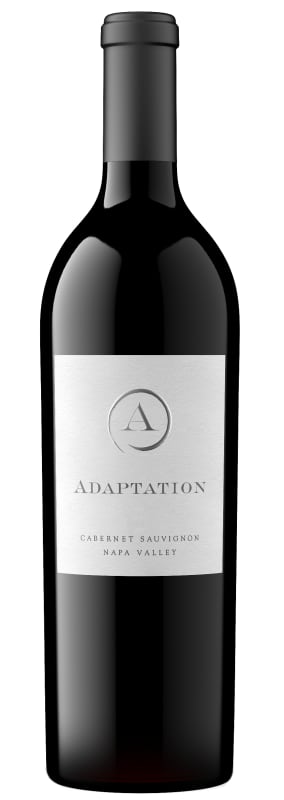


Winemaker Notes
Blend: 77% Cabernet Sauvignon, 17% Merlot, 5% Petite Sirah, 1% Cabernet Franc
Professional Ratings
-
Jeb Dunnuck
Coming from a mix of appellations including Pope Valley, St. Helena, Rutherford, Oakville, Stags Leap District, Oak Knoll, and Carneros, the 2022 Cabernet Sauvignon Adaptation is based on 77% Cabernet Sauvignon, 17% Merlot, 5% Petite Sirah, and 1% Cabernet Franc that was brought up 18 months in 55% new French oak barrels. Red and black plums, sappy herbs, tobacco, exotic incense, and floral notes all shine here, and it's medium to full-bodied, with a ripe, round, layered mouthfeel, sweet tannins, and a great finish. This pleasure-bent, balanced, impeccably made Cabernet Sauvignon will be best enjoyed over the coming decade. Drink 2025-2035.
-
Robert Parker's Wine Advocate
A blend of 77% Cabernet Sauvignon, 17% Merlot, 5% Petite Sirah and 1% Cabernet Franc from the team behind Odette, the 2022 Cabernet Sauvignon Oso delivers immediate pleasure in the form of redcurrants, scorched pencil shavings and crushed herbs, from sage to rosemary and maybe even a hint of lavender. It's medium- to full-bodied, supple and rounded in the mouth, finishing with soft tannins.
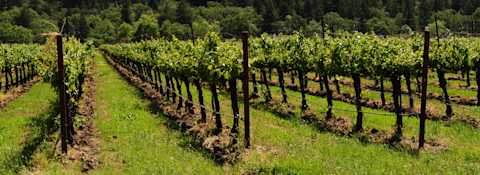
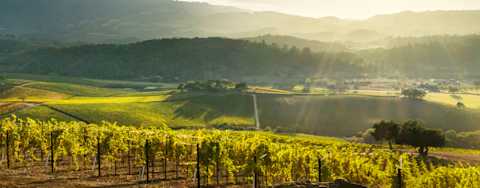
One of the most prestigious wines of the world capable of great power and grace, Napa Valley Cabernet is a leading force in the world of fine, famous, collectible red wine. Today the Napa Valley and Cabernet Sauvignon are so intrinsically linked that it is difficult to discuss one without the other. But it wasn’t until the 1970s that this marriage came to light; sudden international recognition rained upon Napa with the victory of the Stag’s Leap Wine Cellars 1973 Cabernet Sauvignon in the 1976 Judgement of Paris.
Cabernet Sauvignon undoubtedly dominates Napa Valley today, covering half of the land under vine, commanding the highest prices per ton and earning the most critical acclaim. Cabernet Sauvignon’s structure, acidity, capacity to thrive in multiple environs and ability to express nuances of vintage make it perfect for Napa Valley where incredible soil and geographical diversity are found and the climate is perfect for grape growing. Within the Napa Valley lie many smaller sub-AVAs that express specific characteristics based on situation, slope and soil—as a perfect example, Rutherford’s famous dust or Stags Leap District's tart cherry flavors.