The Beyond-California Reds Guide for Cabernet Lovers
A California red palate comes down to a few clear tastes: ripe dark fruit, plush tannin, and a generous frame of oak. Those same qualities turn up in reds from Argentina, Australia, Spain, France, and Italy, often for less money. If you love a good Napa Cabernet, the wine world has a lot more to pour your way.
The California Red Palate At A Glance
Pour a glass of Napa Cabernet and fruit hits first: blackberry, cassis, and dark plum, ripened by long warm days. That warm-climate ripeness is the heart of the California style. It gives the wine bold, sun-soaked fruit and a tannin that feels soft and round rather than sharp.
Oak does the rest of the work. Time in barrel layers in vanilla, baking spice, and a light toast that makes the wine taste rich and polished. These are the four markers to remember: ripe fruit, weight, round tannin, and oak.
There is one more piece worth knowing. Most premium Napa Cabernets include 5–15% Merlot, Cabernet Franc, Petit Verdot, or Malbec. Those supporting grapes are not filler. Merlot rounds out the mid-palate and softens the edges, while grapes like Petit Verdot add color and firm up the backbone. The result tastes seamless, and that same blending logic shows up in the best reds around the world. Once you know the recipe, it becomes easy to spot the family resemblance in a bottle from Mendoza, Rioja, or the Médoc. That same warm-climate ripeness is what makes so many faraway reds feel familiar to a Cabernet drinker.
Where To Look Beyond California
The California red style is really a warm-climate style: bold, ripe, and softened by sun. Plenty of other regions farm in that same kind of heat and reach for the same rich profile. Five of them are the natural next stops for a Cabernet lover.
1. Argentina: Malbec
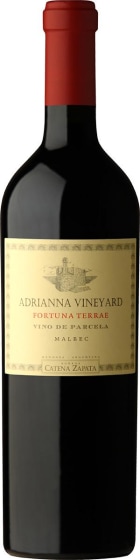
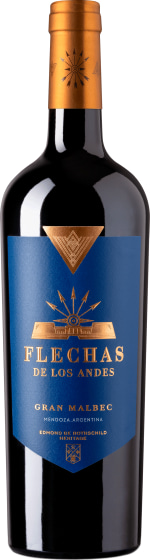
If you reach for a bold Napa Cabernet or a jammy Zinfandel, Malbec is the easiest first step beyond California. Grown high in the Andes, the grape also answers to Côt in parts of France. It pours dark, generous reds built on black plum and cocoa, with a tannin that feels velvety instead of grippy. The best part is the math: Argentina delivers Napa-style richness for a good deal less. High-altitude vineyards keep the fruit fresh even as it ripens, so the wine stays lively rather than heavy. It is the bottle to open when you want a crowd-pleaser that never feels thin.
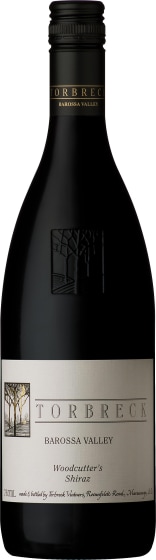
Cali-red drinkers who love power and spice will feel right at home with Australian Shiraz, the same grape France calls Syrah. Warm regions push it toward ripe, brambly, peppery reds with a meaty edge. It lands the same big, mouth-filling weight as a rich Zinfandel, just with more black-pepper snap on the finish. Cooler Australian sites can dial the ripeness back a notch, which gives you a little more freshness without losing the muscle. Pour it with anything off the grill and it holds its own.
Barossa Valley, Barossa, South Australia, Australia ● Syrah/Shiraz
97 James Suckling
92 Wine Spectator
Sold Out - was $123.00
3. Spain: Rioja And Ribera Del Duero
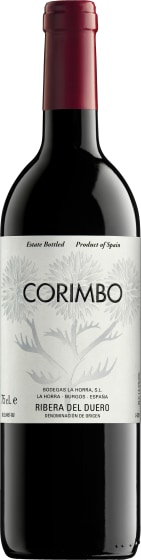
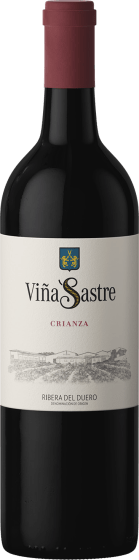
Spain's answer for Cabernet fans is Tempranillo, the grape behind Rioja and Ribera del Duero, where it also goes by Tinta del País and Tinto Fino. It builds structured reds around cherry, leather, and a savory, earthy note, with fresh acidity that keeps everything lively. The tannin is firm but a touch softer than Cabernet, and the value here is hard to beat. Rioja tends to show a smoother, oak-touched side, while Ribera del Duero pushes darker and more powerful. Either one rewards a slow dinner as easily as a casual weeknight pour.
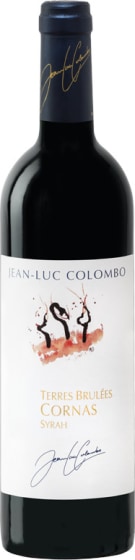
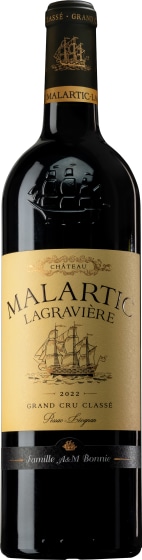
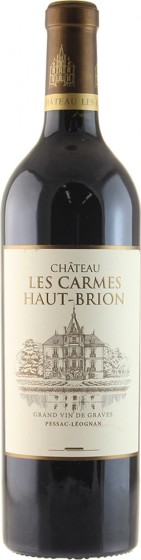
France asks a Cabernet lover to trade a little ripeness for polish. In the Northern Rhône, Syrah turns tighter and more mineral, its dark fruit framed by smoke. Over in Bordeaux, the link is even more direct: Left Bank blends typically run 60–80% Cabernet Sauvignon with the balance in supporting varieties, so a Cab drinker is already standing on home ground. The Right Bank leans on more affordable Merlot and Cabernet Franc, an easier, rounder entry into French reds. Pour these on a night when finesse matters more than sheer power.
Pessac-Leognan, Bordeaux, France ● Bordeaux Red Blends
99 Jeb Dunnuck
97 James Suckling
96 Decanter
95 Vinous
95 Wine Enthusiast
93 Wine Spectator
92 Robert Parker
Sold Out - was $56.00
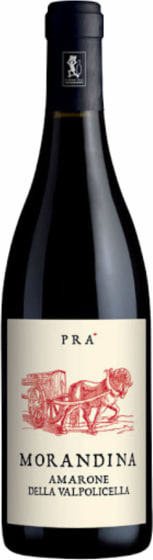
5. Italy: Amarone And Primitivo
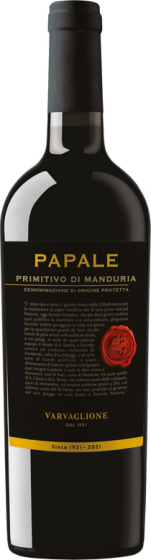
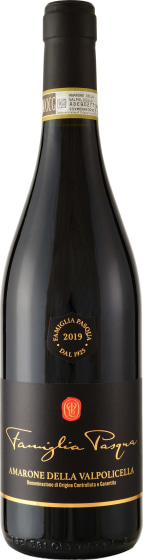
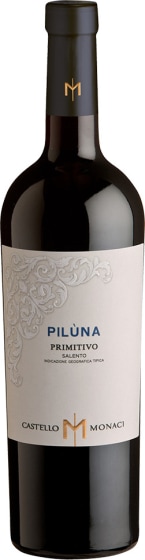
Italy offers two very different routes for the California palate. Primitivo, from the heel of the country, is the same grape as Zinfandel, and it drinks like a sun-baked cousin: jammy, warm, and generous. Amarone takes the other path, drying its grapes before pressing to build a powerful red loaded with dried cherry, fig, and chocolate. That drying step concentrates everything, so the wine drinks big and slightly sweet-edged even when it finishes dry. Between the two, you can match almost any mood at the table.
Each of these regions maps back to a taste you already know. Match what you love in a California red to its closest cousin abroad.
If You Love Big Napa Cabernet: reach for Argentine Malbec, where mountain fruit brings the same weight with a rounder, gentler finish
If You Love Zinfandel: reach for Italian Primitivo or a ripe Australian red, both built on the same sweet-fruited, full-bodied core
If You Love Cabernet's Structure: reach for Spanish Tempranillo, which trades a bit of grip for bright acidity and a savory lift
If You Love Polished, Age-Worthy Reds: reach for the Northern Rhône or a classed Bordeaux, where firm tannin comes wrapped in real finesse
If You Love Rich, Full-Throttle Reds: reach for Amarone, a dry wine with remarkable density and a warming, almost port-like depth
Beyond-California Reds At Every Price
A $60 Napa Cabernet and a $20 Argentine Malbec can deliver a similar rush of ripe fruit and plush texture. The gap in price usually comes down to younger vines, higher yields per acre, and cheaper land far from Napa. That simple math is why exploring beyond California stretches your budget so far.
1. Everyday Exploring (Under $25)
The under-$25 shelf is where curiosity pays off fastest. Large Mendoza producers like Trapiche farm at scale, which keeps prices low without giving up the ripe, easy-drinking character Cabernet fans want. Italy's south delivers the same everyday value in soft, fruit-forward reds you can open on any weeknight. At this price you are not buying age-worthiness, and that is fine, because these bottles are made to drink young and happy. It is the tier for trying a new country without overthinking the choice.
Spend a little more and the wines gain polish. Historic Rioja houses like Marqués de Riscal age their reds in oak before release, which smooths the tannin and adds layers of spice and depth. In this range you also find serious Ribera del Duero and Australian bottles that drink well above their cost. The extra money buys better fruit, longer barrel time, and a finish that lingers instead of dropping off. This is the sweet spot for a dinner-party red that feels like a real step up.
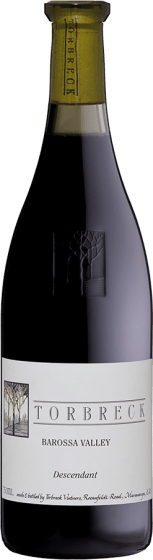
Barossa Valley, Barossa, South Australia, Australia ● Syrah/Shiraz
95 Wine Enthusiast
94 Wine Spectator
Sold Out - was $57.00
3. Special-Occasion Bottles ($60+)
At the top tier you are paying for pedigree and patience. Bordeaux's Left Bank estates, such as Château Latour, make wines built to reward years in the cellar. Top Barolo and Brunello typically need 10–15 years to soften their structural tannins, so buy these to lay down rather than open tonight. The reward for waiting is a wine that keeps unfolding new flavors for a decade or more. If you want to drink one soon, decant it well ahead and pair it with a rich, slow-cooked meal.
Bold reds want food with matching weight. Pair by style rather than by a single label, and let the wine's richness meet something just as generous on the plate.
Grilled Steak and Chops: bold, tannic reds like Malbec and Cabernet-based blends stand up to charred, fatty cuts
Braised and Slow-Cooked Meats: savory Tempranillo and Shiraz echo the deep flavors that build during a long braise
Hard, Aged Cheeses: Amarone and aged cheese share the same big, concentrated intensity, which is exactly why the salty-nutty match works
Tomato Pasta and Pizza: Primitivo's ripe fruit and easy acidity keep pace with garlic, herbs, and tomato
Match weight for weight and give the wine room to breathe. Save your special-occasion bottles for meals worth the wait, since those reds often need a few years in the cellar, or at least an hour open, to show their best.
Beyond-California Red Questions, Answered
Which red grape tastes closest to California Cabernet?
For sheer plush fruit and soft texture, Argentine Malbec is the closest cousin. It gives you the ripe, generous feel of a Napa Cabernet with a little less grip. If you care more about structure and firm tannin, Spanish Tempranillo or a Left Bank Bordeaux blend will feel more familiar. Both routes deliver the bold, dark-fruited core that Cabernet lovers chase.
Do I have to spend more to explore reds beyond California?
Usually the opposite is true. Regions like Mendoza and Ribera del Duero often cost less than Napa for wines of similar richness. Younger vines, higher yields, and cheaper land keep the prices down without thinning out the flavor. You can trade up when you want to, but you do not have to in order to start.
If I love Zinfandel, what should I try from another country?
Start with Italian Primitivo, since it is genetically the same grape as Zinfandel. It gives you that sweet, jammy, full-bodied style under a different name. Australian Shiraz is another strong match when you want the same big fruit with a peppery kick. Both feel instantly recognizable to a Zinfandel fan.
Are these wines easy to find and have shipped?
Yes. All of these regions are well represented and ship right to your door. You can browse Malbec, Shiraz, Tempranillo, and more in one place and compare them side by side. Wine.com keeps all of these regions well stocked and shipping right to your door.
Where To Start With Beyond-California Reds
Keep three moves in your pocket. Malbec is the plush, low-risk entry point when you want Napa richness for less money. Tempranillo is your value play for structured, savory reds, and Bordeaux is the bottle to reach for when the occasion calls for something serious.
The range out there is enormous. Wine.com carries more than 16,000 wines from every major region, which makes it easy to set an Argentine Malbec next to a Spanish Tempranillo and taste the difference for yourself.