Wine Trends, Explained: What's Growing and Worth Buying in 2025
Premium bottles above $20 keep gaining share of the U.S. market even as overall wine volume slips. For a collector, that divergence is a signal worth reading, not a headline to skim. Some of 2025's shifts point to durable, investment-grade demand, while others are consumer fads that will fade by next summer.
Why the 2025 Wine Trends Are Worth Knowing
The demand base for wine is changing shape. Younger drinkers buy less by volume but spend more per bottle when they commit, which pushes producers toward smaller, higher-quality lots instead of high-volume blends. That single behavioral shift explains most of what looks chaotic on the surface of the 2025 market.
Premiumization is the durable story underneath. Trading up has held through several economic cycles, and it concentrates spending on wines with real provenance and aging potential. For a buyer, the growth is landing in exactly the categories where scarcity already matters most.
Moderation and wellness are reshaping the base at the same time. People who drink less often tend to make each bottle count, which rewards producers who farm carefully and age their wines patiently. Lower overall volume does not soften demand at the top of the market: it sharpens it.
For the collector, the practical translation is about timing. When demand concentrates on a limited set of producers, allocations tighten and futures pricing moves earlier in the cycle. Read each trend as a supply signal first, and the buying decision usually follows on its own.
A style that trends on social media can fade in a season. A style that trends because supply is structurally short tends to hold its value.
The Wine Trends Defining 2025
The trends below are ordered roughly by how much market momentum sits behind them. Each one maps to a browsable category, and each carries a different weight for a buyer weighing durability against novelty.
1. White and Sparkling Wines Take Center Stage
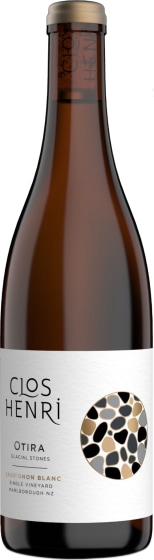
White and sparkling wines are taking share from reds, and the momentum is broad rather than tied to a single grape. Sauvignon Blanc is a clear beneficiary, prized for its high acidity and immediate appeal at the table. White blends and aromatic whites are gaining too, which tells you the shift is about a style of drinking, not one variety. For a buyer, category-wide demand tends to firm up pricing across the board.
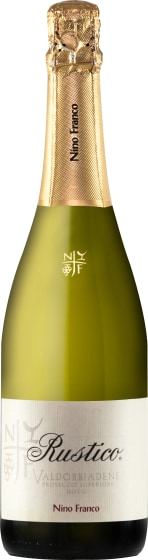
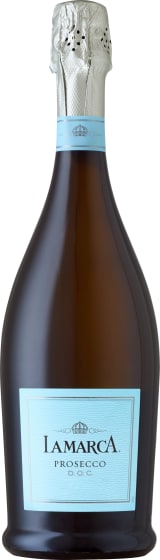
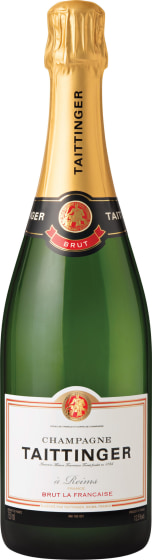
Sparkling has widened far past Champagne. The traditional method, once called the champagne method, is now used worldwide, with Spanish Cava as the most prodigious example and Italian Prosecco carrying the everyday volume. Demand here reads as durable rather than seasonal, since sparkling has quietly become an any-occasion pour. That steadiness is what makes the category worth a buyer's attention.
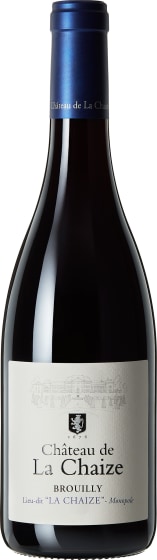
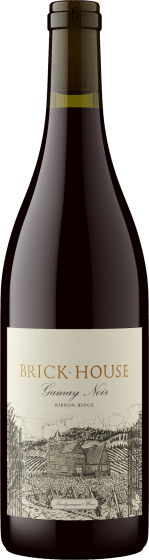
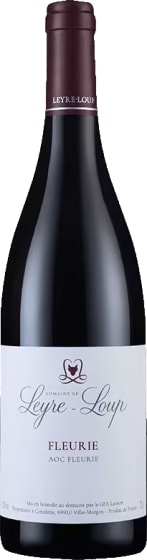
Lighter-bodied reds served with a slight chill have moved from wine-bar novelty to steady, repeatable demand. Gamay, often labeled Gamay Noir on the bottle, is the grape behind Beaujolais and leads the category with its bright fruit and low tannin. Buyers are chasing lower alcohol and freshness, and these wines deliver both.
The signal is a preference shift toward drinkability over sheer weight. These reds rarely need cellaring, so they trade on immediate appeal rather than scarcity. That makes the category a demand story to follow, not a value play to stockpile.
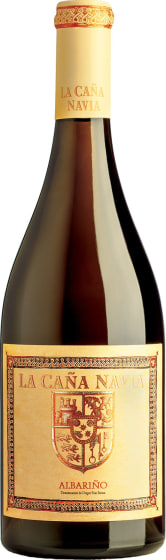
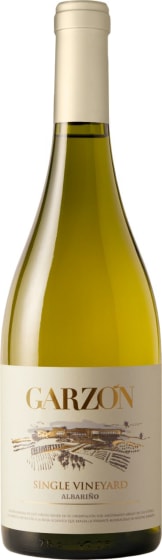
The clearest value in 2025 sits in emerging regions the market has not fully priced. Albariño, known as Alvarinho in Portugal and a mainstay of vinho verde, comes from Rías Baixas in Galicia, in northwest Spain. It brings high acidity and citrus, rarely sees oak, and pairs naturally with seafood. Quality like that at current prices is exactly the kind of gap collectors look for.
South America is the other region to watch, with Uruguay quietly making serious whites from the same variety. Volcanic-soil wines are drawing collector attention for their tension and length, and the best examples remain underpriced. The window to buy before allocations tighten and prices catch up is open now, but it will not stay open forever.
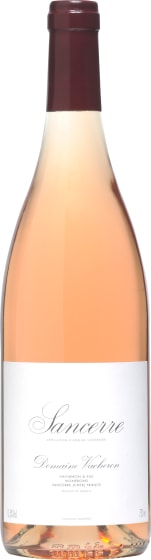
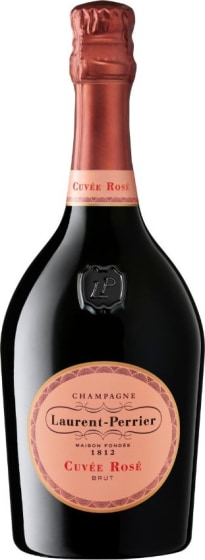
Rosé has outgrown its poolside reputation. A serious tier has emerged, led by Provence rosé, where structured, age-capable wines justify a real premium. These bottles are built to develop over a few years, not to finish in a single afternoon.
The signal for a buyer is premiumization inside a category once treated as disposable. As demand moves upmarket, back-vintage examples start to gain value the way other age-worthy wines do. For a collector, that reframes premium rosé as a cellar candidate rather than a seasonal buy.
Sustainable, organic, and regenerative farming has shifted from a marketing badge to a quality question. What matters for a buyer is whether the farming shows in the glass, and increasingly it does. Careful vineyard work tends to yield wines with more clarity and sharper site character.
Certification affects value, not only ethics. As demand for cleanly farmed wine climbs, producers who committed early hold an edge that is hard to copy on short notice. That scarcity of credible, long-farmed sources is the part worth tracking as the category matures.
Single-vineyard bottlings yield only 1–2 tons of fruit per acre, against 4–6 for regional blends, and that gap is where most price differences begin. The tiers below sort 2025's trends by what you can expect to spend and why each level costs what it does.
1. Everyday Trend-Driven Bottles (Entry Tier)
Entry-tier trend bottles generally sit under $25, and the price holds because they are made at scale. A large Cava house like Freixenet produces bottles by the million, which spreads fixed costs thin and keeps shelf prices low. High-volume Prosecco and Lambrusco follow the same logic: wide distribution and big production, not corner-cutting, are what make them affordable.
For a buyer, this tier is about immediate value rather than cellaring. The wines deliver the trend, whether an easy sparkling or a fresh, chillable red, without asking you to wait. Buy them to open this month.
New French oak barrels run more than $1,200 each, and a producer who buys fresh barrels every vintage builds that cost straight into the bottle. In Champagne, a house like Krug ferments in small oak casks, a labor- and capital-intensive choice that shows up in both texture and price. Premium trend bottles, roughly $50 to $150, carry decisions like these in their cost.
This tier rewards patience more than the entry level does. Many premium sparkling wines and structured whites gain real complexity with a few years in bottle, so the value is partly in what develops over time. For a buyer, the math tilts toward buying now to drink later.
Cult California Cabernets often make fewer than 500 cases a year and sell almost entirely through mailing-list allocation. Screaming Eagle is the textbook case: demand vastly outstrips supply, so access itself becomes the scarce asset. At the collectible tier, above $200, you are paying for that scarcity as much as for the wine in the glass.
This is where futures matter most. Top Bordeaux estates release wine en primeur years before bottling, and buying early can lock in both price and access before the market tightens. For a collector, 2025's demand signals are a cue to reserve early rather than wait for retail shelves.
Acting on these trends comes down to serving them right and timing the purchase. The guidance below covers both.
Serving whites and sparkling: aim for about 45–50°F, roughly 15 minutes out of a cold fridge, so the aromatics open
Serving lighter reds: chill 20–30 minutes to near 55°F, which lifts the fruit and keeps them fresh
Buy now to drink now: entry and premium trend bottles built for near-term enjoyment, with no cellaring required
Reserve via futures: allocation-tier Bordeaux and cult bottlings, where buying early on release secures both price and access
Durable signal versus fad: trust categories gaining share on structural scarcity, and treat viral, supply-flush styles as short-term
Cellaring for value: premiumization lifts demand for age-worthy bottles, so buying durable categories now to drink later can capture back-vintage upside
Common Questions About Wine Trends in 2025
Which 2025 Wine Trends Are Investment-Grade Versus Fads?
Investment-grade trends share one trait: the demand behind them meets genuinely limited supply. Premium age-worthy categories, top Bordeaux, and cult California bottlings qualify because production cannot easily expand to meet interest. Fads tend to be styles that spike on social media and can be produced in volume, so any price bump fades once attention moves on. The test is supply: if a category can flood the market when demand rises, it is a fad, not a signal. Chilled reds are a real preference shift, but as a broad, high-volume category they sit closer to demand trend than scarcity play.
Which Emerging Wine Regions Should Collectors Explore in 2025?
The most promising regions are the ones the market has not fully priced. Galicia's Rías Baixas leads for whites, with Albariño offering acidity and length at prices that still lag its quality. Uruguay is worth watching for the same variety and for its structured reds. Volcanic-soil regions and Portuguese whites round out the list, each offering site character that collectors reward once word spreads. Buying before allocations tighten is the whole point.
Are Wine Prices Rising in 2025?
Prices at the top of the market are rising, driven by demand concentrating on a limited set of producers. Cost pressures add to it, from new oak to low-yield farming, both of which push production costs up at the premium and collectible tiers. The entry tier stays comparatively stable, since high-volume bottlings absorb cost increases more easily. The honest answer is that prices are rising unevenly, with the sharpest moves where supply is already short. For a buyer, that argues for acting early on scarce categories and staying patient on everyday ones.
Do 2025 Demand Shifts Affect Futures and Allocations?
Yes, and the effect is direct. When demand concentrates on the strongest producers, allocations shrink and waiting lists grow, so access gets harder even when a wine is technically available. Futures pricing responds early, which means the collector who waits for retail often pays more or misses the wine entirely. In 2025, the categories with durable demand are exactly the ones where reserving early pays off. Reading the demand signal and acting on the allocation become the same decision.
Bringing 2025's Trends Home
A few moves carry most of the value in 2025. Trade up within durable categories like premium sparkling and structured whites, track undervalued regions such as Rías Baixas and Uruguay before their prices catch up, and reserve allocation-tier Bordeaux and cult bottlings early rather than waiting for retail. Match each decision to whether you are buying to drink now or to cellar.
With more than 16,000 wines in one place, Wine.com lets you act on any of these trends without hunting across sources. Whether you are chilling a light red for tonight or reserving a Bordeaux future, the selection covers the full range 2025 has to offer.
Browse 2025's Trending Wines at Wine.com to put these signals to work, from everyday bottles to allocation-tier releases. The trends are already moving, and your cellar can move with them.