Impressing a serious wine drinker has less to do with price and more to do with choosing a bottle that reflects thought. A wine earns respect when it comes from a good source, shows real care in the making, and tastes smooth and even from start to finish. This guide covers what to spend, which styles are the safest bets, and how to present the bottle so your effort comes through.
Understanding What Impresses Serious Drinkers
A few wine words come up whenever people talk about quality, and learning them makes the whole subject feel far less intimidating. Two bottles can share the same grape and still taste worlds apart, mostly because of where the fruit grew and how carefully it was handled.
The region is simply where the grapes were grown. An appellation goes one step further: it is a named, legally protected growing area, such as Bordeaux in western France, where local rules shape how the wine is made.
The producer is the winery or estate that actually made the bottle. A wine's vintage is the year its grapes were picked, and it matters because weather shifts from one year to the next, which changes how the wine tastes.
What "Impressive" Really Means (Beyond Price)
Serious drinkers rarely care about the sticker price. What they notice is balance, which means no single part of the wine, not the fruit, the acidity, or the alcohol, stands out awkwardly from the rest. A balanced wine feels complete from the first sip to the last.
An impressive bottle usually shows a few things a knowledgeable drinker picks up on quickly. It comes from a respected source, the producer clearly cared about quality, and nothing about the wine feels forced or overdone. Spending more can help, but a well-chosen $25 bottle often earns more respect than a flashy label picked without care.
What to Spend on a Bottle That Impresses
The jump from a $25 bottle to a $100 one does not simply buy a bigger name. Each step up usually pays for older vines and more time resting in the cellar before release.
1. The Confident Everyday Pick (Around $25)
Around $25, the goal is a well-made bottle that tastes clean, fresh, and clearly cared for. Wines at this level usually come from larger vineyards and see little or no time in expensive barrels, which keeps the price friendly without hurting quality.
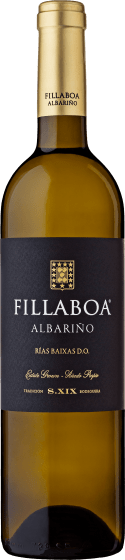
Bodegas Fillaboa, a respected estate in Spain's Rías Baixas region, shows how much quality is possible at this level. It farms its own vineyards and specializes in Albariño, a white grape prized for freshness, and that kind of careful sourcing is exactly what earns respect without a high price.
Around $50, wines start showing the polish that catches a serious drinker's attention. A big part of that jump comes from oak barrels. New oak means a fresh barrel used for the very first time, and it adds flavor and softness that older, used barrels cannot.
Aging wine in oak brings richer fruit and gentle vanilla notes, along with a broader, rounder texture, because the wine can slowly breathe through the wood. Wines aged in stainless steel tanks instead taste tighter and more compact, since no air gets in.
That quality carries a real cost. A single new French oak barrel can run $1,200 or more, and a careful producer may use many of them for one wine, which pushes the final price up.
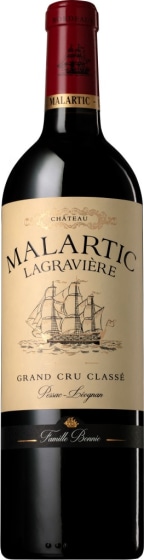
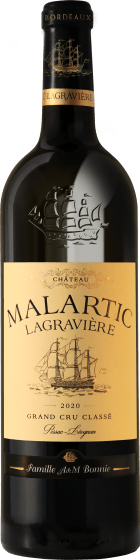
Château Malartic-Lagravière shows what this money buys. It is a respected estate in Pessac-Léognan, a well-regarded corner of the Bordeaux region, where the extra attention in the vineyard and cellar shows up clearly in the glass.
Pessac-Leognan, Bordeaux, France ● Bordeaux Red Blends
96 Wine Enthusiast
95 Jeb Dunnuck
95 James Suckling
94 Decanter
93 Robert Parker
92 Wine Spectator
Sold Out - was $60.00
3. The Special-Occasion Splurge ($100+)
At $100 and above, you are usually paying for wines built to last for decades, not just for dinner tonight. These bottles come from the most prized vineyards, are made in small amounts, and carry a track record that collectors trust.
Top Bordeaux reds are a clear example. Many need 15 to 25 years in the bottle before they reach their peak, so part of the price reflects the patience and careful storage that greatness requires.
Château Léoville-Poyferré is one such name. It is a Bordeaux Second Growth, a historic ranking of the region's finest estates that dates back well over a century, and that reputation is earned through generations of consistency.
When you do not know what will be served, the style of wine matters more than the exact bottle. A few classic styles are almost always safe bets, and each one sends its own quiet signal of good taste.
1. Sparkling: The Universal Crowd-Pleaser
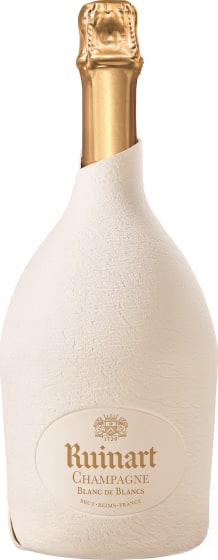
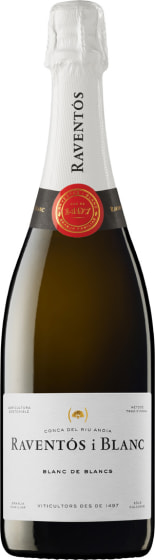
Sparkling wines are the lowest-risk way to impress, because almost everyone enjoys them and they suit nearly any occasion. The best examples are made using the traditional method, which means the bubbles form through a second fermentation inside the very bottle you buy.
This is the same painstaking process used for Champagne in France, for Spanish Cava, and for French Crémant. It takes more time and hand-work than cheaper methods, and that is exactly why a traditional-method bottle signals real care.
A well-made white wine signals taste because it pairs easily with food and rewards a careful palate. Most impressive whites are dry, meaning they have little or no sweetness, while off-dry whites carry just a touch of sugar you can taste.
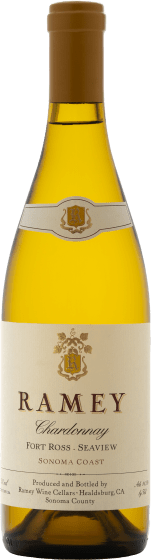
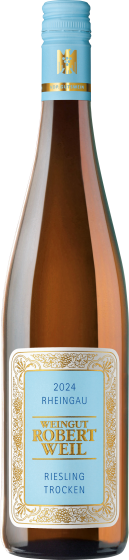
A serious white often means a good Chardonnay, the grape behind white Burgundy, or a dry Riesling from Germany. Grape names can travel, so do not be thrown when Pinot Grigio and Pinot Gris turn up on labels, because they are the same grape wearing two national names.
A structured red is the classic way to look serious at the table, especially with heartier food. The word to know here is tannin, the natural compound from grape skins that creates a slightly drying, grippy feel in your mouth, a little like strong brewed tea.
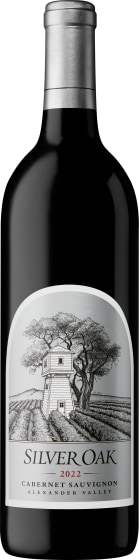
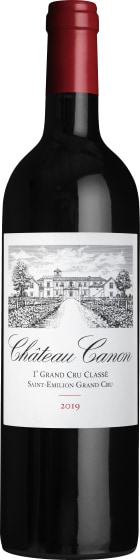
Reds from respected regions carry the most weight, whether that is a Bordeaux blend or a bold Cabernet Sauvignon from a top vineyard. Firm tannin is part of what lets these wines age and feel substantial, and knowledgeable drinkers recognize that right away.
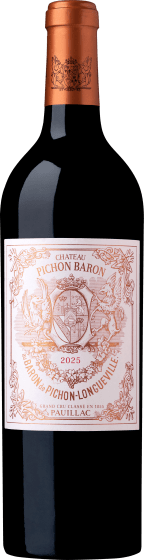
St. Emilion, Bordeaux, France ● Bordeaux Red Blends
98 Decanter
98 Jeb Dunnuck
98 Vinous
97 James Suckling
97 Robert Parker
95 Wine Spectator
Sold Out - was $160.00
Impressive Wine at the Table
How you serve a bottle can matter almost as much as which bottle you chose. A few simple habits make any wine taste better and show your guests that you put in real thought.
Temperature: Serve reds near 60 to 65°F and whites near 45 to 50°F, and pour sparkling a little cooler than still whites
Pouring: Fill each glass no more than half to two-thirds full, which lets you swirl the wine and gather its aroma
Glassware: Use clean, plain glasses with a bowl big enough to swirl, so the wine can open up and show its best
Decanting: Pour a young red into a decanter or pitcher about an hour ahead, which softens firm tannin and wakes up the aromas
The dinner scenario: If serious wine lovers are coming over, open the bottle a little early and taste it yourself before you pour for the table
What to say: Mention where the wine is from and why you chose it, then let the bottle speak for itself without overselling it
Impressive Wine Questions, Answered
A few practical questions come up again and again when you are picking a bottle to impress. Here are clear answers to the ones newcomers ask most.
Should I Bring Red or White Wine?
When you are not sure what the food will be, you do not have to guess between red and white. A dry white or a sparkling wine is the safest choice, because both flatter a wide range of dishes. If you know the meal will center on red meat or rich, hearty food, a structured red is a strong pick. When in doubt, sparkling almost never lets you down.
How Much Should I Spend to Impress?
You do not need to spend a fortune to earn respect. A well-chosen bottle around $25 often impresses more than an expensive label picked at random. If the occasion is bigger, stepping up to around $50 buys noticeably more polish. The aim is to look deliberate, not flashy, so match the spend to the moment.
How Many Bottles Should I Bring to a Dinner?
A good rule is to plan for about half a bottle per person across the evening. For a dinner of four to six guests, two to three bottles usually covers it comfortably. If you are bringing wine as a gift rather than for the table, one carefully chosen bottle is plenty. Bringing a little extra is always a kind gesture, and leftover wine is rarely a problem.
What Do I Say About the Bottle I Chose?
Keep it simple and honest. Mention where the wine comes from, such as the region or country, and name the producer if you remember it. Then add one reason you chose it, like its reputation or the way it suits the meal. You do not need fancy tasting-note vocabulary, because a clear, genuine reason always sounds more confident than jargon.
Should I Match the Wine to the Food or Play It Safe?
Both approaches can work, so it comes down to how well you know the menu. If you know what is being served, matching the wine to the food shows extra thought and rarely goes wrong. If the menu is a mystery, a versatile dry white or sparkling wine is the safer bet. There is no wrong answer here, and either choice signals that you cared enough to plan.
Your Next Bottle
You now have a simple game plan for almost any occasion. A well-chosen bottle around $25 can impress on its own, sparkling wine is the safe bet whenever the menu is unknown, and a few honest words about where the wine came from make your effort clear. Keep those three moves in mind and you will rarely feel stuck.
Finding the right bottle is easier when you have real choice and guidance behind you. Wine.com offers a selection of more than 16,000 wines, along with expert curation that helps you match a bottle to the moment and the people you want to impress.