Wine and Spicy Mexican Food, Explained: Whites, Reds, and Bubbles
Spicy Mexican food does not rule out wine. It changes the math, because the heat, salt, and fat on your plate reward some bottles and punish others. Whites, reds, rosé, and sparkling wines all earn a spot once you know what the chili is doing to your glass.
Understanding How Spice Changes Wine
Capsaicin is the compound that makes chilies feel hot, and alcohol makes that heat feel even hotter. When you sip a high-alcohol wine right after a spicy bite, the burn climbs and the fruit flavors shrink. The wine you choose can either calm the fire or feed it.
Why Heat Makes Some Wines Taste Harsher
Capsaicin turns up the volume on anything sharp in your glass. Alcohol reads as heat, so a bottle above 14% can taste hot and slightly bitter next to a plate of habanero salsa. Tannin, the drying grip you feel from bold red wines, gets more astringent too. Big, oaky, high-tannin reds tend to clash with serious spice.
Why a Little Sweetness and Acidity Help
A touch of sugar is the simplest fix for heat. Off-dry wines, meaning wines with a hint of sweetness rather than bone-dry ones, coat the palate and soften the sting of chili. Acidity, the fresh and mouthwatering tartness in a wine, does the other half of the job by keeping each bite lively. Together they reset your mouth so the next forkful tastes as good as the first.
The Best White and Sparkling Wines for Spicy Mexican Food
White and sparkling wines are the natural allies of chili heat. Most carry bright acidity, lower alcohol, and sometimes a little sweetness, which is exactly the toolkit spicy food asks for. These four styles cover everything from a weeknight taco to a table full of salsa.
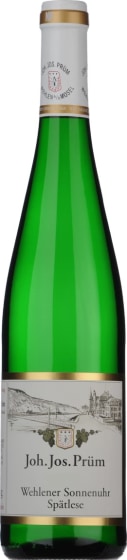
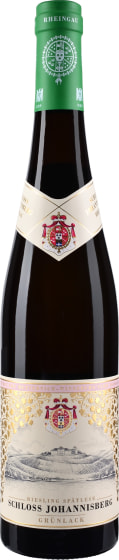
1. Riesling
Riesling is the classic answer to a spicy plate, and it has held that title for good reason. An off-dry style pairs a gentle sweetness with racing acidity, so it cools the burn while staying bright and refreshing. Many bottles sit below 11% alcohol, which keeps the heat from spiking on your palate. Expect flavors of lime, green apple, and white peach, with a clean mineral snap on the finish. German and Washington State bottlings both deliver this style well. It is hard to overspice a dish that a good Riesling cannot handle.
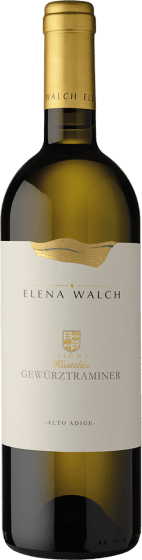
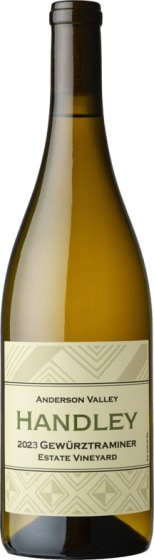
Gewürztraminer is the showiest white on this list, and it thrives against bold, aromatic seasoning. The wine bursts with lychee, rose petal, and ripe apricot the moment you bring the glass to your nose. A faint sweetness and a soft, almost oily texture wrap around chili heat instead of fighting it. This is the bottle for dishes leaning on dried chilies, warm cumin, or a smoky adobo marinade. Alsace in France sets the benchmark, though cooler California sites do it justice too. Serve it well chilled so its perfume stays fresh and lifted.
Anderson Valley, Mendocino, California ● Gewurztraminer
92 Wine Enthusiast
Sold Out - was $32.00
3. Dry Rosé
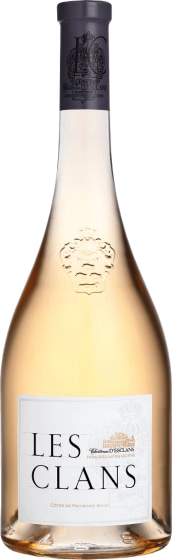
dry rosé is the most flexible pick for taco night, at home beside almost anything off the grill. A crisp Provence style leans into strawberry and citrus zest, while a fuller Tavel from the southern Rhône brings more red-fruit weight for heartier plates. The wine drinks dry, meaning there is no noticeable sweetness, yet its fresh fruit and cool acidity still take the edge off moderate heat. Because it splits the difference between white and red, it suits a table serving several dishes at once. Chill it down and it carries you from the first chip to the last bite.
Cotes de Provence, Provence, South of France, France ● Rosé
94 James Suckling
92 Decanter
91 Wine Spectator
Sold Out - was $95.00
4. Sparkling Wine
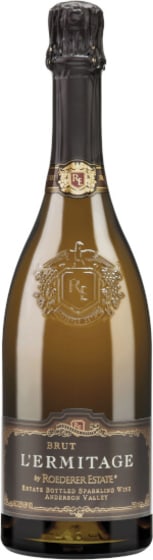
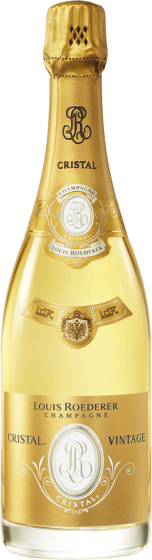
sparkling wine may be the most underrated match for spicy food. The bubbles and high acidity scrub your palate clean between bites, which resets your mouth against building heat. A dry Brut, meaning a sparkling wine made with very little sugar, keeps things crisp and lively, while a Spanish Cava delivers the same refreshing lift at an easy price. The gentle fizz also lightens rich, fatty fillings so the meal never feels heavy. When you are not sure what to pour, a cold bottle of bubbles rarely misses.
Red wine and spice can absolutely work, as long as you skip the biggest, most tannic bottles. The reds that shine here are lighter in tannin and alcohol, with juicy fruit that plays well against chili and char. These three styles cover most of what lands on a Mexican table.
1. Pinot Noir
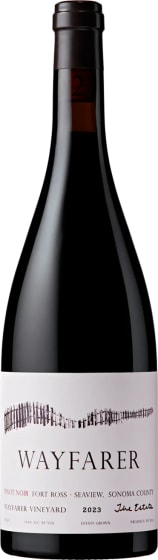
Pinot Noir is the safest red for a spicy meal, and the easiest to love. It carries soft, low tannin and bright acidity, with flavors of red cherry, raspberry, and a hint of baking spice. That light grip means the wine stays smooth even when the salsa turns up the heat. It is the natural partner for tacos al pastor, where the roasted pork and sweet pineapple echo the wine's own red fruit. California, Oregon, and France's Burgundy region all make lovely versions. Serve it slightly cool to keep the fruit fresh and lively.
Sonoma Coast, Sonoma County, California ● Pinot Noir
99 James Suckling
94 Vinous
92 Wine Spectator
Sold Out - was $88.00
2. Zinfandel
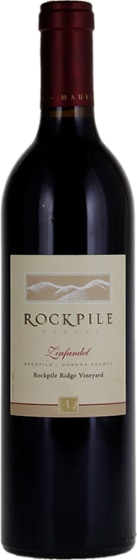
Zinfandel, known as Primitivo in southern Italy, is built for smoky, boldly spiced tacos. The wine is ripe and juicy, full of blackberry, plum, and a peppery kick that stands up to charred meat. Many classic California Zinfandels are field blends, mixing in a splash of Mourvèdre or Carignane that adds spice and lift without piling on heavy tannin. That balance keeps the wine generous and round rather than grippy or drying. Look to old-vine sites in Sonoma and Lodi for the most characterful bottles. Pour it with carne asada, grilled beef tacos, or anything that spent time over open flame.
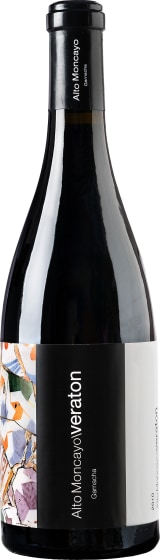
Garnacha, called Grenache in France, is round, soft, and full of sweet red fruit. It leans into strawberry and raspberry, carried by a warm, easygoing texture that rarely turns harsh. The tannin stays gentle, so the wine wraps around mild to medium heat instead of sharpening it. Spain's Rioja and Aragón, along with France's southern Rhône, offer the ripest and friendliest examples. It shines with enchiladas, mole, and saucy, tomato-based dishes that want a little richness in the glass.
Matching wine to a specific dish is easier than it sounds once you know the heat level and the main ingredient. Serving temperature matters just as much as the bottle you pick. Here is a quick cheat sheet for the most common plates.
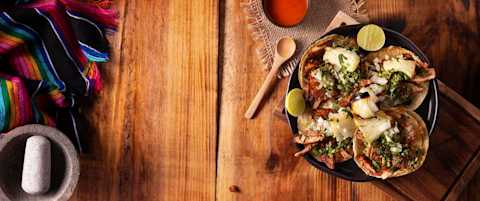
Tacos al Pastor - pork, pineapple, and chili call for an off-dry Riesling, a dry rosé, or a juicy Pinot Noir
Carne Asada and Beef Tacos - grilled, charred beef pairs best with Zinfandel or Garnacha
Carnitas - rich, crispy pork loves the fresh lift of Pinot Noir or rosé
Chicken Tacos and Fajitas - leaner poultry works with Sauvignon Blanc, Riesling, or rosé
Fish and Shrimp Tacos - light seafood shines with Albariño, Sauvignon Blanc, or sparkling
Enchiladas and Mole - deep, savory sauces stand up to richer reds
Serving Tips - chill whites, rosé, and sparkling well, and skip high-alcohol, heavily oaked, high-tannin bottles with the spiciest dishes
Wine and Spicy Mexican Food, Answered
What Wine Pairs Best with Tacos al Pastor?
Tacos al pastor bring together roasted pork, sweet pineapple, and a gentle chili kick, so you want a wine that matches both the fruit and the spice. An off-dry Riesling is the top choice, since its touch of sweetness mirrors the pineapple and calms the heat. If you prefer red, a light Pinot Noir echoes the savory pork without adding harsh tannin. A dry rosé splits the difference and works beautifully for a mixed table. Any of the three will make the pairing sing.
Should I Serve Red or White Wine with Spicy Mexican Food?
Both can work, but whites and rosés have the easier job. Their bright acidity, lower alcohol, and occasional sweetness cool the burn and refresh your palate. Reds can still shine if you choose lighter, low-tannin styles like Pinot Noir or Garnacha. The wines to avoid are big, oaky, high-alcohol reds, which tend to taste hot and bitter against serious chili. When in doubt, reach for a chilled white or a bottle of bubbles.
Will an Off-Dry Wine Like Riesling Taste Too Sweet with Tacos?
Usually not, because the chili heat balances the sweetness. Off-dry means the wine has just a hint of sugar, not a dessert-level pour. That small amount of sweetness reads as refreshing next to spicy, salty food rather than cloying. The wine's bright acidity keeps everything in check and stops it from feeling heavy. If you still prefer less sweetness, a dry rosé or sparkling wine gives you similar relief from the heat.
What Wine Goes with Fajitas, Carnitas, or Enchiladas?
These dishes span a range of flavors, so the pairing shifts with each one. Fajitas, especially chicken, love a crisp Sauvignon Blanc or an off-dry Riesling. Carnitas, with its rich and crispy pork, pairs well with a fruit-forward Pinot Noir or a chilled rosé. Enchiladas and mole bring deeper, savory sauces that can handle a richer red like Garnacha or Zinfandel. Match the weight of the wine to the weight of the dish and you will rarely go wrong.
How Cold Should I Serve Wine with Spicy Food?
Cooler temperatures make wine more refreshing, which helps against heat. Serve whites, rosé, and sparkling wines well chilled, around 45 to 50°F after a good hour in the fridge. Light reds like Pinot Noir and Garnacha also benefit from a short chill of about 15 minutes, which brightens their fruit. Skip serving any wine too warm, since heat makes alcohol feel stronger and spice feel sharper. A cool glass is one of the simplest ways to improve a spicy pairing.
Your Next Bottle
When the plate is at its spiciest, reach for an off-dry white or a dry rosé to cool the heat. For tacos al pastor and other lightly spiced dishes, a low-tannin red like Pinot Noir keeps things smooth. And when you cannot decide, a bottle of bubbles almost always works.
You have plenty of room to experiment here. With more than 16,000 wines to choose from, Wine.com makes it easy to try a new style for every dish on the menu.