Washington Wine, Explained: Terroir, Value, and Where to Buy
Washington rarely earns a mention alongside California, and that oversight says more about marketing than about what the state pours. It is the second-largest wine producer in the country, built on a high-desert stretch of the Columbia Valley that ripens Bordeaux-style reds, dramatic Syrah, and bright aromatic whites. You can browse the full Washington collection in one place, and the diversity you find there traces back to the ground itself.
Why Washington Wine Stands Out
Washington makes more wine than any state but California, and it has grown from about ten wineries in 1970 to more than 700 today. Yet it carries no single signature grape the way Napa carries Cabernet, so it never got the one-line story that sells a region.
Seattle's rain never reaches the vineyards. Nearly all of Washington's fruit grows east of the Cascades, in high desert that sees close to 300 sunny days a year.
The Case for an Overlooked Region
Three structural things keep Washington in the background, and none of them is quality. It has no signature grape to anchor a marketing story, so it competes on many fronts at once instead of owning one. A large share of its best wine sells directly to consumers through winery lists and clubs, which limits how often those bottles turn up in shops or on restaurant lists. And it is simply a young region, still writing the reputation that older areas locked in generations ago. That gap between what Washington pours and what most buyers assume is exactly where the value lives.
What the High Desert and the Missoula Floods Left Behind
Eastern Washington is high desert. The Cascade Range wrings the rain out of Pacific storms before they reach the vineyards, making the wet, green west side and the arid southeast as different as Vermont and Arizona. Large-scale irrigation, built out in the early twentieth century, is what made grape-growing possible here at all. The soils came courtesy of catastrophe: between about 13,000 and 16,000 years ago, glacial ice dams in northern Idaho failed again and again, and the Missoula floods buried the region's basalt bedrock under wind-blown silt, sand, and gravel. Those loose, sandy soils drain fast and, as a bonus, discourage phylloxera, so many Washington vines still grow on their own roots. Long summer days followed by cold desert nights let the fruit ripen fully while holding onto acidity, which is the source of that trademark mix of power and freshness.
Washington's Wine Regions, AVA by AVA
An AVA on a Washington label is a promise about sourcing: at least 85% of the fruit must come from the named area, so the smaller the appellation, the more specific the site. These five regions run from a valley the size of a small state down to a single sunbaked ridge.
1. Columbia Valley
The Columbia Valley is the mother appellation, covering about a third of the state across some eleven million acres. Most other Washington AVAs sit inside it. This is where the state earns its range: structured Cabernet Sauvignon and concentrated Merlot on the warmer sites, and the crisp Riesling that still makes Washington the country's top producer of the grape. Fruit here can read as everyday value or serious benchmark depending on the vineyard, which is why the valley's name turns up on both weeknight bottles and cellar candidates.
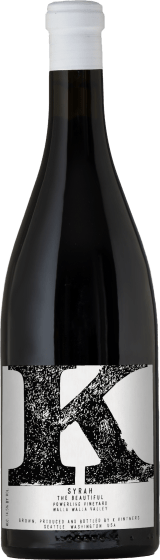
Walla Walla is Washington's prestige address for red wine, straddling the Oregon border in the state's southeast corner. Its Rocks District subzone, a bed of basalt cobblestones, turns out Syrah (the grape Australians call Shiraz) with a savory, almost meaty edge that has become the valley's calling card. Bordeaux-style blends thrive here too, though summers run warm to hot and winters can turn cold enough to threaten the vines, which is why some growers dry-farm and others hedge their sites carefully. The wines tend to reward patience.
Walla Walla Valley, Columbia Valley, Washington ● Bordeaux Red Blends
97 James Suckling
96 Jeb Dunnuck
95 Vinous
93 Wine Spectator
$79.99
$79.99
3. Red Mountain
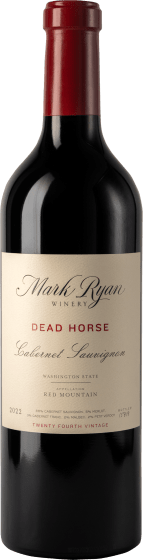
Red Mountain is small, sun-baked, and water-limited, and it produces some of the most powerfully tannic Cabernet in the country. Growers here talk about a "monolithic" tannin structure: dense, firm, and built to outlast a decade or two in the cellar. The heat concentrates fruit while the poor soils hold yields low, so even young wines carry serious grip. This is a site for buyers who plan to wait.
Red Mountain, Yakima Valley, Columbia Valley, Washington ● Cabernet Sauvignon
94 Wine Spectator
92 Vinous
90 Jeb Dunnuck
Sold Out - was $77.00
4. Horse Heaven Hills
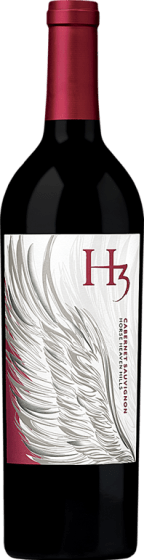
Sloping down toward the Columbia River, Horse Heaven Hills catches steady wind that thickens grape skins and moderates the temperature swings near the water. That combination gives its Cabernet and Merlot a polished, mid-weight profile, less brawny than Red Mountain but more open in their youth. Several of Washington's most celebrated single vineyards sit here, feeding wines that balance ripeness with freshness.
Yakima Valley was Washington's first AVA, approved in 1983, a year ahead of Columbia Valley, though vinifera vines went into the ground here back in the late 1930s. Its cooler, higher sites favor aromatic whites and a leaner, peppery style of Syrah than the valleys to the south. Chardonnay from here keeps a lively acidity that makes it a food wine first and a cocktail-hour pour second.
Put a $50 Red Mountain Cabernet next to a $50 Napa bottling and the Washington wine often shows more structure and grip for the money, because land and fruit still cost less here. Price in Washington tracks three things: vineyard scarcity, the oak program, and how little the top wines actually make.
1. Everyday Value (Under $30)
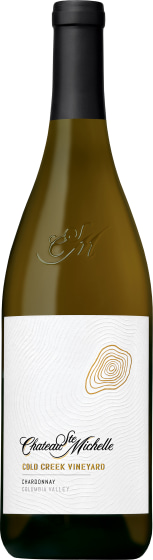
At the entry level, Washington's advantage is consistency: even supermarket-priced reds and whites here tend to taste like they come from somewhere. Chateau Ste. Michelle and its sister label Columbia Crest built the category, farming Columbia Valley fruit at a scale that keeps prices low without hollowing out flavor. A $15 Washington Cabernet usually offers firmer structure than a California bottle at the same price, where softness and a touch of sweetness often fill the gap.
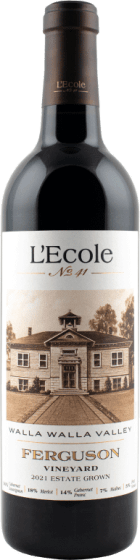
This is Washington's sweet spot, where single-vineyard reds and serious Syrah start to show a real address. L'Ecole No. 41 helped prove that Walla Walla fruit could stand beside Napa and Bordeaux at this price, and estates like DeLille Cellars blend across sites the way a Bordeaux château assembles a grand vin. The extra cost here buys better barrels, older vines, and tighter selection in the cellar, so the wines gain both concentration and the framework to age five to ten years. These are bottles to buy by the case and forget for a while.
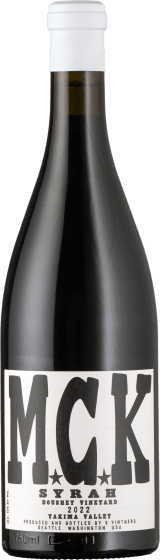
Walla Walla Valley, Columbia Valley, Washington ● Syrah/Shiraz
96 James Suckling
95 Jeb Dunnuck
95 Robert Parker
92 Wine Spectator
Sold Out - was $62.00
3. Collectible and Allocated ($75+)
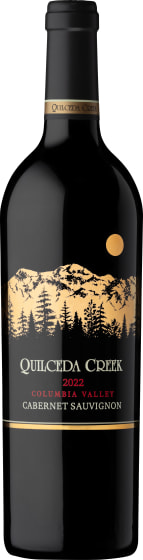
At the top, Washington's cult Cabernets compete with anything in North America, and they price accordingly. The cost reflects tiny yields, new French oak, and production so small that many of these wines never reach a store shelf. Most premium Cabernet at this level is not 100% Cabernet: a supporting 5 to 15 percent of Merlot, Cabernet Franc, Petit Verdot, or Malbec rounds the mid-palate and firms the finish. Quilceda Creek helped define the tier from Red Mountain fruit. Cayuse Vineyards built a following for Rhône varieties farmed in the Rocks District. The rarest bottlings often make fewer than 500 cases a year and sell mainly through mailing-list allocation, which means the wine, not the store, sets the terms.
Walla Walla Valley, Columbia Valley, Washington ● Cabernet Sauvignon
95 Jeb Dunnuck
95 Vinous
94 Wine Enthusiast
93 James Suckling
93 Wine Spectator
Sold Out - was $155.00
Buying and Cellaring Washington Wine
Access shapes the Washington buying experience as much as taste does. The most sought-after reds move through mailing lists and futures offers rather than open shelves, so getting on a list early matters, and a membership like StewardShip takes the shipping math out of buying steadily through the year.
Mailing-list allocations: the rarest Cabernets make fewer than 500 cases and sell first to list members, so sign up before a wine gets famous
Futures and pre-arrival: some collectible bottlings sell as futures ahead of release, locking in price and guaranteeing a bottle from a small run
Retail and open stock: the everyday and cellar-worthy tiers stay widely available, which makes them the easiest place to build depth without chasing allocations
Cellaring in Washington follows the price tiers closely, because the same things that raise a wine's cost also extend its life. Match your buying to your patience.
Everyday value (under $30): buy now and drink now, since these reds and whites are made for the next year or two, not the long haul
Cellar-worthy ($30–$75): buy now and wait a bit, since single-vineyard reds and Syrah reward five to ten years and open into their best window mid-decade
Collectible ($75+): buy now to cellar long, since Red Mountain Cabernet and the top Walla Walla reds can hold and improve for two decades or more
Washington Wine Questions, Answered
Why is Washington wine so underrated?
Washington never settled on a single grape to market, so it lacks the one-line identity that Napa and Oregon use to sell themselves. Much of the best wine also sells directly through mailing lists instead of national distribution, which keeps it out of sight for casual buyers. The region is young too, growing from a handful of wineries in 1970 to more than 700 now, so its reputation is still catching up to its quality. The upshot is a lot of serious wine that trades below what comparable California bottles command.
Is Washington really only sweet Riesling and bargain bottles?
That reputation is a decade or two out of date. Washington does lead the country in Riesling, and much of it is bone-dry rather than sweet, built around bright acidity. The state's core strength is actually structured red wine: deep Cabernet, concentrated Merlot, and spicy Syrah that age for years. Bargains exist at the low end, but the ceiling reaches cult-level Cabernet that competes with the best in the country.
How does Washington wine compare to Napa and Bordeaux?
Washington is sometimes called the Bordeaux of the American West, and the comparison holds up in the glass more than on a map. Its Cabernet and Merlot lean toward structure and savory depth rather than the plush, fruit-forward style Napa is known for. Set against Bordeaux, the Washington reds show riper fruit and softer acidity, a product of that sunny high-desert climate. For a buyer, it often means Bordeaux-style structure at a friendlier price.
How do I buy allocated Washington wines like Quilceda Creek or Cayuse?
Start by joining the winery mailing lists, since most allocated bottlings sell to members first and rarely reach open shelves. Expect a wait: popular lists can take a year or more before you clear the queue and get an offer. In the meantime, well-stocked retailers occasionally release small parcels of these wines, so it pays to check availability instead of assuming they are impossible to find. Buying a producer's more available bottling first can also move you up some lists faster.
Bringing Washington Wine Home
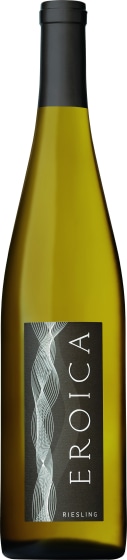
Here is the shortcut. Start with a Columbia Valley Cabernet when you want everyday structure for the price, step up to Walla Walla Syrah when you want savory complexity worth a few years in the rack, and chase Red Mountain Cabernet when you are buying for the long cellar. Dry Riesling covers the table when you want something white and food-friendly.
Wine.com carries Washington across all of these tiers, from weeknight reds to allocated cult bottles, with the vintage detail and critic context that let you buy each one on purpose. The selection makes it easy to taste the whole state without leaving your kitchen.
The best way to understand Washington is to drink across it. Browse Washington Wine at Wine.com and build a case that runs from a weeknight Columbia Valley red to a Red Mountain Cabernet worth the wait.