Sparkling Wine at a Glance
The method a winemaker uses to trap carbon dioxide inside a bottle shapes the finished wine's texture, flavor complexity, and price. Three approaches account for nearly every sparkling wine you will encounter.
Sparkling wine is any wine with enough dissolved carbon dioxide to produce visible bubbles when poured. That single definition covers an enormous range, from bone-dry Champagne aged on its lees for years to gently fizzy Moscato d'Asti that barely reaches 5.5% alcohol. The differences come down to where it is made, how the bubbles get there, and how much sweetness stays in the glass.
The method a winemaker uses to trap carbon dioxide inside a bottle shapes the finished wine's texture, flavor complexity, and price. Three approaches account for nearly every sparkling wine you will encounter.
The traditional method, also called méthode champenoise, creates bubbles through a second fermentation inside the bottle itself. Yeast and sugar are added to a finished still wine, the bottle is sealed, and carbon dioxide dissolves into the liquid under pressure. The wine then rests on spent yeast cells for months or years, developing toasty, biscuit-like flavors. Champagne, Cava, and Crémant all use this approach.
The Charmat method, sometimes called the tank method, moves that second fermentation into large pressurized steel tanks. The process takes weeks rather than years, preserving the fresh, fruity character of the base grape. Prosecco is the most famous Charmat-method wine, and its bright flavor is a direct result of this faster production style.
The ancestral method is the oldest and simplest approach. Wine is bottled before its first fermentation finishes, so the remaining sugar and yeast produce a gentle fizz naturally. The bubbles tend to be softer and less uniform. Pétillant naturel, or Pét-Nat, is the modern expression of this ancient technique.
Sparkling wine labels use French-derived terms to indicate sweetness, and the scale is not always intuitive. Brut, the most common designation, means the wine is dry with very little residual sugar. Extra Brut is even drier, and Brut Nature contains no added sugar at all.
Here is where it gets counterintuitive: Extra Dry is actually sweeter than Brut, despite the name suggesting otherwise. The sugar level bumps up just enough to give Extra Dry a softer, rounder feel on the palate. Further up the scale, Sec is noticeably sweet, Demi-Sec is dessert-friendly, and Doux is the sweetest style you will find. For most food pairings and everyday drinking, Brut is the safe starting point. If you prefer a touch of softness without overt sweetness, reach for Extra Dry.
A bottle of sparkling wine from northern France tastes fundamentally different from one made in the hills outside Venice, even when both are labeled Brut. Climate, grape varieties, and production methods create distinct regional personalities.
Champagne comes from a legally defined region in northeastern France where the cool climate gives grapes naturally high acidity. Only three grapes dominate production: Chardonnay, Pinot Noir, and Pinot Meunier.
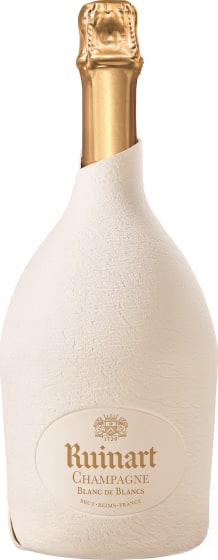
A Blanc de Blancs is made entirely from Chardonnay, producing a wine with bright citrus and mineral precision. A Blanc de Noirs uses only the red-skinned Pinot Noir and Pinot Meunier, giving more body and richer fruit like red apple and brioche. Most Champagnes blend all three grapes for balance.
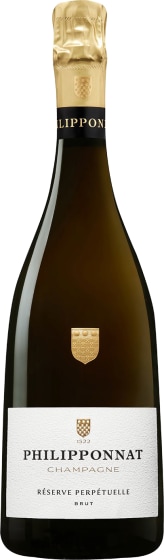
What sets Champagne apart is both geography and time. The traditional method requires a minimum of fifteen months of aging on the lees for non-vintage bottlings, with many producers going well beyond that. The production cost difference between Champagne and tank-method sparkling wines can add $10 or more per bottle before the wine leaves the cellar.
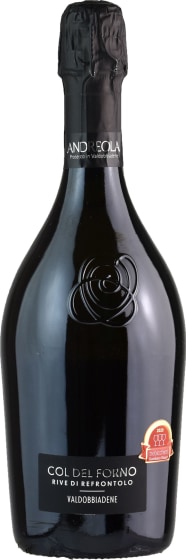
Prosecco is made primarily from the Glera grape in northeastern Italy's Veneto and Friuli Venezia Giulia regions. The Charmat method preserves Glera's naturally aromatic character, producing a sparkling wine with ripe pear, white peach, and citrus blossom flavors, plus a lighter mousse than Champagne.
Two quality tiers matter when shopping. Prosecco DOC covers a broad area and delivers the easygoing style most people know. Prosecco Superiore DOCG comes from the hillside vineyards of Conegliano Valdobbiadene, where steeper slopes produce wines with more concentration and mineral character.
Prosecco's popularity is no accident. It is lower in alcohol than most sparkling wines (typically 11–12%), and the second fermentation takes as little as thirty days in tank, keeping production costs low and flavor bright.
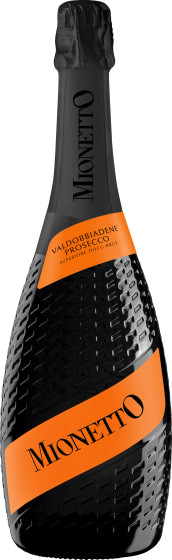
Cava uses the same traditional method as Champagne but draws on native Spanish grapes at a fraction of the price. The Penedès region of Catalonia has been producing traditional-method sparkling wine for over 160 years. Three indigenous white grapes form the backbone: Macabeo brings fruity aromatics, Xarel·lo adds earthy structure, and Parellada contributes delicacy and floral lift.
Standard Cava ages a minimum of nine months on the lees, with Reserva at fifteen months and Gran Reserva at thirty. The flavor profile leans toward green apple, citrus, and a faint nuttiness, with a clean finish. For anyone who enjoys traditional-method texture but prefers to spend under $20, Cava is the category to try.
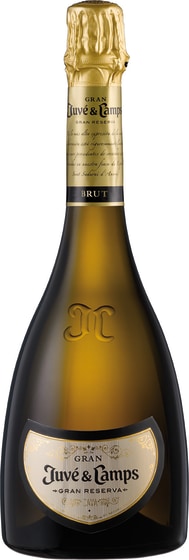

Crémant is France's traditional-method sparkling wine made outside the Champagne region. Eight appellations produce it, with Alsace, the Loire Valley, Burgundy, and Jura leading in quality. Each region draws on its own local grapes: Crémant d'Alsace uses Pinot Gris, Pinot Blanc, and Riesling; Crémant de Loire showcases Chenin Blanc; Crémant de Bourgogne relies on Chardonnay and Pinot Noir.
The production mirrors Champagne, but terroir and grape selection give each appellation its own personality. Crémant d'Alsace tends toward floral freshness, Crémant de Bourgogne shows citrus and toasty notes, and Crémant de Loire brings the honeyed richness of Chenin Blanc. These wines deliver traditional-method complexity at roughly half the cost of entry-level Champagne.
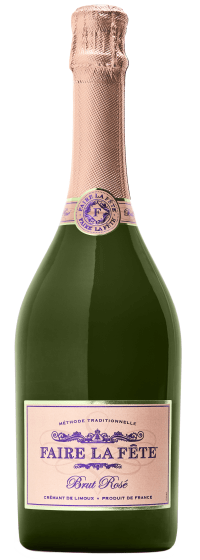
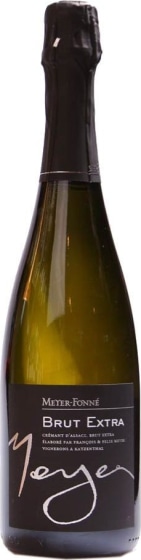
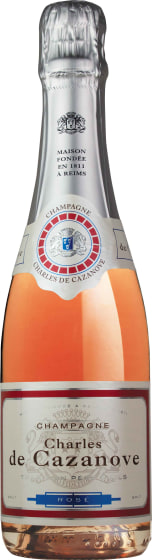
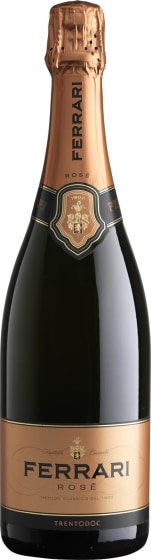
Sparkling rosé crosses borders as a style rather than a single region. Champagne rosé, Prosecco rosé, Cava rosado, and domestic sparkling rosé all exist. The pink color comes from brief skin contact with red grapes (called saignée) or blending a small amount of still red wine into the sparkling base (called d'assemblage).
Saignée wines tend toward deeper color with pronounced red-fruit character. Blended rosés are lighter in hue with delicate strawberry and floral notes. Across both methods, expect flavors of wild strawberry, raspberry, and citrus, with enough acidity to pair with a wide range of foods. Sparkling rosé fits occasions from brunch to outdoor gatherings to a charcuterie spread.
The major regions account for most of what you will find on a typical shelf, but sparkling wine stretches further than Champagne, Prosecco, and Cava alone. These four styles fill different niches.
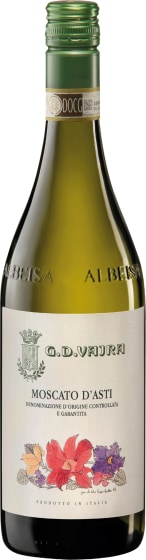
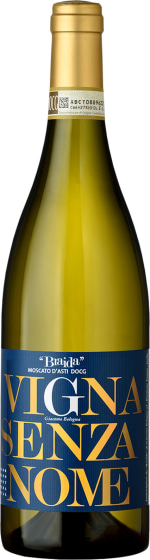
Asti and Moscato d'Asti are made from the Moscato Bianco grape in Piedmont, using a variation of the tank method. Both are sweet, aromatic, and low in alcohol (typically 5–7.5%). Asti is fully sparkling (spumante), with a firmer mousse. Moscato d'Asti is gently effervescent (frizzante), with a softer, creamier texture.
The flavor profile runs to ripe peach, apricot, and orange blossom. These wines pair well with fruit desserts, brunch pastries, or a warm afternoon when you want something light and sweet.
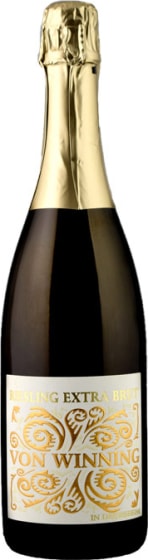
Sekt is the German term for sparkling wine, and the category has undergone a quiet quality revolution. The best examples use Riesling or Pinot Noir, produced by the traditional method with extended aging. Bottles labeled Winzersekt (estate-grown, traditional-method) deliver crisp acidity, mineral depth, and fine bubbles.
For fans of dry, precise sparkling wine, Riesling-based Sekt is worth seeking out. The grape's natural acidity produces wines with green apple, lime zest, and a stony finish.
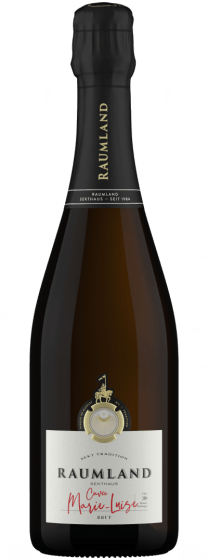
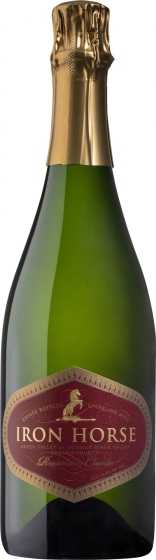
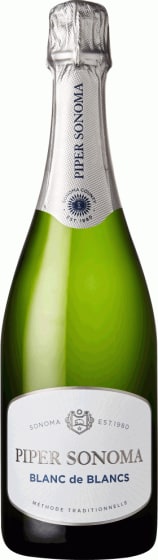
In California, the best sparkling wines come from cool-climate regions like Sonoma Coast and Anderson Valley, where fog and ocean influence give grapes the high acidity sparkling wine demands. Many producers work with Chardonnay and Pinot Noir using the traditional method. The warmer climate tends to produce wines with riper fruit, a rounder texture, and generous body compared to Champagne.
California sparkling wine offers a compelling balance of traditional-method craftsmanship and New World fruit expression. In Australia, Tasmania has emerged as the country's premier sparkling region, producing wines of real finesse.
Pét-Nat is made by the ancestral method: wine is bottled during its first fermentation, and the remaining natural sugars create a gentle, often unpredictable fizz. No yeast or sugar is added for a second fermentation.
Closely tied to the natural wine movement, Pét-Nat embraces imperfection. Bottles may be slightly cloudy, and flavors can run from tart and funky to bright and fruity. The style appeals to drinkers who enjoy surprise in their glass. Pét-Nat is made around the world, from France's Loire Valley to California and Oregon.
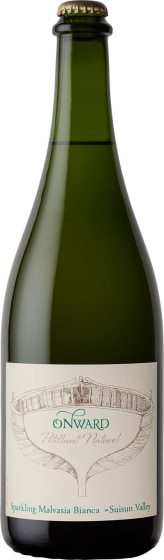
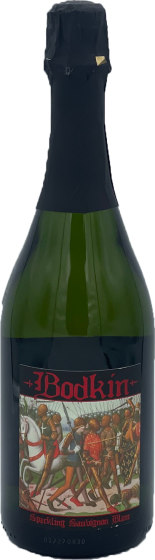
Sparkling wine's acidity and effervescence make it one of the most versatile categories at the dinner table.
Serving temperature: Most sparkling wines taste best between 40°F and 50°F. Lighter styles like Prosecco and Moscato d'Asti benefit from the colder end of that range. Fuller-bodied Champagne can be served slightly warmer to let its complexity come through
Glassware: A tulip-shaped glass or a standard white wine glass both work well. The wider bowl lets aromas develop, and the tapered top concentrates them. Narrow flutes look festive but can mute aroma and flavor
Food pairings: Champagne and Crémant complement oysters, soft cheeses, and smoked salmon. Prosecco pairs well with light appetizers, seafood pasta, and bruschetta. Cava's earthy notes stand up to grilled vegetables, paella, and cured meats
For a casual outdoor gathering: Reach for Prosecco, Cava, or sparkling rosé. All three are refreshing, affordable, and forgiving of imperfect serving conditions. Prosecco's lighter carbonation makes it an easy crowd-pleaser. Cava offers traditional-method complexity at a price that works for filling multiple glasses. Sparkling rosé adds visual appeal and pairs with everything from grilled chicken to a cheese board
Opening the bottle: Hold the cork steady with one hand and twist the base slowly with the other. You want a gentle sigh, not a dramatic pop. A controlled opening preserves more carbonation in the wine
All Champagne is sparkling wine, but not all sparkling wine is Champagne. The distinction is geographic: Champagne can only come from the Champagne region of northeastern France and must follow strict production rules, including the traditional method of in-bottle fermentation. Sparkling wines made the same way elsewhere in France are called Crémant, and those from Spain are called Cava. The name on the label tells you where the wine was made and, in most cases, how it was produced. The quality of sparkling wine outside Champagne can be exceptional, and the price is often significantly lower.
Prosecco or Cava Brut are the go-to choices for mimosas. Both have a clean, neutral flavor that blends smoothly with fresh orange juice without competing for attention. Their bright acidity balances the sweetness of the citrus, and their price point makes them practical for mixing. Avoid bottles with complex, toasty flavors, since those nuances get lost in the juice. Save the Champagne for sipping on its own.
Prosecco and Champagne are different styles, not different quality levels. The Charmat method gives Prosecco its fresh, fruit-forward personality, with pear and citrus blossom flavors meant to be enjoyed young. Champagne's traditional method and extended aging produce more complexity, toasty depth, and a finer mousse. Prosecco excels as an easy-drinking, casual sparkling wine. Champagne rewards slower sipping and more serious food pairings.
Brut is the most common sweetness designation on sparkling wine labels, and it means the wine is dry. A Brut sparkling wine contains fewer than 12 grams of residual sugar per liter, which translates to virtually no perceptible sweetness on the palate. Most sparkling wines sold today fall into the Brut category. If you see Extra Brut or Brut Nature on a label, the wine is even drier. If you prefer a touch of sweetness, look for Extra Dry, which is actually slightly sweeter than Brut despite the confusing name.
Champagne is the right pick when the occasion calls for something celebratory and complex. For weeknight ease and casual entertaining, Prosecco delivers bright refreshment at a price that does not require deliberation. Cava gives you traditional-method texture and food-friendly acidity for under $20, making it one of the best values in sparkling wine.
Try a Crémant d'Alsace alongside your usual Prosecco to see how the same Brut designation tastes across two different methods. Pick up a bottle of Moscato d'Asti for dessert and a Riesling Sekt for a before-dinner pour. Each new region and style fills in a different corner of the sparkling wine map.
Wine.com stocks sparkling wines from every region and style covered here, with tasting notes and critic scores to help narrow the options. Browse Sparkling Wines at Wine.com and start with the style that matches your next occasion.