Sweet Rosé Wine, Explained: Styles, Pairings, and Top Picks
Sweet rosé is pink wine that keeps some of the grape's natural sugar, so it tastes fruity and a little sweet instead of sharp and dry. That sets it apart from the dry rosé that now fills most store shelves, the pale kind made to taste crisp and refreshing. Under the sweet rosé umbrella you'll find several different styles, from frothy Pink Moscato to blush White Zinfandel to sparkling bottles and France's semi-sweet Rosé d'Anjou.
Sweet Rosé at a Glance
Rosé gets its sweetness from sugar the grapes made on the vine. During fermentation, yeast turns grape sugar into alcohol, and if the winemaker stops that process early, some sugar stays behind. Winemakers call this leftover sugar residual sugar, and it's the main reason one rosé tastes sweet while another tastes dry.
Grape choice and blending matter too. Some grapes, like Muscat, carry loud floral and fruity flavors that read as sweet even in small amounts. Others are naturally tart and lean dry. A winemaker can also blend in a splash of sweeter juice to round out the finish, which nudges the wine further along the sweet end of the scale.
Sweetness sits on a spectrum, and most rosé falls somewhere along it: bone-dry, off-dry, semi-sweet, then fully sweet. Wines under about 2 grams of sugar per liter taste dry to most people, with no real sweetness at all. As that number climbs, the fruit starts to feel richer and rounder on your tongue. Acidity plays a quiet role here as well. A wine with bright, mouthwatering acidity can carry a fair amount of sugar and still taste balanced rather than syrupy, which is why a well-made sweet rosé feels refreshing instead of cloying.
How Sweet Rosé Tastes (And Why It Varies)
Most sweet rosé leads with red-fruit flavors you already know. Think ripe strawberry, juicy watermelon, and soft peach, often with a floral note that smells a bit like rose petals or orange blossom. Some bottles add a candied edge, close to strawberry hard candy, while others stay closer to fresh-picked fruit.
Why such a range? The grape sets the starting point, since Muscat tastes floral and grapey while Grenache leans toward red berries. Region shapes it next, because warmer places grow riper, sweeter-tasting fruit than cool ones do. Winemaking finishes the job. How long the juice sits with the grape skins affects color and body, and how much sugar the winemaker leaves in decides where the wine lands on the sweetness scale.
The result is that two pink wines can taste completely different. One might be light and fizzy with a sugary pop, while another feels fuller and rounder with just a hint of sweetness behind the fruit.
Sweet Rosé Wines by Style
Sweet rosé covers more ground than a single flavor or color. Four styles account for most of what you'll see, and each one tastes and behaves a little differently. Knowing them makes it easier to pick the right bottle for the moment.
1. Pink Moscato
Pink Moscato is the crowd-pleaser of the group. It's made mostly from the Muscat grape, which gives it big floral and fruity flavors like peach, orange blossom, and ripe strawberry. Many bottles carry a light fizz that makes the sweetness feel playful rather than heavy.
On the sweetness scale, Pink Moscato sits firmly in the sweet camp, though its low alcohol keeps it easy to drink. It's a great choice if you're new to wine or you simply enjoy a sweeter pour. Serve it cold at a brunch, a birthday toast, or a lazy afternoon on the porch.
2. White Zinfandel
White Zinfandel is the pink wine that got a whole generation into wine, and it's a California classic. It comes from the Zinfandel grape, the same variety known as Primitivo in southern Italy, but the juice spends little time on the skins, so it turns out pale pink instead of deep red. Expect flavors of strawberry, melon, and a touch of sweet citrus.
It lands in the off-dry to semi-sweet range, lighter and less floral than Pink Moscato. This is an easygoing, budget-friendly pour that suits a casual weeknight or a big group where not everyone loves dry wine. Chill it well and keep the setting relaxed.
3. Rosé d'Anjou
Rosé d'Anjou is France's classic semi-sweet pink, made in the Loire Valley. It leans on the Grolleau grape, often with some Gamay blended in, for flavors of red currant, raspberry, and fresh strawberry. The body stays light, and the sweetness is gentle rather than bold.
Think of it as the middle path between a dry rosé and a full-on sweet one. It's semi-sweet, with enough acidity to keep it lively on the tongue. Reach for it with a cheese board, a picnic, or an easy dinner when you want something soft and fruity but not heavy.
4. Sweet Sparkling Rosé
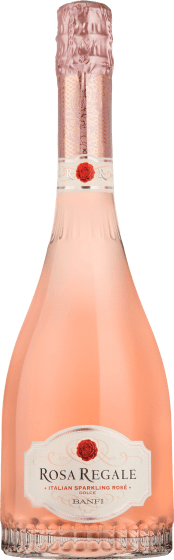
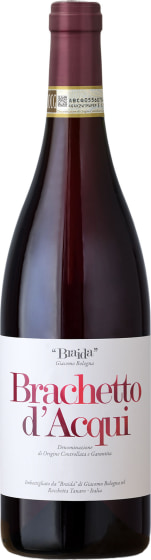
Sparkling rosé brings bubbles into the sweet category, and it comes in a few forms. Moscato d'Asti made in a pink style, demi-sec sparkling rosé, and Italy's Brachetto d'Acqui all deliver fizz with a sweet, fruity core of strawberry, cherry, and rose petal. The bubbles do something clever to how you sense the sugar.
Carbonation adds a light prickle and a hint of freshness that keeps sweet bubbles from feeling flat or heavy, so a sweet sparkler often tastes more refreshing than a still wine with the same sugar. That balance makes these bottles perfect for celebrations, dessert courses, or any time you want something festive. Serve them well chilled and pour into any glass you like.
Plenty of rosé labeled "dry" still carries a whisper of sweetness. These bottles taste fruit-forward and round without tipping into dessert territory. They're a smart pick if you love flavor but don't want a full-on sweet wine.
1. Provence-Style Rosé (Off-Dry Versions)
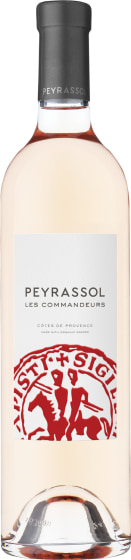
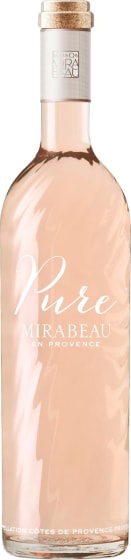
Provence rosé is famous for its pale, almost silvery pink color and its restrained, subtle fruit. Most of it is bone-dry, but not all of it, and the off-dry versions keep a soft touch of sweetness under the same delicate style. You'll taste light strawberry and citrus, often with a faintly salty, mineral finish that makes the wine feel clean.
These are food-friendly bottles that work from lunch through dinner. An off-dry version suits anyone who likes the elegant Provence look with a bit more fruit on the finish.
Cotes de Provence, Provence, South of France, France ● Rosé
91 Vinous
Sold Out - was $27.00
2. Grenache Rosé
Grenache rosé comes from a grape that's naturally juicy and fruit-forward, which makes it a favorite for pink wine. Grenache goes by Garnacha in Spain, where it's just as at home as it is across southern France. Most versions are dry, but the grape's ripe berry character can read as slightly sweet, and some are made in an off-dry style on purpose.
Expect flavors of strawberry, raspberry, and a little melon, with more body than a pale Provence pink. It's an easy match for grilled food, warm evenings, and casual get-togethers.
Tavel holds a special title as France's only appellation devoted entirely to rosé. Wines here come from the southern Rhône, and they're built with more body and deeper color than most pink wine. Expect bold red-fruit flavors and a fuller feel on the palate.
Most Tavel is dry, so it's less about sweetness and more about power for a rosé. It's the bottle to pour when you want a pink wine that can stand up to hearty food like grilled meat or a rich stew.
What to Eat with Sweet Rosé
Sweet rosé shines at the table, and it's especially good next to dessert. One rule keeps every pairing on track: the wine should be at least as sweet as the food, or it will taste thin and sour next to a sugary bite. Savory dishes work too, particularly anything with a little heat.
Dessert Pairings
Fruit desserts: strawberry shortcake, berry tarts, and peach cobbler pair beautifully with Pink Moscato or White Zinfandel
Creamy desserts: panna cotta, cheesecake, and vanilla custard shine alongside sparkling rosé or Rosé d'Anjou
Chocolate desserts: milk chocolate, white chocolate, and chocolate-covered strawberries love sweet sparkling rosé, while dark chocolate overpowers most sweet rosé
Light pastries: madeleines, fruit galettes, and meringues suit an off-dry Provence rosé
Savory Pairings
Sweet rosé also earns a place next to savory plates, where its fruit plays off salt and spice. The touch of sugar is exactly what makes it so handy with bold, punchy flavors.
Spicy dishes: the sweetness in a sweet rosé tames the heat in Thai curry, Mexican mole, and other chili-forward food
Charcuterie and soft cheeses: salty cured meats and creamy cheeses like brie balance the wine's fruit
Grilled salmon and light salads: a lighter off-dry rosé keeps up with rich salmon and fresh, herb-heavy salads
Sweet Rosé Questions, Answered
Is Rosé Wine Sweet or Dry?
Rosé can be either, and that's the part that trips people up. Most rosé sold today is dry, meaning it has little to no noticeable sugar and tastes crisp and refreshing. But a good share of it is sweet or semi-sweet, including styles like Pink Moscato and White Zinfandel. The color of the wine won't tell you which is which on its own, so the label and the grape are your best clues. When in doubt, a darker pink often hints at a fuller, sometimes sweeter style.
What Is the Sweetest Type of Rosé Wine?
Pink Moscato usually takes the crown as the sweetest widely available rosé. It's made from the Muscat grape, which is naturally packed with sugar and floral flavor, and it's often finished with a good amount of residual sugar. Sweet sparkling styles like Brachetto d'Acqui come close and deliver a similar sugary, fruity punch. White Zinfandel is sweet too, but it usually sits a step below Moscato on the sugar scale.
What Is the Difference Between Pink Moscato and White Zinfandel?
Both are sweet pink wines, but they start from different grapes. Pink Moscato comes from Muscat and tastes floral and grapey, with peach and orange blossom notes, and it often has a light fizz. White Zinfandel comes from the Zinfandel grape, also called Primitivo, and tastes more like strawberry and melon without the floral edge. Moscato tends to be a little sweeter and lower in alcohol, while White Zinfandel is usually still and slightly less sweet. Both are easy, friendly wines for anyone who enjoys a sweeter glass.
Can You Pair Sweet Rosé with Chocolate?
Yes, with the right chocolate. Sweet rosé, especially a sparkling one, pairs well with milk chocolate and white chocolate, since those match the wine's own sweetness. Chocolate-covered strawberries are a natural fit and play right into the wine's berry flavors. Dark chocolate is the one to avoid, because its bitterness tends to flatten the fruit in a sweet rosé. Keep the chocolate on the sweeter, milder side and you'll be in good shape.
How Should You Serve Sweet Rosé Wine?
Serve sweet rosé cold, ideally chilled to 45–50°F, which keeps the fruit fresh and the sweetness in check. A standard wine glass works fine, so there's no need for special stemware. Sweet rosé is meant to be enjoyed young, within a year or two of release, rather than aged like a fine red. Its bright fruit and lively character fade over time, so newer bottles almost always taste better. Pull it from the fridge, pour, and enjoy.
Where to Start with Sweet Rosé
You've now got a simple map of the sweet rosé world. Pour a chilled Pink Moscato with strawberry shortcake, open a sparkling rosé next to cheesecake, and keep a bottle of White Zinfandel on hand for a casual weeknight pour. Each one has a clear moment where it makes the meal better.
From there, taste across the sweetness scale to find your favorites. Try a classic California White Zinfandel, then a semi-sweet French Rosé d'Anjou, then a fizzy Italian Brachetto, and notice how the fruit and bubbles shift from one to the next. The more you taste side by side, the faster you'll learn what you reach for.
Any of these styles is an easy, low-risk way to enjoy pink wine on your own terms. When you're ready to stock up, browse sweet rosé at Wine.com.