Recent Wine Vintages, Explained: Standout Regions and What to Cellar
The last three vintages did not rise or fall together. Across 2022, 2023, and 2024, region rather than year decided quality, and the gaps between growing areas ran wider than the gaps between the years. For a collector weighing futures or cellar space, reading the recent vintages region by region is the first move that matters.
Understanding Vintage Variation
A single Left Bank estate can bottle a firm, tannic red one year and a rounder, softer one the next, because Bordeaux blends give the winemaker levers to pull. Left Bank reds run 60–80% Cabernet Sauvignon, with the balance in Merlot and other supporting varieties that can round off a hard year or add lift to a ripe one.
That cushion does not exist everywhere. Burgundy and Barolo are single-varietal by law, 100% Pinot Noir and 100% Nebbiolo, so a cold snap at flowering or a heat spike at harvest lands directly in the glass with nothing to blend it away. Vintage swings register more starkly in those regions, which is why collectors track their growing seasons so closely.
Vintage is the year the grapes were picked. It signals the weather that shaped that harvest, not a promise of quality: a great vintage means the growing season cooperated, not that every bottle from it will deliver.
How Growing-Season Weather Shapes the Bottle
Weather sets the ceiling on what a vintage can become. A long, cool season lets grapes ripen slowly, holding acidity while tannins mature, which is the profile that ages well. Heat spikes and drought push sugar up fast and can leave acidity behind, giving softer wines that drink sooner. Rain at harvest is the classic spoiler: it swells the berries, dilutes flavor, and forces growers to pick before they would choose to. Read the season and you can usually predict the structure before you taste.
The Standout Regions of the Last Three Vintages
Four regions turned in wines built for the cellar over the last three vintages, each for a different reason. Some delivered a once-in-a-career growing season, while others produced classically structured wines that need time before they show their best. The buy-or-cellar call changes with each one.
1. Napa Valley
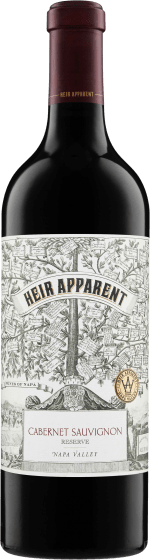
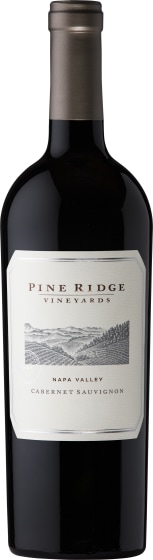
Napa Valley handed Cabernet Sauvignon a long, cool 2023 growing season, the kind that lets growers ripen fruit fully while acidity stays intact. This has the markings of a vintage of a lifetime, and the wines back it up: deep and structured, yet fresh. That freshness is what separates 2023 from the hotter 2022, which gave riper, softer wines that will drink earlier.
The best 2023 Cabernet carries firm tannins and the acidity to match, which points to a long life in the cellar. Buy these to lay down. For Napa Cabernet you want to open sooner, the softer 2022s are the smarter pour while the 2023s rest.
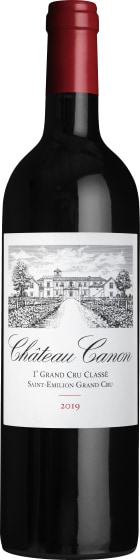
Bordeaux produced a powerful, deeply structured 2022, a year of heat and drought that concentrated the reds without tipping them into overripeness. Those wines are in the market now, and the Left Bank's Cabernet-led blends give them the backbone to age for years. The early read on 2025 is stronger still: the barrel samples point to the best Bordeaux in decades.
Here the buying split is clear. The 2022s are available as finished bottles you can cellar today, so there is no waiting. The 2025s are an en primeur play, bought as futures well before release, which makes sense only if you trust the early read and want first claim on allocation.
St. Emilion, Bordeaux, France ● Bordeaux Red Blends
98 Decanter
98 Jeb Dunnuck
98 Vinous
97 James Suckling
97 Robert Parker
95 Wine Spectator
Sold Out - was $160.00
3. Burgundy
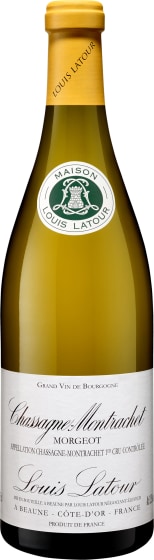
Burgundy's 2023 delivered quality across both colors, with Pinot Noir and Chardonnay ripening well on healthier yields than the frost- and drought-hit years just before it. More fruit on the vine, done right, means more wine to go around and slightly easier access than a short vintage. A large crop also dilutes quality in lesser hands, so producer selection matters more than usual in 2023. As a single-variety region, Burgundy shows its growing season plainly, and 2023 reads as balanced and expressive without tipping into overripeness.
Access is still the collector's real hurdle here. Top domaines sell on allocation, so the move is to buy through channels where you already have a relationship, and to look one rung down from the grand names where 2023 quality runs deep. Premier cru and strong village wines are where the value hides this year.
Chassagne-Montrachet, Cote de Beaune, Cote d'Or, Burgundy, France ● Chardonnay
Sold Out - was $175.00
4. Piedmont
Piedmont's 2023 tested Nebbiolo growers before it rewarded them: downy mildew pressured the vines in spring, August brought hail and heavy rain, and summer heat spikes stressed the fruit. An excellent October rescued the vintage, ripening the grapes cleanly and preserving the bright acidity and firm tannins that define age-worthy Barolo and Barbaresco. In skilled hands the result is the classic profile collectors cellar Nebbiolo for: structured, savory, and built to unfold slowly, which makes 2023 a vintage that rewards close producer selection.
These are not wines to open on release. Nebbiolo of this caliber needs years in the cellar before its tannins settle, so buy 2023 Barolo and Barbaresco to put away, not to pour this season. Patience is the whole point with this grape.
Strong recent vintages were not limited to the prestige regions. Three areas turned in excellent wines at prices well below the trophy tier, which is where a cellar budget stretches furthest. These are the smart-money buys of the last three years.
1. Rioja, Spain
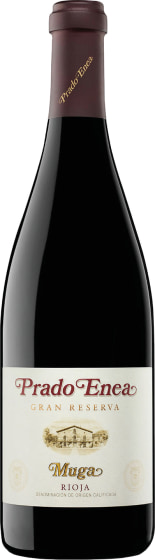
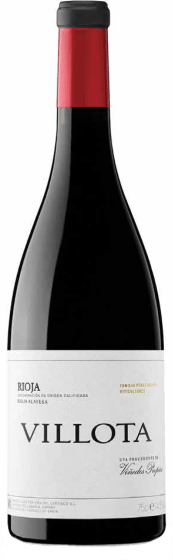
Rioja's 2023 reds came in balanced and ripe, with the structure to age and the approachability to enjoy young. The region's tiered aging system works in the collector's favor: crianza wines offer early-drinking value, while reserva and gran reserva bottlings deliver cellar-worthy depth at prices that stay accessible. Few regions give you this much aging potential for the money.
Buy across the tiers depending on your timeline. Crianza covers the near term, reserva the medium haul. The quality-to-price ratio in 2023 punches well above its band.
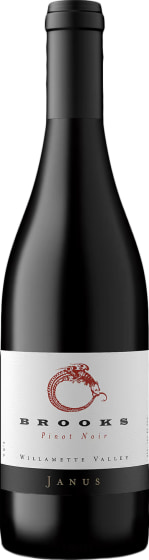
Oregon's Willamette Valley Pinot Noir hit a well-timed 2024, where warmth arrived when the fruit needed it and eased off before harvest. The result is concentration without the loss of acidity that heat can bring, giving wines with both depth and lift. For collectors who love red Burgundy but not its prices, this is the alternative that keeps delivering.
The best 2024s will reward a few years in the cellar, though many drink well now. Buy them as a hedge against Burgundy allocations. You get similar structure and finesse for a fraction of the outlay.
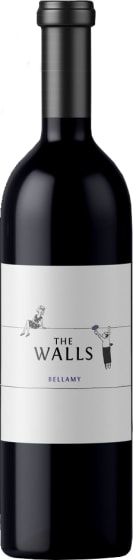
Washington's 2023 gave structured, value-forward reds across both Cabernet Sauvignon and Syrah, the grape known as Shiraz in Australia and much of the wine world. The state's warm days and cool nights held acidity through ripening, producing reds with firm structure and real depth. Bottle for bottle, these compete with wines that cost far more.
The Cabernet leans toward power and grip, the Syrah toward dark fruit and spice. Both have the backbone to age several years, yet neither demands the wait that a top Barolo does. Buy Washington 2023 when you want cellar-worthy reds without cellar-worthy prices.
Red Mountain, Yakima Valley, Columbia Valley, Washington ● Syrah/Shiraz
96 Jeb Dunnuck
94 James Suckling
94 Wine Spectator
Sold Out - was $75.00
How to Buy and Cellar Recent Vintages
A wine's aging trajectory should decide when you buy it. A vintage that needs years to soften is a different purchase than one built to drink young, even when both are excellent. Match the bottle to your timeline before you commit shelf space.
Drink now: Value-region reds like Rioja crianza and 2024 Willamette Pinot Noir are approachable on release and do not need cellar time
Lay down 5–10 years: Structured 2023 Napa Cabernet and 2022 Bordeaux Left Bank reds have the tannin and acidity to improve, so buy now and open later
Cellar for the long haul: Top Barolo and Brunello typically need 10–15 years to soften their structural tannins, which makes 2023 Piedmont Nebbiolo a buy-and-forget wine
Futures / en primeur: The highly rated 2025 Bordeaux is best secured as futures before release, when first access to allocation matters most
Watch the window: Value vintages tend to peak early, so track them and drink within a few years rather than holding for a decade
The pattern is simple once you map it. Structured prestige reds justify the wait and the cellar space, while value vintages pay off sooner and free that space back up.
Recent Vintage Questions, Answered
Which Wine Regions Had the Best Vintages in the Past Three Years?
The strongest recent vintages cluster in a handful of regions. Napa Valley's 2023 stands out for structured, fresh Cabernet, while Bordeaux delivered a powerful 2022 and is generating strong early buzz for 2025. Burgundy's 2023 was excellent across Pinot Noir and Chardonnay, and Piedmont's 2023 gave age-worthy Nebbiolo with bright acidity. For value, look to Rioja, Oregon's Willamette Valley, and Washington State, all of which produced high-quality reds in 2023 and 2024 at accessible prices.
Should I Buy Recent Vintages Now to Cellar, or Wait?
It depends on the wine's aging trajectory, not the calendar. Structured reds from Napa 2023, Bordeaux 2022, and Piedmont 2023 are worth buying now and cellaring, since finished bottles are already on the market and prices rarely fall as a vintage matures. The 2025 Bordeaux is the exception: as an en primeur release, it is bought as futures before the wine is bottled. Value vintages meant for earlier drinking can wait until you are ready to open them. Buy for the cellar when the wine needs time and the vintage is proven.
Was 2020 or 2021 a Better Year for Wine?
It varies by region, but 2020 was broadly the warmer, riper year and 2021 the cooler, more classic one. In much of California, 2020 faced wildfire smoke concerns, which made 2021 the safer bet for reds there. In parts of Europe, 2020 produced concentrated wines while 2021 leaned fresher and more restrained. Neither year beats the other everywhere.
Are Any Recent Vintages Overrated or Best Avoided?
Vintage quality is never uniform, even in a celebrated year. Hype tends to gather around headline vintages like 2023 Napa and 2025 Bordeaux, and the best wines earn it, but producer skill still separates the great bottles from the merely good within any vintage. Hot years can also push some wines toward overripeness, so a lauded warm vintage is no blanket guarantee. The honest guidance is to trust the producer as much as the vintage, and to research before committing to futures. No recent year is one to avoid outright, but none deserves a blind buy either.
How Was the 2023 Vintage in Napa Valley?
2023 was one of Napa Valley's best in recent memory. A long, cool growing season let Cabernet Sauvignon ripen slowly, producing wines with deep structure and bright acidity for the region. These are age-worthy bottles worth cellaring. If you buy one recent Napa vintage for the long term, make it this one.
Picking Your Next Vintage
A few calls make the last three vintages easy to navigate. For structured Cabernet built to age, 2023 Napa is the buy. For balance across reds and whites, 2023 Burgundy delivers. And when value matters more than the label, 2023 Rioja and Oregon Pinot Noir stretch a cellar budget the furthest.
That range is exactly where a deep catalog earns its keep. With one of the world's largest wine selections, Wine.com lets you buy across every one of these regions and vintages in a single place, from trophy Bordeaux to value-tier Rioja.
Whether you are locking in 2025 futures or filling this year's drinking window, the standout recent vintages are ready to buy now. Each one is a click away, in the vintage and format you want. Browse recent standout vintages at Wine.com