The Oregon Pinot Noir vs Burgundy Debate, Explained: Terroir, Style, and Value
Oregon and Burgundy both stake their names on Pinot Noir, and both are treated as the grape's global benchmark. Set the two side by side, though, and they rarely taste alike. That gap comes down to two forces people tend to blur together: the ground the vines grow in and the calls a winemaker makes once the fruit comes in.
Understanding The Oregon And Burgundy Difference
In both regions, a bottle marked Pinot Noir is effectively 100% Pinot Noir, so blending explains none of the difference. Burgundy and Oregon chase the same grape with the same seriousness. What splits them is the site the grape grows on and how the cellar treats it afterward.
What The Climate And Soil Contribute
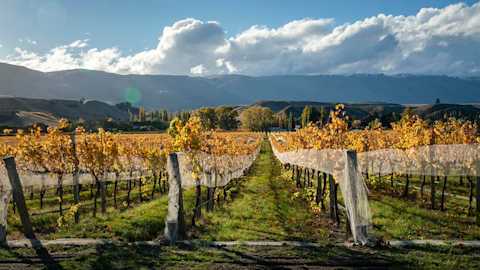
Climate is where the two regions separate first. Both sit near the 45th parallel, which hands each a long, cool season that keeps Pinot Noir's acidity intact.
Oregon's Willamette Valley runs on a maritime rhythm. Pacific air slips through gaps in the Coast Range, bringing cool summers and damp autumns that ripen fruit a touch more fully. Burgundy's climate is continental instead: hotter days, colder nights, and a season that ends fast.
Soil tells the second half of the story. Willamette leans on volcanic basalt, the red Jory type, alongside marine sedimentary sandstone and windblown loess. Burgundy's greatest slopes are limestone and marl, laid down by an ancient seabed.
Those materials drain and hold heat differently, and that shapes how the grapes ripen. Burgundian limestone tends to push wines toward a firmer, stonier feel, while Oregon's basalt gives a rounder, fruitier base to build on.
The climate split also changes how much each region swings from year to year. Burgundy's continental weather brings hail, frost, and uneven ripening, so vintage matters a great deal. Willamette's steadier maritime pattern narrows that range, though a cool, damp autumn can still test a grower's nerve.
Where The Winemaker Steps In
Two vineyards can hand over near-identical fruit, and the wines can still end up worlds apart. That distance opens up in the cellar, where a handful of decisions steer the final style.
The first choice is whole-cluster fermentation. Leaving stems in the fermenter adds grip and a savory, herbal edge. Destemming strips that out and pushes the wine toward pure fruit.
New oak is the next lever. A barrel program heavy on new French oak layers in vanilla, clove, and firmer tannin, while older neutral barrels stay out of the way. Native-yeast fermentation and gentler extraction, with fewer punch-downs, keep the wine lighter and more transparent.
Extraction is the quieter lever. Longer time on the skins and harder pressing pull more color and tannin, while a shorter, gentler regime keeps the wine pale and silky. The same technique reads differently against each region's base fruit, so heavy extraction magnifies Oregon's ripeness but can turn a lean Burgundy austere.
Burgundy's tradition leans on restraint, so its winemakers often use stems selectively and a measured hand with new wood. Many Oregon cellars started out chasing riper fruit and more oak, though a growing number now pull both back to reach the same transparency. This is why two bottles from similar sites can still land far apart: the fruit sets the ceiling, and the cellar decides how close the wine climbs to it.
Inside The Glass: Oregon And Burgundy
Style is easiest to read with the two wines in front of you. Here is how each region tends to show when the grape is young.
1. Burgundy, France
Young Burgundy leads with acidity. The tannins are fine and taut, framing the wine rather than filling it, and the structure can feel almost severe before age softens it.
The flavors run earthy and mineral more than sweet. Expect red cherry, forest floor, and crushed stone, with fruit that stays in the background.
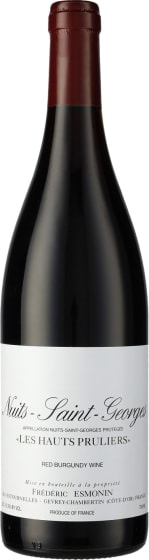
Nuits-St-Georges, Cote de Nuits, Cote d'Or, Burgundy, France ● Pinot Noir
Sold Out - was $58.00
2. Willamette Valley, Oregon
Oregon reads riper and rounder from the first sip. The tannins are softer, and the acidity, though still fresh, sits a little lower, which makes the wine easier to enjoy young.
Fruit takes the lead here. Look for ripe raspberry, black cherry, violet, and baking spice, wrapped in a plusher, more open texture.
Burgundy sorts its vineyards by rank: regional Bourgogne at the base, then village wines, then Premier Cru and Grand Cru at the top. A cru is simply a vineyard a panel judged superior for its soil, slope, and sun. Oregon has no official cru ladder, so it climbs a different way: broad AVA blends at the bottom, single-vineyard bottlings above them.
1. Entry Tier (~$20–$40)
This is where Oregon delivers the most for the money. A regional Willamette Valley Pinot Noir competes hard with entry-level Bourgogne, which often costs more for less ripeness at this level.
Oregon's cost curve stays flattest right here. Land and fruit are cheaper than in Burgundy, and a warmer season means even a value bottle ripens fully. Entry Bourgogne, by contrast, has to fight cool vintages and small margins, so the wine can taste thin for the price.
Lange Winery is a useful marker for the tier. An established Oregon estate can source across the valley, blend for consistency, and keep oak modest, which holds the price down without thinning the wine. At the same price, basic Bourgogne is usually a négociant blend built for volume rather than depth.
Move up and the wines get more specific. Single-vineyard bottlings typically yield 1–2 tons per acre versus 4–6 tons for broader regional blends, and that lower yield concentrates flavor in the glass.
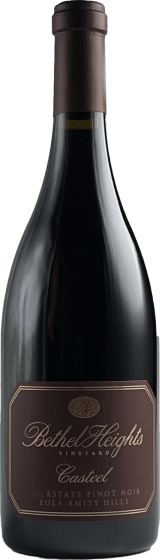
Bethel Heights shows what the tier buys in Oregon: fruit from a named site, tighter selection, and more time in better barrels. In Burgundy, the same money lands a village wine or a modest Premier Cru, such as those from Domaine Henri Prudhon in the Côte de Beaune. You are paying for a smaller, better-defined patch of ground.
Here the two regions start to converge on quality while staying apart on style. A named Oregon vineyard still speaks with riper, more open fruit, and a Côte de Beaune village wine still leads with earth and cut. What the extra money buys at this tier is precision: a wine that tastes of one place rather than a blend of many.
Chassagne-Montrachet, Cote de Beaune, Cote d'Or, Burgundy, France ● Pinot Noir
Sold Out - was $64.00
3. Collectible Tier (~$100+)
At the top, scarcity sets the price. Top Burgundy vineyards yield as little as 35 hectoliters per hectare versus 60 or more for regional appellations, so there is simply less wine to go around. Top Burgundian domaines may release only 200 to 400 cases of a Grand Cru to the entire global market.
That scarcity drives allocation and long waiting lists, and it rewards patience, since these wines are built to age for decades. Oregon's collectible tier works the same way at a smaller scale. A reserve bottling from Domaine Serene concentrates the estate's best fruit, while a Premier Cru monopole from Maison Albert Bichot comes from a single walled vineyard under one owner.
Nuits-St-Georges, Cote de Nuits, Cote d'Or, Burgundy, France ● Pinot Noir
96 Robert Parker
92 Jasper Morris
Sold Out - was $208.00
Oregon And Burgundy At The Table
Both styles are food wines built around acidity, so they behave well at the table. A few simple moves help you get the most from either bottle.
Serving temperature - pour both between 55–60°F, leaning cooler for young Oregon reds and closer to 60 for older Burgundy
Decanting - give a tight young Burgundy 30 to 45 minutes of air, while riper Oregon bottles open faster and need little or none
Food pairings - both love roast chicken, salmon, duck, and mushroom dishes, where their acidity balances fat and echoes earthy flavors
Cellaring and your budget - drink entry-tier Oregon within a few years of buying, but hold Premier and Grand Cru Burgundy 5 to 15 years so the higher price you paid actually pays off
Oregon vs Burgundy Questions, Answered
Is Oregon Pinot Noir As Good As Burgundy?
Quality is high in both regions, so the honest answer is that they taste different, not that one wins. Top Oregon bottlings match top Burgundy for depth and aging, but they show fruit more openly. Burgundy still sets the standard for savory complexity and a certain mineral tension. Which one you prefer depends on the style you enjoy and the meal in front of you.
Is The Difference Terroir Or Winemaking Style?
It is both, working together. Terroir sets the raw material: climate and soil decide how ripe and how structured the grapes arrive. Winemaking then amplifies or restrains that material through stem inclusion, oak, and extraction. A cool Burgundy site pushed toward restraint tastes very different from a warmer Oregon site given riper fruit and more oak. Neither force explains the wine on its own.
Can Oregon Pinot Noir Age Like Burgundy?
The best Oregon Pinot Noir ages well, though its curve runs a little differently. Top single-vineyard and reserve bottlings can hold and improve for 10 to 15 years. Great Burgundy, especially Premier and Grand Cru, can run several decades. Oregon's riper fruit also means many bottles taste good younger, so you feel less pressure to wait.
Why Is Burgundy So Expensive Compared To Oregon?
Supply is the short answer. Burgundy's best vineyards are tiny, tightly classified, and farmed at very low yields, so production stays small while demand is global. Centuries of ranking have also baked scarcity and reputation into the price. Oregon has more room to plant and a shorter history, which keeps even its top wines below equivalent Burgundy. That gap is widest at the entry level and narrows as you climb.
Where To Start With Oregon And Burgundy
For the clearest lesson at the lowest cost, buy an entry-tier Oregon Pinot Noir and an entry Bourgogne and taste them together on a weeknight. For a dinner party, a mid-tier Oregon single-vineyard or a village Burgundy gives you more detail without collector prices. Save the Grand Cru and the reserve magnums for the occasion that earns a bottle you have waited on.
The most useful habit you can build is tasting across both regions and across price tiers. Try the same grape from a maritime and a continental climate, then move up a tier and see what the extra money changes. Your own palate will show you where the value sits.