Left Bank vs. Right Bank Bordeaux, Explained: Soil, Grapes, and Value
In Bordeaux, the word "bank" points to the two sides of the Gironde estuary, the wide tidal waterway that splits the region, and has nothing to do with finance. That single geographic divide decides which grape leads the blend, how the wine tastes, and what it costs. Once you know the split, it becomes far easier to shop Bordeaux with a clear plan instead of guessing at labels.
The Bordeaux Banks at a Glance
The Gironde estuary forms where two rivers join: the Dordogne, flowing in from the east, and the Garonne, flowing up from the south. The Left Bank sits to the west and south of that water, while the Right Bank lies to the north and east. Those few miles of separation produce two red wines that taste and age in very different ways.
Where the Two Banks Divide
The Left Bank follows the Garonne and the western shore of the Gironde, taking in the long Médoc peninsula and the city of Bordeaux itself. The Right Bank spreads across the hills north of the Dordogne, centered on the market town of Libourne. Between the two rivers lies Entre-Deux-Mers, a broad plateau whose name means "between two seas." It is better known for crisp white wine than for the reds that made the banks famous.
Why the Soil Changes the Wine
The Left Bank is built on deep beds of gravel, washed down over thousands of years and piled up along the riverbanks. Gravel drains fast and holds the day's heat into the night. That warmth suits Cabernet Sauvignon, a late-ripening grape that needs every extra degree to finish ripe.
The Right Bank runs on cooler clay and limestone, soils that trap water and stay cool through the season. That ground favors Merlot, which ripens earlier and does its best work where the roots stay damp. The grape follows the soil, and the style follows the grape.
Comparing the Two Banks Side by Side
Each bank gathers a set of appellations that share a soil type and a leading grape. Their names turn up again and again on labels and wine lists, so they are worth learning by heart.
1. The Left Bank
Left Bank reds lead with Cabernet Sauvignon, filled out by Merlot and small amounts of supporting grapes. The key names line up along the Médoc peninsula: Médoc and Haut-Médoc cover the broad zone, while Pauillac, Margaux, Saint-Julien, and Saint-Estèphe are the prized villages within it. South of the city, Graves and its top sub-zone Pessac-Léognan complete the map of Left Bank Bordeaux. These wines are built for the long haul, with firm tannin and a savory core that can hold in the cellar for decades.
Right Bank reds lead with Merlot, lifted by Cabernet Franc and a splash of Cabernet Sauvignon in some blends. The famous names cluster around Libourne: Saint-Émilion and Pomerol set the standard, while Fronsac and the satellite appellations offer the same grapes at gentler prices. Clay and limestone give these wines a plusher, rounder feel that drinks well earlier than most Left Bank reds. That easy approach fuels a myth that Right Bank Bordeaux cannot age, yet the top estates hold and evolve for decades.
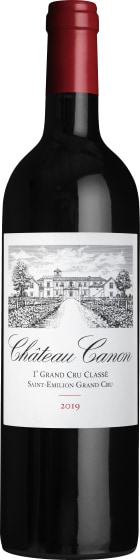
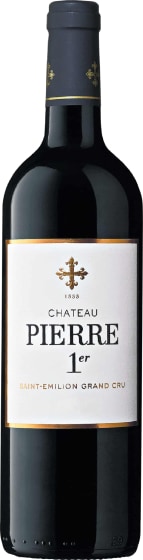
St. Emilion, Bordeaux, France ● Bordeaux Red Blends
98 Decanter
98 Jeb Dunnuck
98 Vinous
97 James Suckling
97 Robert Parker
95 Wine Spectator
Sold Out - was $160.00
How the Two Banks Taste
Left Bank reds arrive with grip and length: cassis, cedar, graphite, and a firm tannin that frames the fruit. Right Bank reds feel softer and rounder, carrying plum and cocoa on a plush, velvety texture. The grape-by-grape split between Cabernet Sauvignon and Merlot drives most of that difference, and you can read the full Cabernet Sauvignon vs Merlot comparison for the deeper flavor breakdown.
Neither bank makes single-grape wine, and the blend is where much of the character comes from. A Left Bank blend typically runs 60 to 80 percent Cabernet Sauvignon, with the balance handed to supporting varieties that each do a specific job. Merlot adds flesh and softens the mid-palate, Cabernet Franc lifts the aromatics with a leafy, floral note, and Petit Verdot deepens color while adding a firm tannic edge in small doses.
That structure shapes how each bank ages. Left Bank tannin needs time to relax, so the wines can taste austere in their youth and reward a decade or more of patience. Right Bank wines carry rounder tannin from the start, which is why they tend to open sooner, though the best still evolve gracefully for years.
Reading the Bordeaux Classifications
The most famous ranking is the 1855 Classification, drawn up for that year's World's Fair in Paris. It sorted the Médoc's leading estates into five tiers, from First Growths down to Fifth Growths, based largely on the prices their wines fetched at the time. The list has barely changed since, which makes it a snapshot of a market frozen more than a century and a half ago.
A First Growth, or Premier Cru, is one of the small group of estates placed in the top tier of the 1855 Classification. The label describes rank, not flavor. It marks the wines that have long commanded the highest prices and the deepest cellars in Bordeaux.
One name breaks the Médoc pattern. Château Haut-Brion sits in Graves, well south of the city, yet it earned a First Growth spot in 1855 alongside the Médoc estates. It remains the only Left Bank First Growth from outside the Médoc, a sign that the 1855 list ranked wines by reputation more than by tidy geography.
The Right Bank keeps its own system. The Saint-Émilion Classification ranks that appellation's estates and, unlike the 1855 list, is revised roughly every decade, so an estate can rise or fall over time. That built-in review keeps it more current than the Médoc ranking, even if the periodic reshuffles have sparked plenty of debate. Pomerol, Saint-Émilion's neighbor, has no official classification at all. Its finest wines earn their standing through reputation and scarcity alone, which has not stopped a few of them from becoming the most sought-after reds in all of Bordeaux.
What to Spend on Bordeaux Right Now
The best value in Bordeaux today sits on the Right Bank and across a handful of value appellations: Cru Bourgeois estates in the Médoc, the satellite Saint-Émilions, and the white wines of Entre-Deux-Mers all deliver approachable quality for the money. Left Bank classified growths, by contrast, carry a collectible premium that reflects scarcity and cellar demand far more than everyday drinkability.
1. Everyday Bordeaux ($20–40)
This is where smart Bordeaux shopping starts. Right Bank Merlot from Fronsac and the satellite Saint-Émilions, along with Cru Bourgeois estates across the Médoc, deliver the classic Bordeaux profile without the classified-growth markup. Château Chasse-Spleen, a long-respected Cru Bourgeois in Moulis, is the kind of estate that shows how much quality this tier can pack into a weeknight bottle.
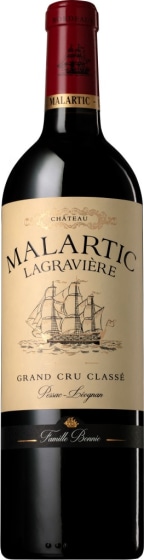
Haut Medoc, Bordeaux, France ● Bordeaux Red Blends
92 James Suckling
$41.99
$41.99
2. Serious Bordeaux ($40–100)
Serious Bordeaux is where the classified estates start to show what the fuss is about. The Super-Second wines of the Left Bank, the estates ranked just below the First Growths, share this band with the classified châteaux of Saint-Émilion. Château Léoville-Las-Cases, a Saint-Julien estate often grouped among the Super-Seconds, sets the benchmark for the tier. The price climbs mainly because these estates farm their best parcels at low yields and age the wine in a high share of new French oak, and both choices add real cost to every bottle.
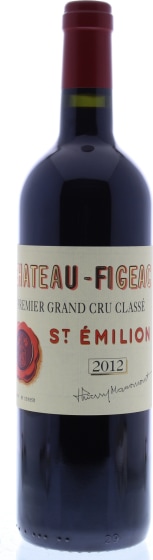
St. Emilion, Bordeaux, France ● Bordeaux Red Blends
95 Jeb Dunnuck
95 James Suckling
94 Robert Parker
94 Wine Enthusiast
Sold Out - was $60.00
3. Collectible Bordeaux ($100+)
Collectible Bordeaux is bought as much for the cellar as for the table. First Growths from the Left Bank, together with blue-chip names from Pomerol and Saint-Émilion, anchor this tier, where scarcity and track record set the price. Château Latour, a Pauillac First Growth, is a classic case: premium Bordeaux at this level often needs 15 to 25 years before it reaches its peak, so the smart move is to buy young and cellar for the long term. That buy-now, drink-later logic is exactly what the Bordeaux Futures program is built for, letting you secure a wine while it still rests in barrel.
Which Bordeaux Bank Is the Better Value Right Now?
For everyday drinking, the Right Bank usually wins on value. Merlot-led wines from Fronsac and the satellite Saint-Émilions offer the plush Bordeaux style at friendly prices, and Médoc Cru Bourgeois estates do much the same on the Left Bank. The classified growths of the Left Bank still command a premium tied to their scarcity and cellar demand. If you want the most quality per dollar today, shop the value appellations on both banks before reaching for a big-name label.
Which Bank's Wines Age Longer?
Left Bank wines are built for the long haul. Their firm Cabernet tannin softens slowly, so top bottles can improve for several decades. The Right Bank is often called the early-drinking side, and its wines do open sooner, but the idea that they cannot age is a myth. Pétrus, the benchmark Pomerol estate, makes Merlot-based wines that hold and evolve for decades, proof that clay and Merlot can cellar with the best of them.
Which Bank Is More Prestigious?
Prestige comes in two forms here. The Left Bank owns the historical spotlight through the 1855 Classification and its First Growths, the names that have topped auction lists for generations. The Right Bank builds its own prestige through the scarcity of tiny Pomerol estates and the top ranks of the Saint-Émilion Classification. Neither bank outranks the other outright: the Left Bank leads on history, and the Right Bank leads on rarity.
What Is Entre-Deux-Mers?
Entre-Deux-Mers is the large stretch of land between the Dordogne and Garonne rivers, and its name means "between two seas." The area is best known for crisp, dry white wines made mostly from Sauvignon Blanc and Sémillon. These whites are some of the best value in all of Bordeaux, ideal for oysters, salads, and easy weeknight pours. While the zone sits between the two famous red-wine banks, its true calling card is white.
How Do I Choose Between Left and Right Bank?
Start with the texture you enjoy. If you like firm, structured reds with grip and savory depth, and you are happy to decant a bottle or cellar it, the Left Bank is your side. If you prefer softer, rounder wines with plush fruit that drink well tonight, reach for the Right Bank. Many drinkers keep both on hand: Left Bank for steak dinners and aging, Right Bank for the nights you want to open something now.
Where to Start with Bordeaux
Keep the divide simple as you shop. The Left Bank means gravel, Cabernet, and structure, the side to reach for when you want a steak-night red or a bottle to cellar for years. The Right Bank means clay, Merlot, and a rounder feel that drinks well sooner, and right now it is also where the strongest value sits, alongside the Médoc's Cru Bourgeois estates.
Both banks are worth exploring, and there is no need to pick a permanent favorite. Wine.com carries Bordeaux across every tier covered here, from Cru Bourgeois value bottles to First Growths and blue-chip Pomerol, so you can taste the two styles side by side and decide for yourself.
The fastest way to learn the difference is to open one bottle from each bank and compare them over the same meal. When you are ready to put the two sides head to head, Browse Bordeaux at Wine.com.