The Italian Wine Guide for Chianti and Pinot Grigio Lovers
Chianti and Pinot Grigio are two of Italy's most familiar wines, and both earn their place. Italy grows hundreds of native grapes across 20 wine regions, so the best Italian wines beyond Chianti are an easy next step, not a gamble. This guide lays out two clear routes: a red path for Chianti drinkers and a white path for Pinot Grigio fans.
Understanding Italian Wine Beyond Chianti
Italy has more native grape varieties than any other country, with hundreds in commercial use across its 20 wine regions. That range is the reason familiarity works as a starting point rather than a ceiling. If you want to understand how these wines behave, a little context goes a long way, though you do not need it to enjoy the bottle in front of you.
Two qualities connect most of Italy's classic wines, and they are the same two you already like. The first is bright acidity: a fresh, mouthwatering snap that keeps a wine lively from the first sip to the last. The second is food-friendliness, which follows directly from that acidity. Wines built this way were made to sit next to a meal, not to be sipped alone.
Chianti gives you this in a red, with tart cherry fruit, a savory edge, and acidity that cuts through a plate of pasta. Pinot Grigio gives you the white version: crisp, dry, and clean. Once you recognize that pattern, the rest of Italy opens up. Dozens of other grapes share the same backbone, then add a new dimension of their own, whether that is deeper fruit, more texture, or a mineral streak.
If You Love Chianti, Try These Italian Reds
Chianti's backbone is Sangiovese, a high-acid red grape with tart cherry fruit and a savory, food-loving character. The reds below share that DNA or match its structure, so each one feels like a step sideways rather than a leap. Tuscany offers the most direct move up in Brunello di Montalcino, and Piedmont answers with the perfume and grip of Nebbiolo. For softer, everyday drinking there is Montepulciano d'Abruzzo, and Sicily brings sun and volcanic soils to its Nero d'Avola and Etna Rosso.
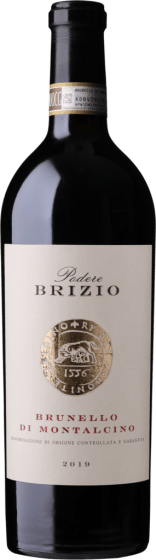
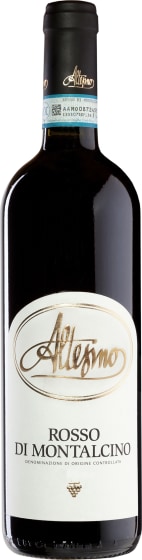
1. Brunello di Montalcino and Rosso di Montalcino
Brunello is Sangiovese grown in Montalcino and given years to develop, which pushes it well past Chianti in depth. Expect dried cherry, leather, tobacco, and warm baking spice, carried by the same bright acidity you already know. This is the special-occasion end of the Sangiovese family, age-worthy and built for a long dinner.
Rosso di Montalcino comes from the same vineyards but is released younger and priced lower. It gives you the Montalcino character in a fresher, more approachable form, an easy $30–$50 introduction to the style.
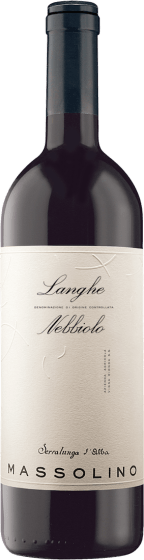
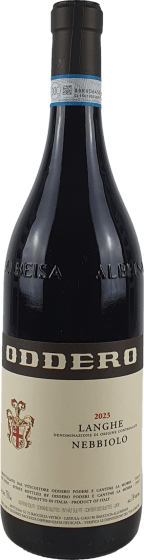
Nebbiolo is Piedmont's great red, the grape behind Barolo and Barbaresco, and it goes by Spanna in the north of the region. In its Langhe bottling it arrives earlier and gentler, which makes it the friendliest way in. The scent is unmistakable: rose and tar.
If you like how Chianti stays savory and firm, Nebbiolo takes that further, with finer tannins and more lift. It rewards a few minutes in the glass, and most bottles land in the $25–$45 range.
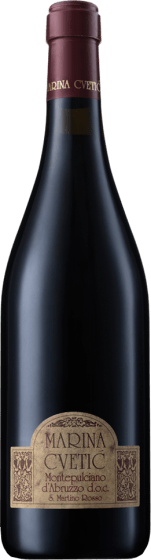
Montepulciano is the grape, Abruzzo is the place, and together they make Italy's great everyday red. The style is softer and rounder than Chianti, with plum, dark cherry, and a dusting of pepper. Tannins stay gentle, so it drinks well young and without fuss.
This is the weeknight bottle, fruit-forward and forgiving with almost any tomato-based dish. Plenty of serious Riserva versions still land under $40.
Sicily gives you two very different reds. Nero d'Avola is the island's sun-soaked workhorse, deeply colored and generous, with blackberry, plum, licorice, and a warm finish. It has more flesh than Chianti but keeps enough acidity to stay food-friendly.
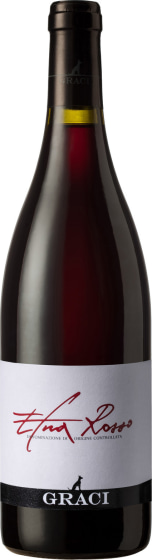
Etna Rosso comes from vineyards on the volcano and is made mostly from Nerello Mascalese. Grown on volcanic soil at altitude, it turns pale and perfumed, closer to Nebbiolo than to a typical southern red. Both sit comfortably in the $25–$50 range.
If You Love Pinot Grigio, Try These Italian Whites
If you love Pinot Grigio, you already know the appeal: crisp, dry, and easy to pour. Our Essential Pinot Grigio Guide covers that grape in full, so here we point you to the next crisp whites worth trying. Start with coastal Vermentino, move to orchard-scented Soave, sharpen up with mineral Gavi, then add texture with Verdicchio.
1. Vermentino
Vermentino grows along Italy's coasts and takes different names as it travels, Pigato in Liguria and Favorita in Piedmont. Wherever it lands, it keeps Pinot Grigio's clean, dry frame and adds a briny lift. Look for citrus, green herb, and a saline snap that tastes like sea air.
Sardinia's versions are fuller and rounder. Ligurian bottlings run leaner and more mineral. Either way it stays refreshing and affordable, mostly in the $18–$35 range.
Riviera Ligure di Ponente, Liguria, Italy ● Vermentino
Sold Out - was $35.00
2. Soave
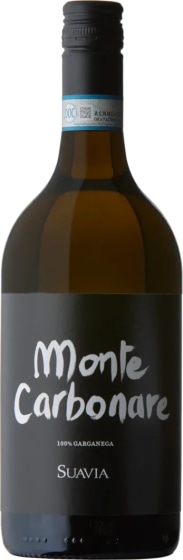
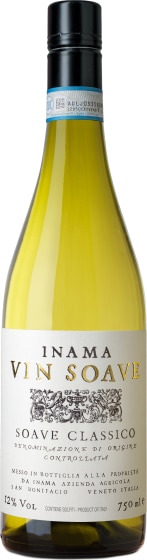
Soave comes from the Veneto and is built on the Garganega grape. It keeps the crisp, dry profile you like in Pinot Grigio, then layers in more depth: ripe pear, white peach, almond, and a touch of chamomile. The best examples carry a gentle, waxy texture that makes them feel more serious.
Look for the Classico designation, which comes from the original hillside zone and tends to show the most character. Most sit in the $18–$40 range.
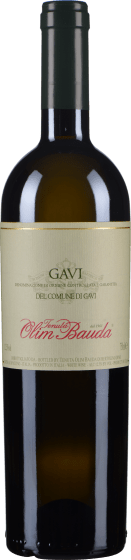
Gavi is Piedmont's answer to a sharp, dry white, made from the Cortese grape. It is bone-dry and precise, with green apple and a chalky mineral edge. If Pinot Grigio sometimes tastes a little soft to you, Gavi delivers more cut and tension.
The wines stay light and low in oak, so the fruit and minerality lead. Bottles labeled Gavi di Gavi come from the heart of the zone and usually run $20–$40.
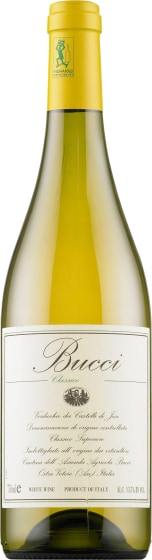
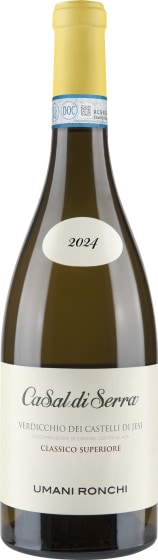
Verdicchio comes from the Marche on Italy's Adriatic side and offers the most texture of this group. It pairs Pinot Grigio's freshness with more weight on the palate, showing lemon, green almond, and a saline finish. There is often a subtle bitter twist at the end that keeps it interesting.
It can handle richer dishes than most crisp whites, yet still tastes light. Value is strong, with excellent bottles in the $18–$35 range.
Italian wine covers every price point, and knowing what each band buys makes the shelf less intimidating. The jump in price usually reflects concrete things: older vines, lower yields, longer aging, and time in barrel. Here is what your money tends to get you.
Everyday (under $20): fruit-forward reds like Montepulciano d'Abruzzo and crisp whites like Vermentino, made for weeknight meals and easy pouring
The explorer's sweet spot ($30–$75): single-vineyard bottlings and Riserva wines, where quality climbs fastest; single-vineyard sites typically yield just 1–2 tons per acre versus 4–6 tons for broad regional blends, which concentrates flavor
Special occasion (over $100): age-worthy reds such as Brunello and Barolo, built to reward the cellar; top examples often need 10–15 years to soften their tannins, and Biondi-Santi, the estate that defined Brunello, remains the benchmark for how long these wines can live
The practical takeaway is simple. Buy everyday and sweet-spot bottles to drink now, and treat the over-$100 reds as wines to cellar and open later.
Italian Wine at the Table
Italy's wines earn their reputation at the table, where their acidity does the real work of resetting your palate between bites. That reset keeps each forkful tasting as good as the first, which is why these bottles rarely feel heavy over a long meal. Match the wine's weight to the dish and you seldom go wrong.
While bold reds get most of the attention, Italy's crisp whites are just as versatile at the table. The trick is to match intensity, pouring lighter wines with lighter plates and firmer reds with richer ones.
Tomato-based pasta and pizza: reach for a high-acid red like Sangiovese or Montepulciano d'Abruzzo, since the wine's acidity mirrors the tomato and keeps everything fresh
Grilled and roasted meats: pour a Nebbiolo or a Riserva red, whose firm tannins stand up to char and fat
Seafood and shellfish: open a coastal white like Vermentino or Gavi, where the saline edge echoes the brine on the plate
Roast chicken and lighter poultry: choose a Soave or Verdicchio, which has enough body to match without overwhelming
Aperitivo and salads: start with a chilled Gavi or Vermentino for a clean, dry opener
Common Questions About Italian Wine
If I Like Chianti, What Italian Red Should I Try Next?
Start with Montepulciano d'Abruzzo for an easy, fruit-forward red that drinks well any night. If you want a step up in depth, move to Brunello di Montalcino, which is Sangiovese given more age and structure. For something in between, Langhe Nebbiolo offers Chianti's savory acidity with more perfume. All three keep the bright, food-loving character you already enjoy.
If I Like Pinot Grigio, What Italian White Should I Try?
Vermentino is the natural first move, crisp and dry like Pinot Grigio but with a briny, citrusy lift. Soave adds orchard fruit and a soft almond note if you want a little more depth. Gavi goes the other direction, sharper and more mineral for drinkers who like real cut. Verdicchio sits between them, fresh but with more texture on the palate.
Is Chianti the Same as Sangiovese?
Not exactly, though the two are closely linked. Sangiovese is the grape, and Chianti is the Tuscan region where it grows. A wine labeled Chianti is made mostly from Sangiovese, but the same grape appears under other names and in other regions across Italy. So every Chianti is Sangiovese-based, but not every Sangiovese is a Chianti.
What's the Difference Between Chianti and Chianti Classico?
Chianti and Chianti Classico both come from Tuscany, but Chianti Classico is the smaller, original zone in the hills between Florence and Siena. Its wines tend to be more concentrated and structured, with stricter production rules. Regular Chianti covers a wider area and is often lighter and more everyday in style. If you want the benchmark version, look for the Classico label and its black rooster seal.
What Foods Pair Best With These Italian Wines?
These wines were built for the table, so pairing is easy. High-acid reds like Sangiovese and Nebbiolo love tomato sauce, grilled meats, and hard cheeses. Crisp whites like Vermentino and Gavi shine with seafood. Fuller whites like Soave and Verdicchio suit roast chicken and creamy dishes. As a rule, match lighter dishes with lighter wines and richer plates with firmer reds.
Where to Start with Italian Reds and Whites
You now have a simple cheat sheet. Reach for Montepulciano d'Abruzzo on a weeknight, open a Brunello for a special dinner, and pour a chilled Vermentino when there is seafood on the table. Each one starts from something you already like and adds a new dimension.
Trying several at once is the fastest way to find your favorites. Wine.com stocks Italian wine from every region covered here, across every price band, plus curated discovery sets like a Tour of Italy flight that lets you taste the range in one order.
Every red and white in this guide is a click away, ready whenever you are. When you want to explore the full range, Browse Italian Wine at Wine.com.