How To Choose Vegan White Wine
White wine is the category where vegan choices get complicated. Most wines go through a clarification step called fining, and white wines rely on animal-derived fining agents more often than reds. Wine labels almost never disclose which fining agents were used, so choosing a vegan white requires knowing what to look for beyond the front label.
How Fining Works (And Why Whites Get It More)
Fining is a winemaking step that removes microscopic particles from wine before bottling. Winemakers add a fining agent that binds to unwanted proteins, tannins, or sediment, then settles to the bottom of the tank for removal. The agent itself is filtered out and does not remain in the finished wine, but it does come into contact with the liquid during processing.
White wines need fining more frequently than reds for a specific reason. Heat-unstable proteins in white wine can form a visible haze or cloud, especially when the bottle is stored at warmer temperatures. Fining removes those proteins to keep the wine crystal clear. Red wines, by contrast, are fined primarily to stabilize color and soften harsh tannins, a step many red winemakers skip entirely.
The fining agents that create the vegan problem are animal-derived. Isinglass, made from fish swim bladders, is a traditional choice in white wine production because it clarifies effectively. Casein, a protein from milk, serves a similar purpose. Egg whites are used more often in red wines for tannin management, but they appear in white winemaking too. Vegan alternatives exist and work well. Bentonite, a type of clay, is the most widely used plant-friendly fining agent. Pea protein and potato protein have also been developed as replacements. Producers who use these alternatives can label their wines vegan-friendly.
What "Unfined" and "Unfiltered" Actually Mean
An unfined wine skips the fining step entirely, meaning no animal-derived agents were added during production. This makes most unfined wines vegan by default, though it is worth confirming that no animal products were used elsewhere in the process. An unfiltered wine skips mechanical filtration, a separate step that removes remaining particles after fining.
The two terms often appear together on labels, especially among producers aligned with the natural wine movement. Natural winemakers tend to avoid fining agents and heavy filtration, preferring to let the wine settle and clarify on its own over time. A slight haze or cloudiness in these wines is normal and does not indicate a flaw. It simply means the wine was bottled with its natural texture intact, which some drinkers prefer for the added body and complexity it contributes.
How To Tell If a White Wine Is Vegan
1. Certifications That Guarantee Vegan Status
Third-party certifications are the most reliable way to confirm a wine is vegan. Four organizations dominate this space, and each requires producers to verify that no animal-derived ingredients were used at any stage of production.
BevVeg specializes in vegan beverage certification and has become increasingly common on wine labels. The Vegan Society trademark, recognizable by its sunflower logo, certifies products across categories and carries weight internationally. Certified Vegan from Vegan.org applies a similar standard and is widely recognized in North America. V-Label, administered by the European Vegetarian Union, is a widely used certification on wines from European producers.
Any of these logos on a bottle means the winemaking process has been independently verified as free from animal-derived fining agents and other animal products. Certification remains the fastest way to confirm vegan status without researching the producer's methods yourself.
2. Label Cues When There's No Certification
Most vegan-friendly wines do not carry a formal certification. In those cases, the back label and technical details offer the next best clues.
The words "unfined" or "unfiltered" on a label strongly suggest the wine was made without animal-derived processing agents. Some producers print "vegan-friendly" or "suitable for vegans" on the back label, though these self-declarations are not third-party verified. Wines labeled organic or natural are more likely to be vegan, since minimal-intervention winemaking tends to avoid animal-based fining. These labels are not guarantees of vegan status, however, because organic certification covers grape-growing practices, not winemaking additives.
3. Tools for Checking Any Bottle
When label information falls short, a few resources can help. Barnivore maintains a searchable database of thousands of wines, beers, and spirits with vegan status verified through direct contact with producers. Many wineries publish technical sheets on their websites that list fining agents used for each vintage. Contacting the winery directly by email or through their website is a straightforward option when other sources come up empty.
Vegan White Wine by Varietal
Not every white grape variety is equally easy to find in vegan form. Some varietals are produced with vegan-friendly methods more often than others, thanks to how each grape responds to different clarification techniques. Here are four white varietals where vegan options are widely available.
1. Sauvignon Blanc
Sauvignon Blanc is one of the easiest white varietals to find in vegan form. Its naturally high acidity and aromatic intensity mean many producers rely on bentonite clay rather than animal-derived agents for clarification. Bentonite is effective at removing the heat-unstable proteins that cause haze without dulling the bright citrus, green apple, and grassy notes that define the variety.
New Zealand's Marlborough region has become well known for vegan Sauvignon Blanc, with a growing number of producers committing to plant-based fining. Loire Valley producers in France and cool-climate vineyards in Chile and South Africa also offer a growing selection of vegan-friendly bottlings.
-
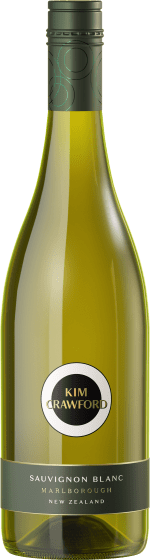 Marlborough, New Zealand ● Sauvignon Blanc
-
James
Suckling
$14.97$14.97 -
James
-
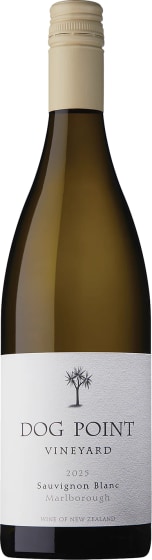 Marlborough, New Zealand ● Sauvignon Blanc
-
James
Suckling -
Robert
Parker -
Wine
Spectator
$29$24.97 -
James
2. Pinot Grigio / Pinot Gris
Known as Pinot Grigio in Italy and Pinot Gris in France and Oregon, this variety produces clean, crisp whites that many modern producers leave unfined. The grape tends to clarify well on its own with simple cold settling, reducing the need for fining agents in many cases.
Italian producers in the Alto Adige and Friuli regions are known for minimal-intervention approaches that often align with vegan-friendly production. Oregon's Willamette Valley, where the grape goes by Pinot Gris, has also embraced minimal-intervention approaches that skip animal-derived fining. The result is a style that ranges from light and zesty to richer and more textured, depending on the producer's approach.
-
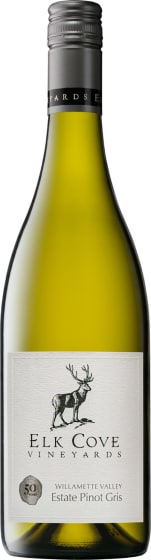 Willamette Valley, Oregon ● Pinot Gris/Grigio
-
Wilfred
Wong -
Robert
Parker
$22$17.99 -
Wilfred
-
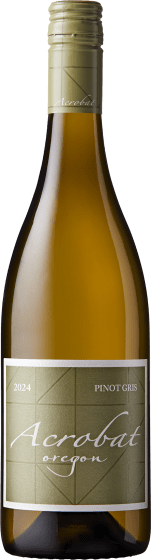 Oregon ● Pinot Gris/Grigio
-
Tasting
Panel -
James
Suckling -
Wine
Enthusiast
$14.97$14.97 -
Tasting
3. Riesling
Riesling is a naturally aromatic grape, and many producers skip fining entirely to preserve its distinctive floral and stone-fruit character. Fining agents can strip delicate aromatic compounds along with the targeted proteins, so winemakers working with expressive Riesling fruit often prefer to let the wine settle naturally rather than risk losing what makes the variety special.
German and Alsatian Rieslings range from bone-dry to off-dry, and vegan options exist across the sweetness spectrum. The variety's high natural acidity acts as a preservative, which means producers can achieve stability without heavy processing. Australian Clare Valley and Eden Valley Rieslings are also worth exploring, as the region's producers tend toward lower-intervention winemaking.
-
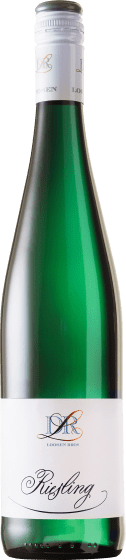 Mosel, Germany ● Riesling
-
Wine
Spectator
$12.97$12.97 -
Wine
-
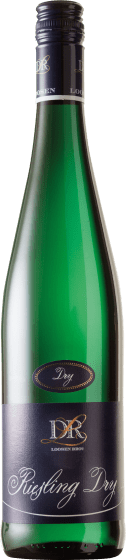 Mosel, Germany ● Riesling$12.97$12.97
4. Chardonnay
Chardonnay is the most variable white variety when it comes to vegan status. The grape's versatility means it is produced in a wide range of styles, and each style involves different processing decisions that affect whether animal-derived agents enter the picture.
Unoaked and minimal-intervention Chardonnays are more likely to be vegan. These wines are often clarified with bentonite or left unfined, preserving a clean, fruit-forward profile. Barrel-aged Chardonnays present a different challenge, because oaked whites sometimes undergo egg-white fining to smooth texture and integrate oak flavors. If you prefer a richer, oak-aged style, look for producers who specifically note vegan-friendly practices or use clay-based fining for their barrel-fermented wines.
-
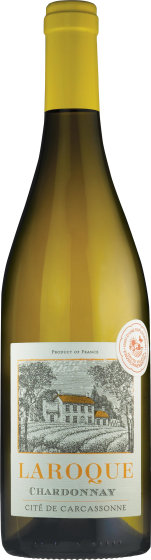 Languedoc, South of France, France ● Chardonnay
-
Wine
Enthusiast
$35$16.99 -
Wine
-
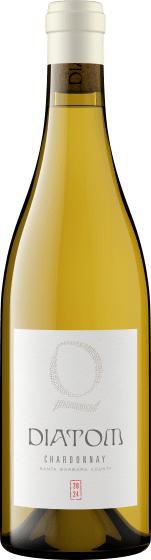 Santa Barbara, Central Coast, California ● Chardonnay
-
Jeb
Dunnuck -
James
Suckling -
Wine
Spectator -
Wine
Enthusiast -
Robert
Parker
$27$19.97 -
Jeb
What To Eat With Vegan White Wine
White wines pair well across the table, whether the meal is plant-based or not. Match the wine's weight and intensity to the dish for the best results.
- Crisp Sauvignon Blanc or dry Riesling with light, bright dishes: grilled vegetables with herb chimichurri, sushi rolls, ceviche, goat cheese salad, or a Thai green curry with tofu
- Off-dry Riesling with spiced or aromatic food: vegetable pad Thai, roasted squash with chili flakes, Szechuan mapo tofu, or glazed root vegetables with ginger
- Textured Pinot Grigio/Gris with grain bowls and Mediterranean plates: farro salad with roasted peppers, white bean and artichoke stew, mushroom risotto, or grilled halloumi with lemon
- Fuller Chardonnay with richer preparations: pasta with cashew cream sauce, roasted cauliflower steaks with brown butter, corn chowder, or lobster with drawn butter for omnivore tables
- Sparkling or pétillant naturel as a starter: marinated olives, bruschetta with heirloom tomatoes, edamame, or fried artichoke hearts
Vegan White Wine at Every Price
The difference between a $12 vegan white and a $35 one often shows up first on the palate as texture. Less expensive bottlings tend to be clean, straightforward, and refreshing. Wines at higher price points generally reflect more careful site selection and longer time developing in tank or barrel before bottling.
1. Under $15
Everyday vegan whites in this range deliver reliable quality for weeknight meals and casual gatherings. New Zealand's Marlborough region produces some of the most consistent vegan Sauvignon Blancs at this price, with Villa Maria's Private Bin bottling serving as a strong example. Bentonite fining is common among the region's producers, making vegan options widely available at the entry level.
-
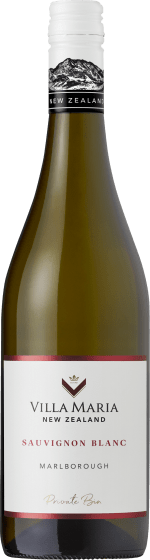 Marlborough, New Zealand ● Sauvignon Blanc
-
Wilfred
Wong
$17$14.97 -
Wilfred
-
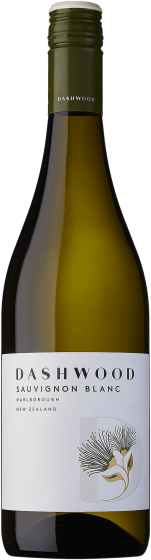 Marlborough, New Zealand ● Sauvignon Blanc
-
James
Suckling
$14.97$14.97 -
James
2. $15–$30
Mid-range vegan whites show more complexity and regional character. At this level, you start to see single-vineyard bottlings, lower-yield fruit, and more deliberate winemaking decisions. Producers in this range often use extended lees contact to build texture, a technique that adds richness without relying on animal-derived processing.
-
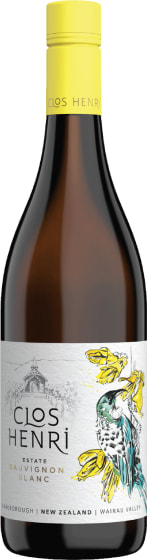 Marlborough, New Zealand ● Sauvignon Blanc
-
James
Suckling -
Robert
Parker -
Wilfred
Wong
$34.99$34.99 -
James
-
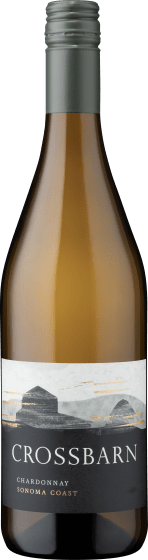 Sonoma Coast, Sonoma County, California ● Chardonnay
-
James
Suckling -
Jeb
Dunnuck -
Wine
Enthusiast -
Robert
Parker
$35$24.97 -
James
3. Over $30
Premium vegan whites reflect minimal-intervention winemaking at its most precise. At this tier, producers are making active choices to avoid animal-derived agents as part of a broader philosophy of letting the vineyard site express itself without heavy processing. Chablis producers in Burgundy, for instance, are known for favoring bentonite fining to preserve the mineral tension their limestone soils deliver. The result is a style where clarity comes from careful viticulture and patient cellar work rather than aggressive fining.
-
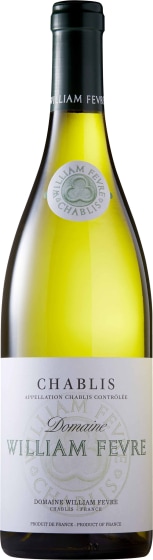 Chablis, Burgundy, France ● Chardonnay
-
Jasper
Morris -
James
Suckling -
Robert
Parker
Sold Out - was $54.00 -
Jasper
-
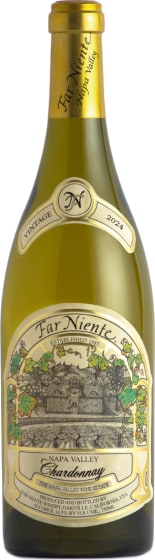 Napa Valley, California ● Chardonnay
-
James
Suckling -
Wine
Enthusiast -
Wine
Spectator
$76$59.99 -
James
Vegan White Wine Questions, Answered
Is Organic Wine the Same as Vegan Wine?
No. Organic certification applies to how grapes are grown, covering pesticide use, fertilizers, and vineyard management. Vegan status refers to how the wine is made after harvest, specifically whether animal-derived fining agents are used during clarification. A wine can be certified organic and still be fined with isinglass or casein, making it non-vegan. Conversely, a conventionally farmed wine can be vegan if the producer uses bentonite or skips fining entirely. The two labels address different stages of the production process and are independent of each other.
Does Choosing Vegan Change How the Wine Tastes?
Fining affects clarity and stability, not the core flavor profile of a wine. The grape variety, growing region, climate, and winemaking decisions like fermentation temperature and oak aging determine what the wine tastes like. Some drinkers report that unfined wines have a slightly fuller texture or more body, but the difference is subtle. Choosing vegan does not mean compromising on taste or quality in any meaningful way.
Are All Natural Wines Vegan?
Most natural wines are vegan, but the category does not guarantee it. Natural winemakers generally avoid fining agents and heavy processing, which means animal-derived products rarely enter the picture. However, "natural wine" has no legal definition or binding certification in most markets. A producer using the term could still choose to fine with egg whites or isinglass in a particular vintage. Confirming vegan status directly with the producer or checking a resource like Barnivore remains the safest approach.
Can I Trust "Vegan-Friendly" on a Wine Label?
It depends on whether the claim is self-declared or certified. Labels carrying a recognized certification mark from BevVeg, The Vegan Society, Certified Vegan, or V-Label have been independently verified. A producer printing "vegan-friendly" without one of these logos is making an unaudited claim. This does not mean the claim is false, as many honest producers simply have not pursued formal certification. However, certified labels provide a stronger assurance, especially when you are unfamiliar with the producer.
Are Sulfites a Vegan Concern?
No. Sulfites in wine are sulfur dioxide, a mineral-derived compound used as a preservative throughout the winemaking process. They have no connection to animal products and do not affect a wine's vegan status. Nearly all wines contain some level of sulfites, whether added by the winemaker or produced naturally during fermentation. A wine can be both vegan and contain sulfites without any contradiction.
Finding Your Vegan White Wine
For a crisp Sauvignon Blanc with summer appetizers, a textured Chardonnay alongside pasta, or a dry Riesling to cut through a spicy stir-fry, vegan whites fit the same occasions and pairings as any other white wine. The key details to remember: look for certifications like BevVeg or The Vegan Society on the label, treat "unfined" as a strong vegan signal, and check Barnivore when the bottle does not make its status clear.
Vegan-friendly winemaking has expanded rapidly across every major white wine region and price point. Marlborough Sauvignon Blancs, Oregon Pinot Gris, German Rieslings, and California Chardonnays all include producers who have committed to plant-based or no-fining methods as a standard part of their process.
Wine.com carries thousands of white wines from producers around the world, including a growing selection made with vegan-friendly practices. Browse Vegan Wines at Wine.com to find bottles that match your taste, your table, and your values.