Dessert Wine Pairing, Explained: Styles, Sweetness, and What to Pour with Every Fruit Dessert
Dessert wine pairing is the practice of matching a sweet wine to a sweet dish so neither one flattens the other. The tricky part with baked fruit desserts is that the same fruit behaves differently depending on how it's used: a peach folded into a buttery pie crust tastes nothing like a peach resting on a light sponge cake, and the wine has to answer both. This guide gives you a simple framework for reading any fruit dessert and reaching for the right bottle.
Dessert Wine at a Glance
A dry table wine holds under 10 grams of sugar per liter, while a true dessert wine can carry 50 to 400 or more. That gap is the whole game. The cardinal rule of dessert wine pairing is that the wine must be at least as sweet as the dessert. When the plate out-sweets the glass, the wine turns thin and sour and loses its fruit.
Three main families cover almost every sweet bottle you'll meet. Late-harvest wines come from grapes left on the vine to ripen past normal harvest, which concentrates their sugar; Riesling, Gewürztraminer, and Semillon are the classics. Fortified wines have a splash of grape spirit added during fermentation, which stops the process and leaves natural sugar behind: Port, Sherry, and Madeira lead this group. Sweet sparkling wines, such as Moscato d'Asti and demi-sec Champagne, bring bubbles and a lighter touch.
The sweetness rule: your wine should taste as sweet as your dessert, or sweeter. Break it and the wine falls apart on your tongue.
Sweetness is only the first dimension. The second is weight and texture. A dense pecan pie needs a richer, heavier wine to stand beside it. A delicate fruit tart wants something lighter that won't bury the pastry. Matching the body of the wine to the body of the dessert is what turns a decent pairing into a seamless one.
How Sweetness and Acidity Work Together
Sugar gets the attention, but acidity does the quiet work. A wine like Riesling carries bright, mouthwatering acidity that slices through a buttery pie crust and resets your palate between bites. Without that lift, a sweet wine on a sweet dessert can feel heavy and cloying after two forkfuls.
Acidity also decides how much sweetness a dessert can take. A tart rhubarb pie has its own sharp edge, so it pairs happily with a wine that isn't drowning in sugar. A sugar-heavy peach cobbler, by contrast, needs a genuinely sweet wine to keep pace, or the wine will taste sour against all that ripe fruit.
The Best Dessert Wines for Fruit Pies
The gap between pairing wine with apple pie and pairing it with berry pie starts in the fruit itself: its natural acidity, and the way an oven caramelizes and deepens its sugars. A pie crust adds butter and richness that a wine has to cut through. Read the dominant fruit first, then match its intensity and weight.
1. Apple and Pear Pies
Baked apple and pear develop caramelized sugars and soak up warm baking spice like cinnamon and nutmeg. Those flavors find a natural partner in the honey and stone-fruit character of late-harvest Riesling and Gewürztraminer. The wine's sweetness echoes the caramelized fruit while its acidity keeps the crust from feeling heavy.
Chenin Blanc is an underrated match here, especially in its Vouvray moelleux form. Moelleux is simply the French word for a sweet, honeyed style, and it brings quince and baked-apple notes that mirror the pie almost exactly.
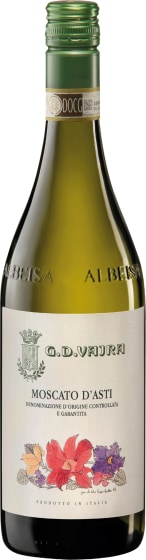
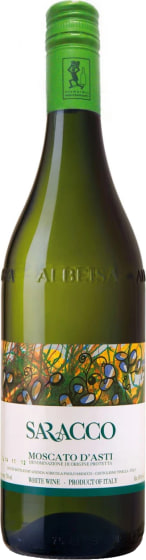
Berry pies want a wine that matches the fruit's intensity but stays light on its feet. Brachetto d'Acqui, Moscato d'Asti, and late-harvest rosé all bring red-berry sweetness without heavy body. A blueberry pie leans darker and jammier, a blackberry filling turns more brambly and tart, and a mixed-berry cobbler splits the difference, so a fruit-forward, lower-alcohol wine flatters all three.
Sparkling options earn their place with a dense filling. The bubbles push against the weight of the baked fruit and add a textural contrast that a still wine can't.
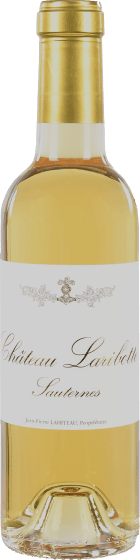
Peach, apricot, and plum desserts share a lush, juicy character that the right wine can echo directly. Late-harvest Muscat, Sauternes, and botrytized Semillon all carry ripe stone-fruit and honeyed notes that line up with the filling. Botrytis is a beneficial mold known as noble rot; it shrivels the grape and concentrates its sugar into something deep and apricot-scented.
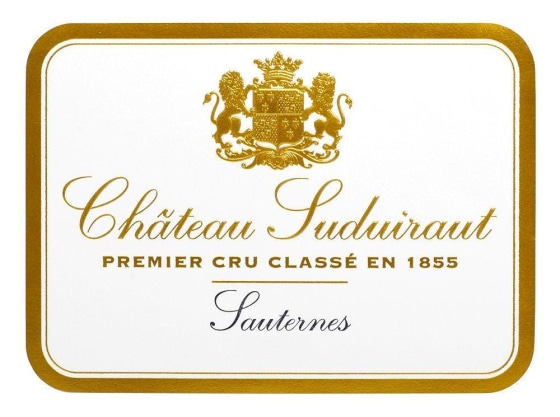
A good Sauternes does more than match the sweetness. Its layered peach, marmalade, and honey flavors sit right alongside a warm stone-fruit cobbler and make the pairing feel effortless.
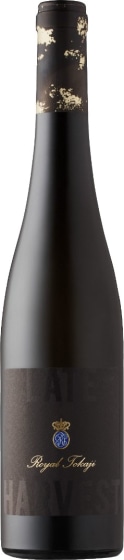
Lemon meringue and key lime pie live and die on acidity, so they need wines with matching brightness. Late-harvest Riesling, Eiswein (ice wine, made from grapes frozen solid on the vine before pressing), and Tokaji all pair sweetness with enough zip to keep up with the citrus. Reach for ice wine when you want a concentrated, laser-focused sweetness that still tastes fresh.
Skip fortified wines with these desserts. Port and Madeira carry too much weight and warmth for a bright, tangy citrus filling and will smother it. Mango and passion fruit tarts follow the same logic in summer: lean, aromatic, high-acid wines let the tropical fruit sing.
Cakes carry more butter, flour, and structural weight than pies. That shift moves the pairing question away from matching the fruit and toward matching the cake's texture and richness. A featherlight sponge and a dense holiday fruitcake sit at opposite ends of that scale, and the wine has to travel with them.
1. Light Fruit Cakes (Angel Food, Sponge, Génoise)
Angel food, sponge, and Génoise are built on air, then topped with fresh fruit and a little cream. A wine with the same lightness keeps the whole plate from feeling weighed down. Moscato d'Asti and demi-sec sparkling wines fit perfectly, since their gentle fizz matches the cake's airiness bubble for bubble.
Pavlova works the same way. Its crisp meringue shell and soft fruit topping ask for a delicate, lightly sweet sparkler, not anything rich or heavy.
2. Rich Fruit Cakes (Pound Cake, Upside-Down Cake, Fruitcake)
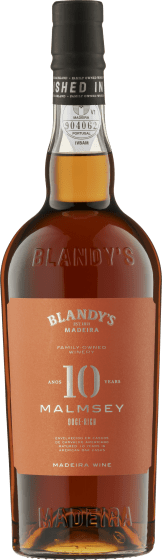
Dense, buttery cakes need wines with real weight to answer their richness: Sauternes, Tawny Port, cream Sherry, or Malmsey Madeira. Fortified means a grape spirit was added to boost strength and preserve sweetness, and both Sherry and Madeira are oxidative styles, meaning they're deliberately exposed to air during aging to build nutty, caramelized, dried-fruit flavors. Those savory-sweet notes are exactly what a heavy cake wants beside it.
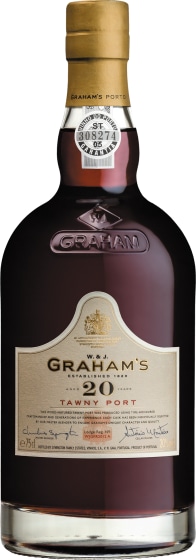
Holiday fruitcake is the ultimate test, packed with dried fruit, candied peel, and warm spice. Tawny Port meets it beautifully. Tawny's sweetness lines up with the cake's sugar, and that same sweetness balances the saltier, more bitter notes of nuts and peel, which is why it shines with almond and walnut cakes and rich, sweet-and-savory flavors. Vintage Port can age 50 or more years in bottle, but Ruby and Tawny styles are designed to drink younger, so a Tawny is ready to pour the moment your fruitcake comes out of the tin.
Buttercream and cream-cheese frostings pile a layer of dairy richness on top of the cake itself. That extra fat calls for a wine sweet and aromatic enough to cut back through it, with enough acidity to keep the pairing from turning heavy, which makes ice wine and a Sicilian passito strong matches. A passito is made from grapes dried until their sugars concentrate into an intensely sweet wine, and the version from the island of Pantelleria brings honeyed apricot and candied-orange notes with a fresh acidity that slices right through cream cheese and buttercream.
Strawberry shortcake sits between a cake and a fresh-fruit dessert. Its biscuit, berries, and whipped cream reward a wine with bright fruit and a touch of sweetness rather than heavy syrup.
A few practical habits make dessert wine easier to serve well. Keep these in mind whether you're opening one bottle or building a small collection for the season.
Serving temperature: serve all dessert wines chilled, roughly 45–55°F, with lighter and sparkling styles at the cooler end and richer fortified wines closer to the top
Pour size: plan on 2–3 oz per person, since these wines are rich and meant to be sipped slowly rather than drunk by the glassful
The versatile three-bottle collection: one late-harvest Riesling for fruit pies and citrus desserts, one Moscato d'Asti for berry desserts and light cakes, and one Tawny Port for rich cakes, nut desserts, and chocolate
When to pour: serve the dessert wine alongside the dessert, not after it, so the flavors meet on your palate at the same time
Sparkling as a wild card: a demi-sec Champagne or Crémant flexes across many dessert types and makes a reliable single-bottle solution when you don't want to commit to a style
Quick Answers on Dessert Wine Pairing
What Wine Pairs Best with Fruit Pie?
Late-harvest Riesling is the most versatile choice for fruit pie. The trick is to match the wine's fruit profile to the pie's dominant fruit. Apple and pear pies call for wines with honey and stone-fruit notes. Berry pies work with lighter, fruitier options like Moscato d'Asti or Brachetto d'Acqui. Start with Riesling if you want one bottle that handles most of the table.
Can You Pair Sparkling Wine with Dessert?
Yes, as long as the sparkling wine is sweet enough. Demi-sec Champagne, Moscato d'Asti, and Asti Spumante all carry enough residual sugar to stand up to fruit desserts. Their bubbles cut through buttery pastry and refresh your palate between bites. A bone-dry brut, on the other hand, will taste sharp and sour against anything sweet.
Should Dessert Wine Be Sweeter Than the Dessert?
Yes, and this is the one rule not to break. The wine should be at least as sweet as the dessert, or a touch sweeter. If the dessert out-sweets the wine, the wine tastes thin and sour and loses all its fruit. When in doubt, err toward the sweeter bottle.
What Wine Goes with Fruitcake?
Rich fruitcake, with its dried fruit and warm spice, pairs best with fortified wines: Tawny Port, Oloroso Sherry, or Malmsey Madeira. Their oxidative, nutty character mirrors the cake's dried fruit and caramel flavors. The wine's weight also keeps pace with the cake's density, so neither one gets lost.
What Is the Difference Between Dessert Wine and Regular Wine?
Dessert wines carry much higher residual sugar than table wines. They get that sweetness through late harvesting, botrytis (the noble rot that concentrates sugar), freezing the grapes for ice wine, or fortification, which adds grape spirit to stop fermentation early. Most dessert wines run from 50 to 400 or more grams of residual sugar per liter, versus under 10 for a dry table wine. That concentration is why you sip them in small pours.
Your Next Bottle
Three ideas carry you through almost any fruit dessert. Keep the wine at least as sweet as the plate, lean on acidity to cut through butter and cream, and match the weight of the wine to the weight of the dessert. Put them together and the choices get concrete fast: an apple pie at Thanksgiving wants a late-harvest Riesling, a summer berry cobbler wants a Moscato d'Asti, and a holiday fruitcake wants a Tawny Port.
The fastest way to learn your own preferences is to experiment on familiar ground. Take a dessert you make often and pour one dessert wine style you've never tried beside it, then notice what the pairing does to both.
Wine.com's dessert wine selection runs the full range this guide covers, from a lightly fizzy Moscato d'Asti to a deep, nutty Tawny Port, with late-harvest Riesling, Sauternes, and ice wine in between. When you're ready to stock up for the season, Browse Dessert Wines at Wine.com.