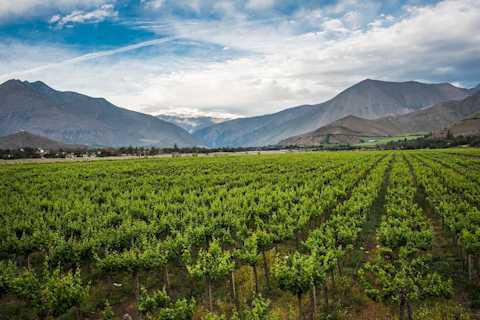
Most wine drinkers assume Malbec means Argentina. Chile grows the same grape under different conditions, producing a leaner, more lifted style that most drinkers have never tried. The diversity across Chilean valleys is worth exploring.
What Makes Chilean Malbec Different
The Pacific shapes Chilean wine more than any other single factor. The cold Humboldt Current sweeping up from Antarctica keeps coastal valleys temperate even at the height of summer, while cold air drains down from the Andes each night, widening the diurnal temperature swing and preserving acidity in grapes that ripen under intense midday sun. Where Argentine Malbec from Mendoza tends toward plush dark fruit, velvety texture, and chocolate notes, Chilean Malbec runs leaner and more lifted, with brighter acidity, firmer tannins, and more mineral or herbal character.
Blending plays a role in shaping the final wine. Premium Chilean Malbec may include Carménère, Syrah, or Cabernet Sauvignon as supporting varieties to build structure and extend aging potential. Chile follows the EU's 85% labeling rule, meaning a bottle labeled "Malbec" can include up to 15% of these supporting grapes. Carménère adds green pepper and herbaceous complexity, Syrah contributes black pepper and floral lift, and Cabernet Sauvignon firms up the tannin backbone. These choices shape texture as much as flavor.
Chilean Cabernet Sauvignon remains the country's flagship red, especially from Maipo Valley, where high-altitude sites produce structured, age-worthy wines that can compete with Napa's best. Malbec occupies a smaller but distinct niche, offering the structure of Chilean Cabernet Sauvignon with softer edges and more floral aromatics. For drinkers exploring South American wines, Chilean Malbec sits between Argentina's plush ripeness and Chile's Cabernet-driven precision.
Inside the Glass: Chilean Malbec
Chilean Malbec is a dry wine. Ripe fruit flavors can read as sweetness on the palate, but the finish is savory, not sugary.
On the nose, expect dark plum and blackberry with violet and black pepper threading through. Some bottles show an earthy, herbal quality that recalls dried oregano or bay leaf. On the palate, the wine delivers moderate tannins with a streak of mineral tension and fresh acidity that carries the fruit through a clean finish. The texture tends toward medium-bodied rather than full, with a lifted quality that keeps the wine from feeling heavy. That balance of ripe fruit and fresh acidity is the signature that sets it apart from richer Argentine bottlings.
Alcohol levels typically range from 13.5% to 14.5% ABV, lower than many Argentine counterparts that push toward 15%. The cooler growing conditions preserve natural acidity while allowing the fruit to ripen fully, giving Chilean Malbec its combination of ripe flavor and fresh structure.
Chilean Malbec by Region
Chile's wine country runs as a narrow corridor between the Andes and the Pacific, each valley shaping Malbec differently. Three appellations produce the most interesting examples.
1. Colchagua Valley
Colchagua sits in the southern half of the Rapel region, where coastal fog and Andean night cooling intersect. The valley is best known for Carménère and Cabernet Sauvignon, but its Malbec shows ripeness tempered by mineral grip. Soils range from clay to decomposed granite depending on elevation, which gives producers room to make several different styles within a short drive. Wines from Colchagua tend to balance dark fruit with savory, earthy undertones and moderate tannins. The Apalta sub-zone, with its horseshoe of sun-exposed slopes, produces particularly concentrated reds. Viu Manent has been a consistent producer of structured Colchagua Valley wines for decades, and the valley remains the source of most premium Chilean Malbec.
2. Maule Valley
Maule is Chile's largest wine region by acreage and its oldest in terms of vine heritage. The valley includes old dry-farmed vineyards on granite slopes, many planted before irrigation became standard. These secano, or unirrigated, vineyards produce wines with particular intensity and regional character. Maule's climate shifts from warm in the central plains to cooler toward the coast, offering a range of styles from ripe and open to firm and savory. Malbec grown here tends toward rusticity: firmer tannins, more pronounced structure, and a mineral backbone that rewards a few years of bottle age. The cooler sites yield more restrained, floral expressions of the grape.
Vine age matters in Maule more than in younger regions. Older plantings still produce in some estates, their low yields concentrating flavor in ways that young vineyards cannot replicate. The resulting wines show depth that justifies patience, and a few years in bottle often reveals secondary notes of dried herbs and tobacco that were only hinted at on release. For value-minded drinkers, Maule is where Chilean Malbec earns its reputation.
3. Maipo Valley
Maipo is essentially red wine country, best known for Cabernet Sauvignon that competes with Napa's best. Malbec plays a supporting role here, often appearing in blends or as a single-varietal bottling from estates exploring the variety. In Puente Alto, where vineyards climb the Andean foothills, chilly mornings and poor soils produce wines with notable structure and mineral definition. Maipo Malbec tends to be more austere than its Colchagua counterpart, with firmer tannins and a savory edge. It reads as a discovery pick: if you already know Maipo for Cabernet, its small-production Malbec is worth watching as more estates plant the grape at elevation.
Chilean Malbec at Every Price
Chilean Malbec typically costs less than its Argentine equivalent at similar quality levels. The smaller production scale and lower global demand keep prices accessible across tiers, which makes the category a rewarding place to explore without overspending.
1. Under $15: Everyday Chilean Malbec
Entry-level Chilean Malbec comes from younger vines and sees minimal oak. Stainless steel fermentation and short aging preserve fresh fruit character without adding much complexity. These wines are fruit-forward and easy-drinking, built for weeknight dinners rather than contemplation. Higher yields and simpler winemaking keep costs down, which is exactly what this tier is designed to do. Most bottles are made to open and pour without decanting, so they suit casual occasions more than careful study. Think of them as the Tuesday-pasta or weekend-cookout end of the category.
2. $15–$30: Mid-Range Chilean Malbec
This tier is where Chilean Malbec delivers its strongest value. Barrel aging appears, typically a mix of French and American oak for 8 to 12 months, and reserve designations signal lower yields with more careful fruit selection. Vine age climbs too, with some bottlings drawing from plantings 20 to 30 years old. That extra concentration shows up in both texture and length.
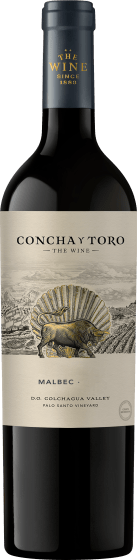
Concha y Toro, Chile's largest winery, anchors the accessible end of this range, while smaller Maule estates push toward the firmer, old-vine style. Expect genuine regional character and balanced oak: enough wood to add spice and grip, not so much that it buries the fruit. Both Colchagua and Maule are well represented at this price, one leaning riper and rounder, the other firmer and more mineral.
-
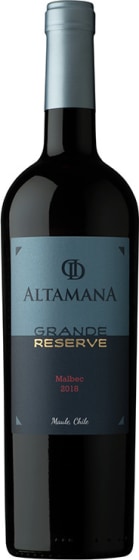
Maule Valley, Chile ● Malbec
-
Colchagua Valley, Rapel Valley, Chile ● Malbec
3. $30 and Up: Premium Chilean Malbec
Premium Chilean Malbec comes from limited-production sites with older vines and longer barrel aging. Oak programs shift toward a higher percentage of new French barrels, and new French oak runs about $1,200 per barrel, a cost that lands directly in the bottle price. Single-vineyard bottlings at this level often yield just 1 to 2 tons per acre, versus 4 to 6 tons for broader regional blends, which concentrates flavor and raises the price. Blending with Carménère or Syrah adds complexity and extends aging potential. The price reflects vine age, barrel investment, and time in bottle before release. Production is small at this level, sometimes a few hundred cases from a single hillside, so these bottles can be harder to find and worth grabbing when they appear. They also age the longest, holding for five to eight years and often improving across that window.
Food Matches for Chilean Malbec
Chilean Malbec's higher acidity and leaner profile make it a versatile food partner. Its freshness allows it to work with dishes that might overwhelm a heavier Argentine Malbec. Serve at 60–65°F to preserve the wine's lifted aromatics and keep the tannins from feeling coarse.
- Grilled meats: The wine's herbal notes and moderate tannins complement lamb and beef without fighting for attention
- Empanadas: A natural regional pairing that works with beef, pork, or vegetable fillings
- Roasted vegetables: Caramelized eggplant, peppers, and root vegetables meet the wine's earthy, savory side
- Aged cheeses: Manchego or Pecorino match the wine's savory undertones and tannic grip
- Chilean seafood stews: Caldillo de congrio and similar shellfish and white-fish stews work with the wine's acidity and herbal lift rather than against it
Chilean Malbec Questions, Answered
Is Chilean Malbec Dry or Sweet?
Chilean Malbec is a dry wine. The ripe fruit flavors, including dark plum and blackberry, can taste sweet on the first sip, but the finish is savory. Residual sugar levels are negligible. If you enjoy dry reds with fruit-forward character, Chilean Malbec fits the profile.
How Does Chilean Malbec Compare to Argentine Malbec?
Argentine Malbec tends toward plush, velvety texture with pronounced dark fruit and chocolate notes, shaped by Mendoza's high altitude and sunny days. Chilean Malbec runs leaner and more lifted, with brighter acidity, firmer tannins, and more mineral or herbal character. The Pacific influence keeps Chilean versions fresher at the table. The two styles are complementary: Argentina delivers richness, Chile delivers freshness.
What Country Has the Best Malbec?
Argentina leads in volume and reputation, and Mendoza alone produces more Malbec than Chile's entire wine output. That said, best depends on what you want from the glass. If you prefer plush, ripe fruit and velvety texture, Argentina delivers. If you want brighter acidity, firmer structure, and herbal lift, Chilean Malbec is worth seeking out.
Can You Age Chilean Malbec?
Entry-level bottles drink well on release and over the following one to three years. Mid-range and premium Chilean Malbec can develop for five to eight years, especially bottlings with higher tannin levels and blending components. Store age-worthy bottles at a consistent temperature away from light. The wine's natural acidity helps it hold together, though the fruit tends to evolve toward dried and savory notes rather than expanding in complexity.
Your Chilean Malbec Starting Point
Chilean Malbec pairs well with grilled meats or roasted vegetables on a weeknight, offers a leaner alternative to Argentine Malbec for drinkers who find Mendoza bottlings too rich, and delivers genuine regional character in the $15–$30 range where value is strongest. Those three ideas are enough to shop with confidence.
From everyday Colchagua reds to premium old-vine Maule bottlings, Chilean Malbec spans a wider range than most drinkers expect. The mid-range tier offers the best entry point, with enough complexity to be interesting and enough freshness to be versatile at the table.
Start with a mid-range bottle from either valley and taste the two styles side by side. Browse Chilean Malbec at Wine.com