The Cabernet and Pinot Noir Guide for New Wine Drinkers
Cabernet Sauvignon and Pinot Noir are the two most popular red wine grapes in the world, and they sit at opposite ends of the red spectrum. One is bold and firm, the other is light and delicate. The right pick comes down to your own taste and the occasion in front of you.
Understanding Cabernet Sauvignon and Pinot Noir
A few plain words make red wine much easier to talk about. Body is how heavy or light a wine feels in your mouth, the way cream feels heavier than skim milk. Tannin is the dry, grippy feeling on your gums after a cup of strong tea or black coffee. Acidity is the tart brightness that makes your mouth water, the same lift you get from a squeeze of lemon.
Cabernet Sauvignon comes from Bordeaux in western France, while Pinot Noir comes from Burgundy, a little to the east. That shared home country is where the family resemblance ends. Most premium Napa Cabernets include 5–15% Merlot, Cabernet Franc, Petit Verdot, or Malbec, and those supporting grapes round out the texture and soften the wine's firm edges. Burgundy takes the opposite path. Its Pinot Noir is bottled as 100% Pinot Noir, so nothing is added to smooth over the grape's naturally delicate character.
What Makes Cabernet Sauvignon Bold
Cabernet Sauvignon grapes are small, with thick, dark skins. Those skins hold most of a red wine's color and tannin, so more skin means more grip and a fuller body. A glass of Cabernet feels weighty in the mouth, with a firm, drying finish that stays with you after you swallow. The grape also thrives in warm, sunny spots, which ripens the fruit and adds to that deep, powerful flavor.
What Makes Pinot Noir Delicate
Pinot Noir grapes are thin-skinned and famously fussy to grow. Less skin means less tannin and a lighter body, so the wine feels soft and silky rather than firm. Those thin skins also bruise and rot easily, which is why the grape needs cooler, careful sites and often costs more to farm. The flavors lean toward bright red fruit, and the gentle grip makes Pinot an easy pour for anyone who finds bigger reds too heavy.
What Cabernet and Pinot Noir Taste Like
Put the two side by side and the difference is easy to taste. Both are made in a dry style, which means the grape sugar has fermented into alcohol, so neither one tastes sweet. Pinot Noir can still come across as fruitier, which people sometimes mistake for a touch of sweetness.
1. Cabernet Sauvignon
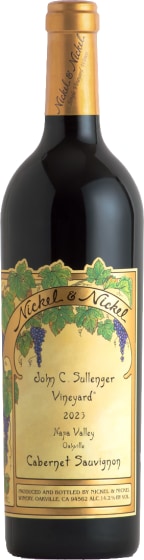
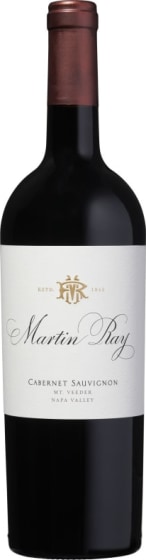
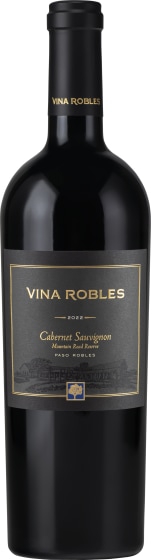
Cabernet Sauvignon tastes of blackcurrant and cedar, with deeper notes of plum, black cherry, and a hint of tobacco. The tannins are firm, so the wine leaves a dry grip that lingers on the sides of your tongue. Warm regions like Napa Valley in California push the fruit riper and the body fuller, while cooler Bordeaux stays more savory and herbal. Give the wine a few minutes in the glass and the grip tends to relax, letting the darker fruit come forward. This is the red to open when the meal is rich and the flavors on the plate are big.
Oakville, Napa Valley, California ● Cabernet Sauvignon
99 Tasting Panel
96 Robert Parker
95 Jeb Dunnuck
95 James Suckling
$140
$119.99
2. Pinot Noir
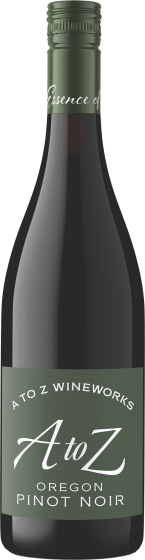
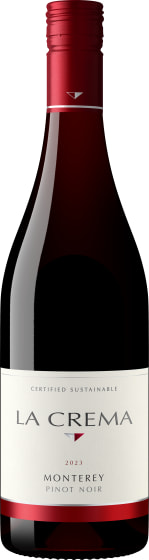
Pinot Noir leans toward red cherry and raspberry, with a subtle earthy note that some people call forest floor or mushroom. The tannins are soft, so the wine feels smooth and light across the tongue. Cool regions like Willamette Valley in Oregon, along with Burgundy and parts of Sonoma, give the grape its bright, high-acid style. That built-in acidity keeps the wine feeling fresh and food-friendly rather than heavy. This is the red for lighter meals and easy weeknights, and it rarely overwhelms the food beside it.
Price mostly reflects how the wine was farmed and aged, not a brand's reputation. Take the barrels. A new French oak barrel, the wooden cask that gives wine its vanilla and baking-spice notes, runs $1,200 or more, and each one flavors only a few hundred bottles. Cheaper wines reuse older barrels or skip new oak entirely, which keeps both the cost and the flavor simpler.
1. Everyday Bottles (Under $25)
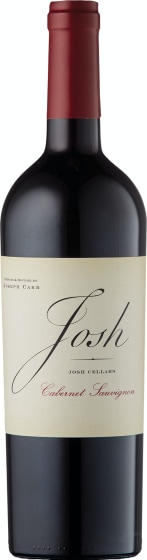
Everyday bottles come from large wineries that farm many acres and sell in big volume. That scale keeps prices low, which is how a large producer like Kendall-Jackson can offer a ripe, fruit-forward red for a weeknight price. These wines are made to drink tonight, not to store away. They are the easy choice for a casual dinner, a game night, or your very first taste of a new grape.
Step up to the middle range and the wines come from smaller lots and better vineyard blocks. A label like Decoy farms cooler, hillside sites where the grapes ripen slowly and taste more concentrated. You also get some new oak here, which adds a layer of spice and a smoother finish. These are the bottles to bring to a weekend dinner with friends or to pour at a small celebration. You often notice the difference in the texture, which feels a bit more polished than an everyday pour.
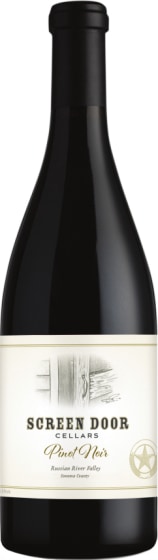
Russian River, Sonoma County, California ● Pinot Noir
92 Tasting Panel
92 Wilfred Wong
Sold Out - was $40.00
3. Special-Occasion ($60 and Up)
At the top tier, the wine usually comes from a single vineyard, one prized plot of land rather than a broad regional blend. These plots are cropped hard on purpose. A single-vineyard bottling often yields just 1–2 tons of grapes per acre, versus 4–6 tons for everyday blends, so every vine pours its flavor into far fewer bottles. A benchmark estate like Opus One in Napa charges more for that low yield, plus years of aging and a full run of new French oak. Save these bottles for an anniversary, a holiday table, or a milestone gift.
Fort Ross-Seaview, Sonoma Coast, Sonoma County, California ● Pinot Noir
99 James Suckling
96 Jeb Dunnuck
96 Robert Parker
95 Wine Spectator
$109.99
$109.99
What to Eat with Cabernet and Pinot Noir
Food is where these two reds show their split personalities. Cabernet's firm tannin needs fat and protein to soften against, while Pinot's lighter body flatters gentler dishes. Match the weight of the wine to the weight of the plate and you will rarely go wrong.
Steak: The classic first-steak-night pairing, since the meat's fat softens Cabernet's grip and lets the dark fruit come forward
Lamb: Roast lamb is rich enough to stand up to a full-bodied Cabernet, which makes it a natural choice for a Sunday dinner with family
Hard cheese: Aged cheddar or Parmesan brings salt and fat that balance the drying tannin in a big red
Salmon: A rare win for red wine with fish, because Pinot's bright acidity and soft tannin flatter salmon's oily texture instead of clashing with it
Roast chicken: Weeknight roast chicken and Pinot Noir make an easy, low-stakes match that suits almost any casual dinner
Mushroom dishes: Pinot's earthy side echoes the savory flavor of mushrooms, so a mushroom risotto or tart is a fine pick for meat-free nights
A few serving basics help both wines taste their best. Serve them slightly below room temperature, around 60–65°F, and reach for a large, round glass that gives the aromas room to open up. If a bottle feels too warm, a short rest in the fridge brings it back into range.
Cabernet and Pinot Noir Questions, Answered
Which Is Sweeter, Cabernet Sauvignon or Pinot Noir?
Neither one is sweet the way a dessert wine is. Both are made dry, so the grape sugar has been turned into alcohol during fermentation. Pinot Noir often tastes fruitier thanks to its bright red-cherry flavor, and that fruitiness can trick the palate into sensing sweetness. Cabernet leans darker and more savory, which reads as less sweet even though the actual sugar levels are similar.
Which One Is Better for Someone New to Wine?
There is no single right answer, because it depends on what you already enjoy. If you like bold, full flavors and often order a rich main course, Cabernet is a comfortable place to begin. If you prefer lighter drinks and gentler food, Pinot Noir tends to feel friendlier at first sip. Trying one of each over a couple of dinners is the fastest way to learn your own taste.
Which Red Wine Is Smoother to Start With?
Pinot Noir is usually the smoother of the two. Its thin skins give it soft, gentle tannin, so it lacks the drying grip that can catch new drinkers off guard. Cabernet feels firmer and more drying, a quality some people love right away and others need time to warm up to. For a first red that goes down easy, Pinot is the safer bet.
Which One Ages Longer?
Cabernet Sauvignon is built to age longer than Pinot Noir. Its high tannin and firm structure act like a natural preservative, letting the wine soften and grow more layered over many years in the bottle. Pinot Noir has less tannin, so most bottles taste best while they are still young and fruity. For everyday buying, both grapes are made to drink soon after you bring them home, and only special bottles are worth setting aside.
Is Cabernet Sauvignon or Pinot Noir Healthier?
The two are very close, and the difference is too small to matter much. Most of the calories in any dry red wine come from alcohol, so wines with similar alcohol levels land in a similar range. Cabernet is often a touch higher in alcohol, which can nudge its calories up slightly, though the gap stays minor. Choose based on flavor and the meal in front of you, not on a health scorecard.
Where to Start with Cabernet and Pinot Noir
You now have a simple cheat sheet to carry into the store. Reach for Pinot Noir with salmon or a weeknight roast chicken, and open Cabernet when there is steak or lamb on the table. Start with an everyday bottle to get to know the grape, then trade up to a weekend or special-occasion wine when the moment calls for it.
Tasting your way across both grapes is the real fun, and you have plenty of room to explore. Wine.com carries more than 16,000 wines, which covers every price tier and region mentioned here and many more besides.