The Essential Chardonnay Guide: Burgundy and California
The old shorthand says California Chardonnay is oaky and Burgundy is lean, but that map stopped matching the territory years ago. Both wines come from the same grape, and the differences you taste come from place and winemaking choices rather than the fruit itself. Across their sub-regions, Chardonnay shifts from flinty and taut to round and creamy, sometimes on the same stretch of coast.
Chardonnay at a Glance
A cool Chablis vineyard and a sun-warmed Napa hillside grow the identical grape, yet the wines can taste like distant cousins. Chardonnay is the grape variety. Burgundy, or Bourgogne in French, is the region in eastern France where that grape has grown for centuries. When you see a bottle labeled white Burgundy, you are looking at Chardonnay, because the region names its wines for the place rather than the grape.
This matters for one reason: blending is not what sets these wines apart. Both white Burgundy and California Chardonnay are almost always 100% Chardonnay, with no other grape shaping the mix. What changes the wine is where the grapes grow and how the winery treats them after harvest. Climate sets the raw material, and the cellar decides how much oak and richness to layer on top.
How Climate Shapes the Grape
Grapes make sugar as they ripen, and they lose acidity as they warm. Burgundy sits far north, with a cool continental climate of chilly nights and a short growing season. Grapes there ripen slowly and hold onto their sharp, mouthwatering acidity, which gives white Burgundy its tension and lower alcohol. In cooler vintages, the fruit can taste closer to green apple and lemon than to anything tropical.
California runs warmer, with more sun and longer, drier days. That heat pushes grapes to fuller ripeness, so the fruit flavors lean toward peach, melon, and pineapple. Higher sugar at harvest also means higher alcohol once the wine is fermented. The same grape simply arrives at the winery in two very different states.
Why Oak and Malolactic Change the Taste
After fermentation, two cellar choices do most of the work in shaping texture and flavor. The first is oak. New oak barrels add vanilla, toast, and a broader, rounder feel, while older neutral barrels and stainless steel keep the wine tighter and let the fruit stay in focus. A winery chasing a rich style reaches for new barrels; one chasing purity uses neutral wood or steel.
The second choice is malolactic fermentation, a natural process that converts sharp malic acid into softer lactic acid. It is what gives some Chardonnay that buttery, creamy note. Winemakers can also stir the spent yeast, or lees, back through the wine during aging, which adds a fuller texture and a faint bready character. Block these steps and you get flint and citrus; allow them fully and the wine turns toward cream and butter.
How Each Style Tastes
Put the two styles side by side and the contrast shows up in the first sniff. The differences trace straight back to climate and cellar work, not to the grape itself.
Classic white Burgundy: citrus, wet stone, and green apple, with a chalky, almost saline finish
Classic California Chardonnay: ripe pear, pineapple, and lemon curd, framed by vanilla and a soft, creamy weight
Chablis at the lean end: taut lemon and oyster-shell sharpness, with little to no oak influence
Napa at the rich end: baked apple, butterscotch, toasted oak, and a full, mouth-coating body
The old stereotype freezes these styles in place, but the wines have been moving toward each other for years. Many California producers now pick earlier and cut back on new oak, which yields fresher, tighter Chardonnay that leans Burgundian. Warmer vintages in Burgundy, meanwhile, have nudged some of its wines toward riper fruit. The line between the two is now a spectrum, and plenty of bottles land somewhere in the middle.
White Burgundy by Region
Burgundy runs from north to south, and its white wines shift character with the latitude. These white Burgundy bottles range from steely and taut in the north to round and generous in the south.
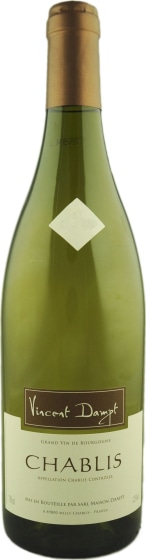
1. Chablis
Chablis sits at the northern edge of Burgundy, its coolest corner. Chardonnay grows here on ancient limestone and clay packed with fossilized seashells, a soil the French call Kimmeridgian. Most Chablis sees little or no new oak, so the fruit stays sharp and the wine carries a flinty, saline edge. Drinkers often say it tastes faintly of the sea. It is the clearest case of Chardonnay shaped by its vineyard more than by any cellar trick, and for anyone who thinks all Chardonnay is buttery, it rewrites the definition.
The Côte de Beaune, farther south, is home to some of the most celebrated white wines on earth. Villages like Meursault, Puligny-Montrachet, and Chassagne-Montrachet built their reputations on Chardonnay aged in oak barrels, often with time on the lees for added texture. These wines marry ripe orchard fruit with a firm mineral spine, and the best of them gain nutty, honeyed depth over a decade or more in the cellar. This is the benchmark that ambitious Chardonnay producers everywhere try to match, and the wines are built to age.
Savigny-les-Beaune, Cote de Beaune, Cote d'Or, Burgundy, France ● Chardonnay
91 Jasper Morris
Sold Out - was $81.00
3. Mâconnais
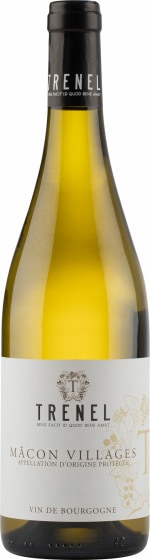
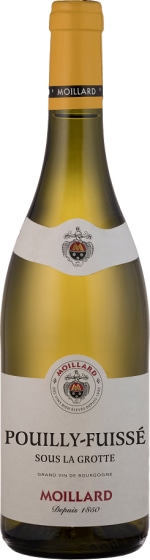
The Mâconnais sits at Burgundy's warm southern end, and its wines show it. Chardonnay ripens more fully here, giving rounder, softer whites with gentle orchard fruit and less of the north's steely bite. Names to know include Mâcon-Villages for easygoing everyday drinking and Pouilly-Fuissé for a step up in richness and depth. For anyone curious about white Burgundy without the Côte de Beaune price tag, this is the smart place to begin. The style is approachable, but the pedigree is real.
Pouilly-Fuisse, Maconnais, Burgundy, France ● Chardonnay
91 Wine Enthusiast
Sold Out - was $45.00
California Chardonnay by Region
California Chardonnay comes in every style imaginable, and geography is the key. Cooler coastal sites and warmer inland valleys pull the grape in opposite directions, sometimes only a few miles apart.
1. Sonoma Coast
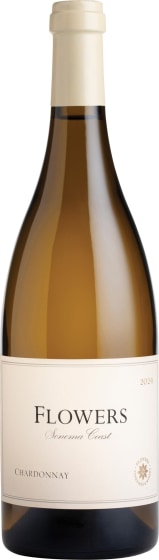
The Sonoma Coast hugs the Pacific, where morning fog and cool ocean air slow ripening to a crawl. That long, gentle growing season keeps acidity high and alcohol in check, so the wines lean fresh, taut, and citrus-driven. Many producers here work with restraint, using older barrels and picking earlier to chase a Burgundian sense of tension. If you want a California Chardonnay that drinks like white Burgundy, this coastline is the first place to look. It is the strongest evidence that California makes lean, mineral Chardonnay every bit as well as the rich and oaky kind.
Sonoma Coast, Sonoma County, California ● Chardonnay
91 Wine Spectator
90 Vinous
Sold Out - was $40.00
2. Carneros
Carneros straddles the southern edges of Napa and Sonoma, cooled by breezes off San Pablo Bay. The climate here sits in the middle: warm enough to ripen fruit fully, cool enough to hold acidity in balance. The result is a crowd-pleasing style with ripe apple and citrus, a hint of cream, and enough freshness to stay lively. It is the classic California Chardonnay profile, neither austere nor heavy. For many drinkers, this balanced middle ground is exactly what they picture when they think of the grape.
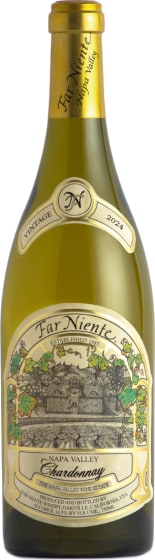
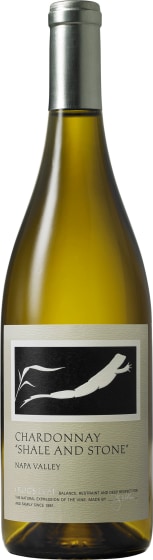
Napa Valley is best known for red wine, but its warmer sites also produce the rich, full-bodied Chardonnay that defined the California style for a generation. More sun and heat push fruit to generous ripeness, and winemakers often frame it with new oak and full malolactic fermentation. Expect bold flavors, a creamy weight, and a rounded, almost plush texture. This is Chardonnay at its most indulgent, made for drinkers who love the grape's richer side. It sits at the opposite pole from a steely Chablis, and both are the same grape.
Price gaps in Chardonnay are not random. They trace to how much a vineyard produces, what happens in the cellar, and how many bottles ever reach the market.
Under $30: everyday Chardonnay lives here, from Mâcon-Villages to widely available California bottlings made in larger volumes
$30–$75: village-level white Burgundy and single-vineyard California wines, where better sites and more careful oak aging show
$75+: premier and grand cru Burgundy plus flagship California Chardonnay, priced by scarcity as much as by craft
Two forces drive the cost of premium wine. Yield comes first: top Burgundy vineyards yield as little as 35 hectoliters per hectare, versus 60 or more for regional appellations. Lower yields mean fewer, more concentrated bottles from the same patch of land. Oak is the second force, since new French oak barrels run $1,200 or more each, and a cellar that buys fresh barrels every year folds that expense into every bottle. A domaine like Domaine des Comtes Lafon in Meursault farms tiny, low-yielding plots and ages its wines in fresh oak, which is much of why its whites command grand cru prices.
Scarcity finishes the job. Top Burgundian domaines may release just 200 to 400 cases of a grand cru to the entire global market, so demand far outstrips supply and prices climb. California plays by gentler rules, with more land and larger production, which is why even its flagship wines often cost less than comparable Burgundy. A benchmark producer like Kistler shows what the top California tier delivers: cool-climate fruit, careful barrel work, and a waiting list, yet still priced below grand cru white Burgundy. Spend more and you are usually paying for smaller vineyards and rarer bottles as much as for higher quality.
What to Eat with Each Style
Chardonnay is one of the most food-friendly white wines, but the two styles want different plates. Match the wine's weight to the dish and both taste better.
Chablis and lean white Burgundy: oysters, raw shellfish, and briny starters, where high acidity and a saline edge echo the sea
Côte de Beaune whites: roast chicken, creamy risotto, or mushroom dishes that stand up to the wine's fuller texture
Sonoma Coast and cool-climate California: grilled white fish, scallops, and light pasta, matching fresh acidity with clean flavors
Napa and rich California Chardonnay: lobster with drawn butter, creamy sauces, and roasted root vegetables that meet the wine's weight
A rich, oaky Chardonnay next to spicy Thai food sounds like a clash. In practice, the wine's creamy weight tames the heat, so it holds up better than most drinkers expect.
Common Questions About Chardonnay
Are Burgundy and Chardonnay the Same Thing?
Not exactly, but they are closely linked. Chardonnay is a grape variety, while Burgundy is a wine region in eastern France. Almost all white wine from Burgundy is made from Chardonnay, which is why the two terms get used interchangeably. When someone offers you a white Burgundy, they are pouring Chardonnay grown on French soil. The region simply labels its wines by place instead of by grape.
Is California Chardonnay Always Oaky and Buttery?
No, and that stereotype is increasingly out of date. Plenty of California Chardonnay is still rich, oaky, and creamy, and many drinkers love it that way. But a growing number of producers now pick earlier, use less new oak, and make fresher, leaner wines. Cooler regions like the Sonoma Coast lead this shift toward restraint. Today the state offers everything from bold and buttery to crisp and mineral.
Why Is White Burgundy More Expensive Than California Chardonnay?
The main reason is scarcity. Burgundy's best vineyards are small, tightly regulated, and held in place by centuries of tradition, so production stays low. Low yields and expensive oak aging add to the cost, and global demand for a limited supply pushes prices higher still. California has more land and makes wine on a larger scale, which keeps prices more accessible. In Burgundy, much of the price reflects rarity as much as what is in the glass.
What Does "Burgundian Style" California Chardonnay Mean?
It describes California wine made to echo the restraint of white Burgundy. Winemakers chasing this style pick grapes earlier to keep acidity high, and they lean on older, neutral oak instead of new barrels. The goal is a leaner, more mineral wine with less overt vanilla and butter. You will find these bottles most often in cool coastal areas like the Sonoma Coast. Think of it as California fruit filtered through a French sensibility.
Where to Start with Chardonnay
A few ideas make Chardonnay easy to navigate. Climate and oak drive the split between lean and rich, so a cool site with neutral barrels gives you flint and citrus, while a warm site with new oak gives you butter and tropical fruit. For value, start with the Mâconnais on the Burgundy side or the Sonoma Coast in California, both of which deliver character without the top-tier price. And when you do trade up, the premium bottles earn their cost through scarce vineyards and painstaking cellar work.
You do not have to choose one side of the Atlantic. Wine.com carries more than 16,000 wines, with deep selections of both authentic white Burgundy and California Chardonnay at every price level. That range makes it easy to taste the two styles against each other and decide which speaks to you.
The best way to understand the difference is to pour them side by side. Browse Chardonnay at Wine.com and pick one bottle from each region for your own comparison.