The 5 Recent Bordeaux Vintages to Cellar for Five Years
Most Bordeaux advice assumes a long horizon, urging collectors to bury bottles for fifteen or twenty years before the first pull. Plenty of recent Bordeaux drinks well inside a five to seven year window, across both banks and every price tier. The vintages, blends, and tiers that reward the shorter wait are more varied than that long-horizon reputation suggests.
Cellaring Recent Bordeaux at a Glance
Young Bordeaux carries firm tannin and bright acid that need time to settle. Over about five years, tannin loses its grip, primary fruit turns from fresh to savory, and the parts knit together. How fast that happens depends less on the estate than on what fills the bottle.
Blend composition sets the pace. Bordeaux Left Bank blends typically run 60–80% Cabernet Sauvignon with the balance in supporting varieties, which builds a firmer spine and a longer runway. The Right Bank inverts the logic, leading with Merlot, so those wines tend to soften earlier and drink sooner. Cabernet Franc adds lift and aromatic detail, Petit Verdot deepens color and firms the backbone, and Merlot fills the mid-palate with flesh that rounds the edges faster. A blend heavy in Cabernet asks for more patience, while one led by Merlot gives it back sooner.
Drinking window: the span of years when a wine shows its best balance of fruit, structure, and complexity. Open it before the window and the tannins dominate. Wait past it and the fruit fades.
Which Recent Vintages Suit a Five-Year Window
The five most recent Bordeaux vintages split cleanly by structure. A ripe, generous year like 2020 flatters early, while a cooler, tighter year like 2021 wants to be caught young before its lighter frame thins out. That split decides where the five-year window falls for each one.
1. 2019
2019 balances ripeness and freshness with unusual poise. The tannins are ripe but firm, and the acid keeps everything lively rather than heavy. Left Bank bottles built on Cabernet will hold their shape across the full five to seven year window, while Merlot-led cuvées open a little sooner. This is a vintage that rewards patience without demanding it, giving depth by year five and holding steady well beyond. For a mid-term cellar, it is one of the safest recent bets.
2. 2020
2020 leans ripe and generous, with plush fruit and softer edges from the start. That flesh makes the Merlot-driven cuvées approachable well inside five years. The riper profile means acid sits lower, so these wines feel open and giving earlier than a classic vintage would. Left Bank wines still carry enough structure to reward a few years of rest, but the pleasure arrives fast. Drink the generous bottlings first and let the firmer ones wait.
3. 2021
2021 came from a cooler season, and it shows in the wine. The frame is lighter and the proportions are classic, with modest ripeness and fresh acidity. These are not blockbusters, and they were never meant to be. The lighter structure suits a shorter window, so catch them in the early part of the five-year span while the fruit stays vivid. Wait too long and the slender frame can turn lean.
4. 2022
2022 is powerful and tightly structured, with dense tannin and deep concentration. The top wines are built for the long haul and will still be closed at five years. For a five-year window, the smart play is value bottlings and second wines, which carry the vintage's quality on a more approachable frame. Those will round into form within the span, while the flagship bottles reward a longer hold. Buy across the tier and you cover both timelines.
5. 2018
2018 produced dark, structured wines with ample ripeness and grip. Several years on, the entry and mid-tier bottles are rounding into form now, their tannins shifting from firm to supple. This is the most ready of the five for near-term drinking at the accessible end. The higher tiers still have room to develop, but the everyday and mid-range bottles are hitting a sweet spot. Start here if you want Bordeaux to open this year.
What to Spend on Cellar-Worthy Bordeaux
The gap between a $30 Bordeaux and a $300 one traces to a few concrete drivers: where the fruit comes from, how the wine is aged, and how long it can hold. Those same drivers sort Bordeaux into three price tiers, and each tier keeps to its own timeline.
1. Accessible: Cru Bourgeois and Petits Châteaux ($25–$50)
The accessible tier draws from Cru Bourgeois estates and the many Petits Châteaux across the Médoc and its satellites. These wines source from good but not first-rank vineyards and age mostly in used or neutral oak, which keeps costs down and softens the tannin quickly. Château Loudenne and Château Potensac both show what this tier does well: honest Left Bank structure that turns supple within a few years. They are built to drink, not to hoard, and they reward the shorter window.
2. Premium: Classed Growths and Serious Right Bank ($50–$150)
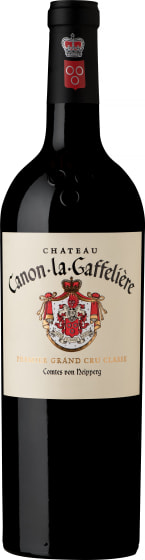
The premium tier is where classed growths and serious Right Bank Saint-Émilion wines live. Here the oak program becomes a real cost: top wines aging entirely in new French oak can carry $4+ per bottle in barrel cost alone, and that spice and structure need a few years to fold into the fruit. Château Belgrave, a classed growth in the Haut-Médoc, and Château Canon La Gaffelière on the Right Bank both illustrate the tier, offering more concentration, finer tannin, and a longer arc than the accessible bottles. These wines suit the back half of the five-year window, and the best of them will keep going.
3. Investment-Grade: First Growths and Cult Bottles ($200+)
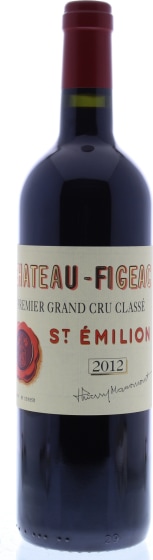
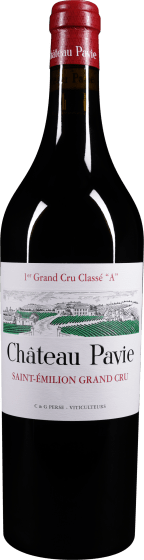
At the top sit the first growths and cult bottles, sourced from the most coveted plots and made with the tightest selection. Premium Bordeaux first growths typically require 15–25 years before reaching peak drinking, which puts most of them well outside a five-year plan. For this window, favor the more forward cuvées and second wines from estates like Château Figeac and Château Pavie, both Right Bank benchmarks whose fruit can charm earlier than their grand vins. Buy these to drink young only with eyes open, because the flagship bottles reward patience the five-year cellar does not have.
St. Emilion, Bordeaux, France ● Bordeaux Red Blends
100 Jeb Dunnuck
100 Robert Parker
98 James Suckling
98 Wine Spectator
$319.99
$319.99
How to Store and When to Open
Storage decides whether the five-year plan pays off, and Bordeaux futures rarely change that math for a short hold. Get the conditions right and the readiness signals will tell you when to pull a cork.
Storage Conditions: Hold bottles at about 55°F with 70% humidity, in the dark, free of vibration, and laid on their side so the cork stays damp
Readiness Signals: Watch for color shifting toward a brick rim, tannin moving from grip to silk, and aromatics turning toward cedar, tobacco, and leather
Buy-Now-to-Drink-Later Logic: Open accessible-tier bottles first, around year five, hold the premium wines for the back half of the window, and set investment-grade bottles aside for far longer than five years
En Primeur Note: Futures rarely help a five-year plan, since en primeur favors the long-aging flagships that need well over a decade, so buy in-bottle for near-term drinking
Bordeaux Cellaring Questions, Answered
Does Left Bank or Right Bank Bordeaux Age Longer?
Left Bank wines usually age longer. Their Cabernet-heavy blends carry firmer tannin and higher acid, which stretches the drinking window. Right Bank wines lead with Merlot, so they tend to soften and open earlier. For a five-year plan, that makes many Right Bank bottles the more natural fit, while Left Bank wines reward a bit more patience.
Which Recent Vintage Should I Open First?
Start with 2018 at the accessible and mid tiers. Those wines are rounding into form now and drink well today. After that, the ripe, generous 2020 bottlings are the next to open, followed by 2019. Save the powerful 2022 flagships for later, and catch the lighter 2021 bottles early before their frame thins.
How Do I Know When My Bordeaux Is Past Its Peak?
The clearest sign is fading fruit. When the primary dark-fruit character gives way to faint, dried notes and the wine tastes more of savory tertiary character than fruit, it is drifting past peak. The color browns further at the rim, and the mid-palate starts to feel hollow. Trust your own taste: if a bottle seems to be thinning, open the rest of that case rather than waiting.
Are Second Wines Worth Cellaring for Five Years?
Yes, and they are one of the best tools for a five-year window. Second wines come from the same estates as the grand vins, often from younger vines or lots not chosen for the flagship, and they age on a shorter timeline. That makes them ready sooner while still carrying the house style. For 2022 in particular, second wines let you taste a powerful vintage without waiting a decade.
Should I Buy Bordeaux En Primeur for a Five-Year Hold?
Usually not. En primeur rewards the long-aging flagships that need well beyond five years, so for a near-term cellar you are better off buying wines already in bottle. Focus on accessible and mid-tier bottlings from ready vintages, plus second wines from the structured years. Those give you Bordeaux to open on your own timeline, not the next decade's.
Where to Start Your Bordeaux Cellar
The five-year cellar comes down to a few clear moves. Value bottlings and Cru Bourgeois soften fastest, so they anchor the near-term end. Cooler, classic vintages like 2021 suit a shorter window and want to be caught young, while structured 2022 rewards buying value and second wines rather than flagships. Store everything cool and still, and let the brick rim and softening tannin tell you when to pour.
Wine.com carries one of the widest Bordeaux selections anywhere, spanning both banks, every recent vintage, and each price tier covered here. That range makes it easy to build a five-year cellar that fits both your budget and your calendar.
Ready to begin? Browse Bordeaux at Wine.com and pull together a mix of ready-now bottles and structured wines worth the short wait.