Sauternes, Explained: Noble Rot, Top Producers, and What to Buy
When Bordeaux brokers drew up their famous 1855 classification, they singled out one wine for a rank above every red first growth: a sweet white from Sauternes. That distinction still holds, yet the region today spans everything from half-bottles you can open on a weeknight to collectible vintages built to outlive the cellars that hold them.
Why Sauternes Stands Out
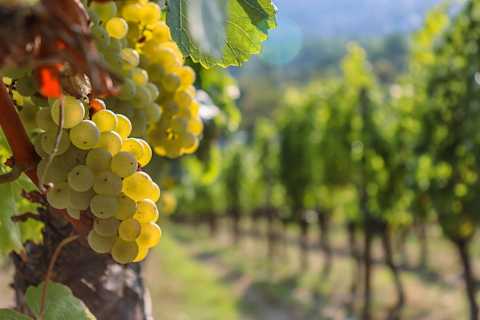
Most sweet wines get their sugar from late picking or from stopping fermentation early. Sauternes gets there a stranger way: from a fungus that shrivels the grapes on the vine before they are ever harvested. That process, and the Sémillon-based blend behind it, is what gives the wine its honey, apricot, and candied-citrus character among sweet dessert wines.
The blend matters as much as the fungus. Sémillon leads, giving Sauternes its weight and waxy, honeyed richness, while Sauvignon Blanc supplies the acidity that keeps all that sugar from turning cloying. A small amount of Muscadelle rounds things out with floral lift.
Noble rot: the everyday name for Botrytis cinerea, a fungus that, under damp-then-dry conditions, concentrates sugar and flavor inside ripe grapes instead of spoiling them.
How Noble Rot Shapes the Wine
Botrytis does not spread evenly. It moves grape by grape and bunch by bunch, so pickers work through the vineyard in several passes across the harvest, taking only the berries that have shriveled to sticky, raisin-like clusters. Reaching that stage can take anywhere from five to 15 days.
Inside each grape, more than half the water disappears. The fungus also burns off much of the natural acidity, cutting total acidity by roughly 70 percent while concentrating the sugar that remains, which is why the wine tastes intensely sweet yet still feels lively. All that hand-selection, spread across weeks and repeated passes, is a large part of why even entry-level Sauternes rarely comes cheap.
Sauternes vs Barsac: One Region, Two Styles
Barsac sits inside the Sauternes appellation, which gives its producers a choice: they can label their wines as Barsac or as Sauternes. Both are made the same way, from botrytized grapes, but the practical difference is one of style. Barsac tends to be lighter and more citrus-driven, its limestone soils lending a brighter edge, while wines from the heart of Sauternes often feel richer and more tropical. For a buyer, that makes Barsac the more food-flexible, and sometimes better-value, way in.
The 1855 Classification and What It Tells You
The 1855 classification was not a taste test. Bordeaux brokers built it by ranking châteaux on the prices their wines were already fetching in the market, then presented it at Napoleon III's Paris exposition that year. For Sauternes, that ranking still works as a rough buying map.
1. Premier Cru Supérieur
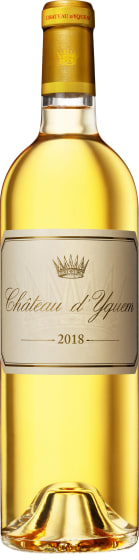
One wine sits above the rest. Château d'Yquem was the only Sauternes named Premier Cru Supérieur in 1855, a rank higher than any red first growth from the Médoc. In practice, that status sets the ceiling for both price and expectation: when people picture great Sauternes, they picture d'Yquem. Its bottles command collectible prices, and the wines are built to age for decades.
2. Premier Cru (First Growth)
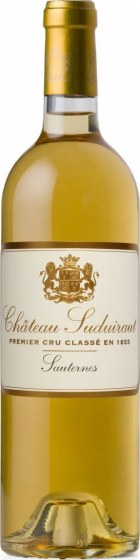
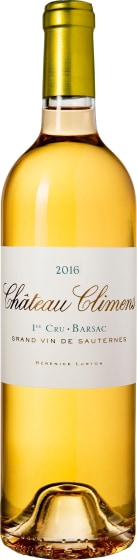
Below d'Yquem, eleven estates were classified as First Growths, or Premiers Crus. This is the tier most buyers should learn first, and Château Suduiraut in Sauternes and Château Climens over in Barsac are two names worth knowing here. Wines at this level carry real botrytis concentration and the polish of extended barrel aging, without the d'Yquem price. For anyone building a sense of what fine Sauternes tastes like, a First Growth is the natural reference point.
3. Deuxième Cru (Second Growth)
The classification's second tier, the Deuxièmes Crus, is where value hunters should look. There are more than a dozen Second Growth estates, and while the best of them may not quite reach the concentration of the top wines, they deliver much of the Sauternes experience for less money. For a first serious bottle, or for a holiday table where you want quality without the collectible price, this tier rewards a little exploration.
What to Spend on Sauternes
Sauternes is among the most labor-intensive wines in France to make. Pickers move through the vineyard in repeated passes over several weeks, selecting shriveled, botrytis-affected berries by hand, and that hand-sorting can eliminate 5 to 15 percent of the crop before fermentation even begins. That labor, and the tiny volume of juice raisined grapes yield, is why price tracks quality here more honestly than in most categories.
1. Entry-Level Sauternes: Under $30
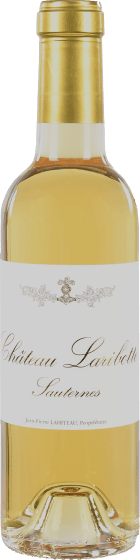
At this level, Sauternes stays fresh and fruit-forward rather than deeply concentrated, and the wines are best enjoyed young rather than cellared. In-stock Sauternes under $30 is genuinely limited, because the production costs above make inexpensive bottlings hard to justify. Two accessible routes stand out. The first is a well-made village Sauternes such as Château Laribotte, offered in a 375ml half-bottle that serves four to six people for a fraction of a full bottle's cost. The second is the value-priced second label of a classified estate, such as Château Doisy-Védrines, which brings Second Growth pedigree to the entry tier without the classified-growth price. Either is an easy way to put Sauternes on a holiday table without overspending.
This is the tier that rewards the confident explorer most. The $30-to-$75 range is largely a gap in Sauternes: the cost of farming and selecting botrytized fruit at a classified estate makes sub-$75 pricing rare, so classified growths effectively start here. What the extra money buys is concrete, because new French oak barrels run more than $1,200 each and classified estates age their wines in a high proportion of new oak, adding both cost and a layer of spice and structure that entry-level wines lack. Château Suduiraut and Château Climens are two First Growths that show what this level delivers: deep botrytis concentration, real length, and the balance that lets a wine age.
At the top of the market, price reflects both reputation and time. Château d'Yquem is the reference point here, the wine the 1855 classification placed above all others, and its bottles are priced accordingly. What you pay for is aging potential as much as present pleasure, because top Sauternes can hold and improve for decades, slowly trading fresh apricot and honey for deeper notes of caramel, marmalade, and saffron. That shifts the buying decision: a collectible Sauternes is often a wine you buy now to open years later, for an anniversary or a milestone, rather than for this weekend's dinner.
Sauternes earns its place at a holiday meal by doing something red wine cannot: its sweetness and bright acidity play off salt, fat, and spice at the same time. That balance makes it one of the few wines that can move across an entire menu, from the first bite to the last. Serve it in small pours and let it work course by course.
Appetizers and Charcuterie: foie gras, pâté, smoked salmon, and aged cheeses meet their match in the wine's honeyed weight
Roasted Poultry and Glazed Meats: turkey, glazed ham, and roast chicken gain from the salt-and-sweet contrast
Rich Holiday Sides: sweet potatoes, cranberry sauce, and fruit-studded stuffing echo the wine's own fruit
Cheese Course: Roquefort, Stilton, and triple-cream Brie, where salt and blue-veined funk meet sugar
Desserts: fruit tarts, crème brûlée, almond pastries, and pecan pie, kept just shy of too-sweet by the wine's acidity
Beyond Dessert: poured chilled in small glasses, Sauternes also opens an evening nicely as an aperitif
How to Serve Sauternes
A few small adjustments help Sauternes show its best. None of them require special equipment, just some attention to temperature and pour size.
Temperature: serve at 45 to 50°F, slightly warmer than most whites, so the aromatics open up
Glassware: a tulip-shaped white wine glass concentrates the honeyed aromas
Pour Size: 2 to 3 ounces per person is plenty, since the wine is rich and a little goes far
Half-Bottle Strategy: a 375ml bottle serves four to six guests and keeps the format affordable for entertaining
Storage After Opening: re-cork and refrigerate, and the wine holds its flavor for three to four weeks
Sauternes Questions, Answered
Is Sauternes Only a Dessert Wine?
No. It shines with dessert, but Sauternes was built for savory food too. Its acidity cuts through fat and salt, which is why it pairs so well with foie gras, blue cheese, and roasted poultry. Treat it as a wine for the whole meal, not just the final course.
What Is the Difference Between Sauternes and Barsac?
Barsac is a commune inside the Sauternes appellation, so its producers can label their wines either way. The wines are made the same way, from botrytized grapes, but the styles differ. Barsac tends to be lighter and more citrus-driven, thanks to its limestone soils, while Sauternes proper often runs richer and more tropical. For buyers, Barsac can be the fresher, more food-flexible choice, and it sometimes offers better value.
How Long Can You Age Sauternes?
It depends on the tier. Entry-level Sauternes is best within five to ten years, while it still tastes fresh and fruity. Top classified wines, especially First Growths and above, can age for decades, with the very best holding 30 years or more. As they age, they trade bright apricot for deeper flavors of caramel, marmalade, and saffron. If you are buying to cellar, focus on the classified tiers.
Should I Buy Full Bottles or Half-Bottles?
For most occasions, half-bottles are the smarter choice. Because Sauternes is served in small pours, a 375ml bottle comfortably covers four to six people, and it costs less than committing to a full bottle. Full bottles make sense for larger dinner parties or when you want to cellar a wine for years. If you are new to the style, start with a half-bottle and see how often you reach for it.
Bringing Sauternes Home
A few things are worth remembering. For holiday entertaining, a half-bottle from the entry tier or a Barsac First Growth stretches across a whole table without a big outlay. For a step up in concentration and polish, the $75-to-$100 classified growths are the true entry point into serious Sauternes. And for a gift that lands, a bottle from the top of the classification will impress and can age for years.
The best way to understand Sauternes is to taste across it. Try an entry-level half-bottle next to a classified growth, or set a Sauternes and a Barsac side by side and notice how the lighter, citrusy Barsac plays against the richer style. Each comparison teaches you something the label cannot.
When you are ready to pour, the range runs from weeknight half-bottles to cellar-worthy classics, all in one place. Browse Sauternes at Wine.com