The Napa Winery Tasting Guide for First-Time Visitors
Napa Valley is home to more than 400 wineries, but a realistic tasting day fits only two or three of them. That gap is why choosing the right stops matters far more than trying to see as much as you possibly can in a single trip. First-timers get more from a focused plan than a packed one.
Understanding Napa's Wine Regions and Tasting Styles
An Oakville Cabernet tasting and a Carneros sparkling tasting feel like two different trips. One leans into structure and power poured in a hushed hospitality room; the other is bright, brisk, and often served with a bay breeze at your back. Knowing which experience you want shapes where you point the car.
How Napa's Sub-Regions Shape What You Taste
Napa is not one flavor. Sub-AVAs like Oakville or Rutherford within Napa Valley offer tighter site specificity than the broader Napa Valley designation, so a bottle labeled with one of these districts tells you more about where the fruit grew. Oakville and Rutherford are the benchmark zones for Cabernet Sauvignon, known for ripe, firmly structured reds with the depth that made the valley famous.
Head north to Calistoga and the days run hotter. That warmth tends to produce Cabernet with more power and softer edges, a bolder style that suits drinkers who like their reds generous.
Carneros sits at the cool southern end and plays a different game entirely. Los Carneros spans the southern ends of Napa and Sonoma counties, and its defining feature is its closeness to San Pablo Bay. The bay funnels cool ocean air across the vineyards, so Pinot Noir and Chardonnay rarely get too much heat while still getting plenty of sun. That balance makes Carneros a natural home for traditional-method sparkling wine. The name itself is Spanish for rams.
How Reservations, Fees, and Timing Work
Most Napa wineries now take visitors by reservation, and many require one before you arrive. Walk-ins still happen, but the days of dropping in unannounced are mostly gone. Tasting fees generally run $25–$150 depending on the estate and the flight you choose, and higher fees usually mean smaller groups, seated service, or reserve pours.
Tasting rooms typically open around 11am and close by 5pm, which leaves room for two or three visits if you space them out. Book your first tasting late morning and your last in mid-afternoon. That pacing gives you time to taste well, eat lunch, and drive between stops without rushing.
Iconic Estates for the Classic Napa Cabernet Experience
Cabernet Sauvignon is the wine that put this valley on the map, and it remains the tasting most first-timers come for. A visit to a benchmark Napa Valley Cabernet estate shows you how site and cellar shape the grape. Most premium Napa Cabernets include 5–15% Merlot, Cabernet Franc, Petit Verdot, or Malbec. Those supporting grapes each do a job: Merlot rounds the mid-palate, Cabernet Franc adds aroma and lift, Petit Verdot deepens color and firms the tannins, and Malbec adds a plush edge. The result tastes more complete than straight Cabernet fruit on its own.
1. Silver Oak (Oakville)
Silver Oak built its name on a single idea: a Napa Cabernet meant to be enjoyed on release, not cellared for decades. The estate ages its reds in American oak rather than French, a house choice that sets its style apart from most Oakville neighbors. Its Oakville home sits among the vineyards that define the district's reputation for structured, age-worthy Cabernet. A visit here is polished and unhurried, and seated flights walk you through the estate's history and approach step by step. It makes a strong first stop for tasting classic Napa Cabernet.
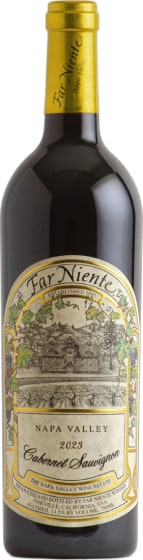
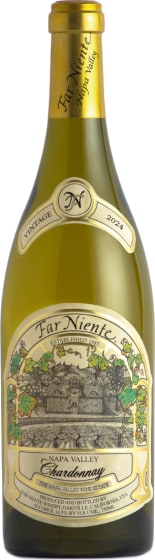
Far Niente is an Oakville estate known for two wines: a structured Cabernet Sauvignon and a barrel-fermented Chardonnay. The property pairs its winemaking with restored 19th-century stone buildings and formal gardens, so the setting is as much a draw as the pour. Its Oakville fruit gives the Cabernet the firm backbone the district is known for, while the Chardonnay leans rich and textured. Tastings are seated and estate-focused, often moving through both the caves and the grounds. If you want one stop that shows Napa's range across red and white, this is a smart choice.
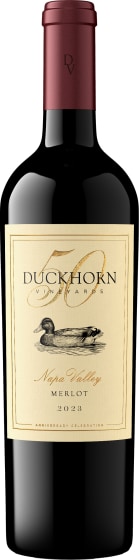
Duckhorn helped make Napa Merlot serious, and that grape still anchors its identity alongside a classic Cabernet Sauvignon. The estate sits in St. Helena, a warmer central stretch of the valley that gives its reds a rounder, more supple feel than the firmer Oakville style. Its tasting house is one of the valley's most welcoming, with a wraparound porch and by-the-glass or flight options. Visits here feel relaxed rather than formal, which makes it an easy landing spot early in a trip. For a first-timer curious about how Merlot and Cabernet differ side by side, Duckhorn delivers.
Napa's big names get the attention, but its family-run estates often give the most rewarding tastings. Smaller production means the people pouring know every block and barrel, and they tend to open up when a visitor asks a real question. For a wine lover who already knows the basics, these rooms are where the conversation gets interesting.
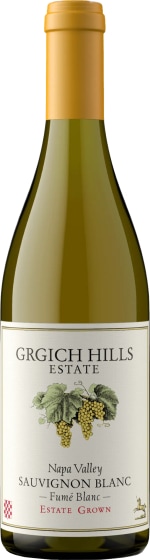
1. Grgich Hills Estate (Rutherford)
Grgich Hills is a family-owned Rutherford estate, farmed organically and biodynamically. It is best known for its Chardonnay and Cabernet Sauvignon. Its Cabernet carries the classic Rutherford profile, firm and earthy, while its Sauvignon Blanc stays crisp and food-friendly. Tastings are calm and educational, with staff happy to talk farming and history. It rewards visitors who want substance over spectacle.
Inglenook is one of Napa's founding estates, with a Rutherford history that stretches back to the 1800s. Today it farms organically and focuses on a Bordeaux-style flagship red alongside an estate Cabernet Sauvignon. The Rutherford fruit gives these reds the district's signature grip and dusty structure that ages well. A visit takes you through a grand château and historic cellars, so the sense of place runs deep. For anyone drawn to Napa's roots, Inglenook is a memorable and substantial stop.
Rutherford, Napa Valley, California ● Bordeaux Red Blends
98 Decanter
97 James Suckling
97 Wine Enthusiast
96 Robert Parker
95 Vinous
93 Wine Spectator
$270.99
$270.99
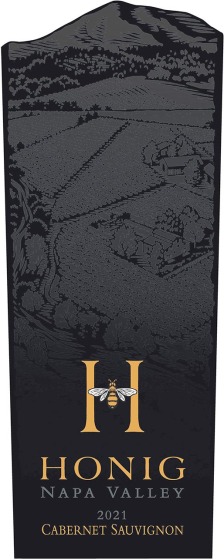
3. Honig Vineyard & Winery (Rutherford)
Honig is a family-run Rutherford estate that built its reputation on two wines: an estate Cabernet Sauvignon and a bright Sauvignon Blanc. The winery is known for its focus on sustainability, including solar power and water conservation across the property. Its Cabernet shows the polished Rutherford character, while the Sauvignon Blanc offers a crisp, sunnier counterpoint. Tastings are personal and low-key, often led by someone who can walk you through the family's approach. It is an easy, friendly stop that never feels like a hard sell.
Napa is not only red-wine country. Its cool Carneros district turns out traditional-method sparkling wine that rivals what you find in more famous sparkling regions. Pairing-led tastings, where each pour arrives with a bite of food, are another way to spend an afternoon. They suit drinkers who like to taste with context.
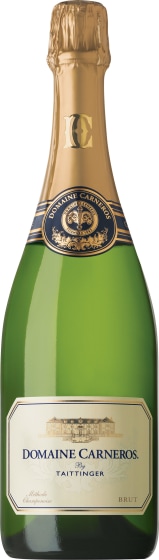
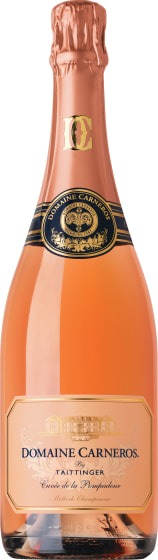
1. Domaine Carneros (Carneros)
Domaine Carneros specializes in traditional-method sparkling wine grown in the cool Carneros district. That climate, cooled by breezes off San Pablo Bay, keeps the grapes fresh and bright, exactly what sparkling wine needs. The estate is set in a hilltop château modeled on French design, with a terrace that looks out over the vineyards. Tastings here are seated and unhurried, with sparkling flights and small plates available. It is one of Napa's most scenic places to understand how bubbles are made.
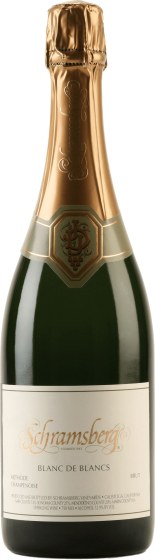
Schramsberg is one of Napa's pioneering sparkling houses, based up in the hills near Calistoga. It makes traditional-method sparkling wine, including a Blanc de Blancs and a Brut Rosé, aged in historic hillside caves. Those hand-dug caves are part of the draw, and touring them is a highlight of any visit. Tastings are guided and cave-based, so you learn the method as you sip. For a first-timer, it is a memorable look at how serious American sparkling wine is made.
B Cellars built its Oakville hospitality house around food. Instead of a standard flight, visits center on a chef-driven, course-by-course pairing that matches each wine to a bite from the open kitchen. That format rewards a knowledgeable palate, because you taste how a wine shifts when the right dish sits beside it. Tastings are paced like a small meal, so plan for a longer stay here. It suits a visitor who already enjoys thinking about pairings.
Wineries for Scenery and Architecture
For a first visit, the setting can matter as much as what's in the glass. A dramatic view or a striking building gives you a sense of place that a tasting-room counter alone can't. These Napa estates are worth a stop for the scenery as much as the wine.
1. Castello di Amorosa (Calistoga)
Castello di Amorosa is a Tuscan-style medieval castle built into a Calistoga hillside. It comes with a working drawbridge, a moat, fortress walls, and stone barrel cellars that took years to build by hand. The hilltop setting gives sweeping views over the northern valley, which makes it a favorite for families and photographers alike. Tastings range from casual pours to guided castle tours, so you can match the visit to your pace. It plays more like an experience than a tasting room, and first-timers remember it.
2. Artesa (Carneros)
Artesa sits on a Carneros hilltop in a modern building that seems to grow out of the earth itself. The architecture, with reflecting pools and clean lines, is a sharp contrast to Napa's château style. Grown in cool Carneros, its Pinot Noir and Chardonnay carry the fresh, focused character the district is known for. The views stretch clear across the valley and, on a clear day, toward the bay. It is one of the best spots to pair a great view with cool-climate wine.
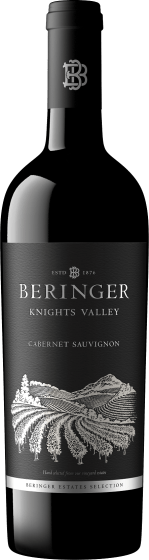
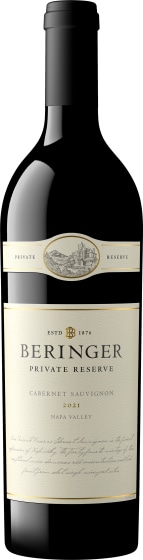
Beringer is Napa's oldest continuously operating winery, anchored by a St. Helena estate that dates to the 1800s. Its centerpiece is the Rhine House, a grand mansion with stained glass and old-world detail that draws visitors on its own. The winery is known for a range that runs from an approachable Knights Valley Cabernet to a flagship Private Reserve. Tastings move from the historic house to the hand-dug tunnels behind it, so history is part of every visit. For a first stop steeped in Napa's past, Beringer is hard to beat.
A good Napa day comes down to a handful of practical choices. Get these right and the tasting takes care of itself.
Book Ahead: Reserve your tastings before you go, since most wineries now require an appointment and popular rooms fill fast on weekends
Budget for Fees: Plan on $25–$150 per tasting, and ask about fee waivers, since many wineries credit the fee back when you buy a bottle or two
Pace at Two or Three: Limit yourself to two or three wineries a day so each visit gets your full attention, with lunch in between
Sort Out Driving: Do not drink and drive; hire a driver or car service so everyone can taste freely and get home safely
Tip When It Fits: Tipping is optional, but around $10–$20 per couple is a common thank-you for a great pour
Time Your Visit: Spring and fall bring the mildest weather and the prettiest vineyards, making them the easiest seasons to plan around
When you get home, you can order the wines you loved and keep exploring the producers you met. Wine.com also offers virtual tastings if you want to keep learning between trips.
Napa Tasting Questions, Answered
Do I Need Reservations to Visit Napa Wineries?
In most cases, yes. Reservations are now standard across Napa, and many wineries will not seat walk-ins at all. Booking ahead also locks in your preferred time and any special experiences, like a cave tour or a food pairing. Call or reserve online a few days out, and even earlier for weekends and harvest season. A little planning here prevents a lot of disappointment at the door.
How Much Do Napa Wine Tastings Cost?
Most Napa tastings run $25–$150 per person. The lower end usually covers a standard flight at the bar, while the higher end buys a seated, reserve, or private experience. Many wineries waive the fee if you buy wine, so a tasting can effectively pay for itself when you find a bottle you love. Fees have climbed in recent years, so build them into your budget when planning multiple stops.
How Many Wineries Can I Visit in a Day?
Two or three is the realistic answer. Tastings now take longer than they used to, often running an hour or more with seated service. Trying to squeeze in four or five leaves you rushed and, frankly, less able to taste well by the afternoon. Space your visits, eat a real lunch, and you will enjoy each stop more.
Do I Tip at Napa Wine Tastings?
Tipping is optional and not expected the way it is at a restaurant. That said, if your host went above and beyond, around $10–$20 per couple is a kind gesture. Some tasting fees and private experiences already include gratuity, so it is worth checking before you add more. When in doubt, a tip for genuinely great service is always welcome.
Can I Buy the Wines I Taste After I Get Home?
Yes. Many of the wines you taste in Napa are available to order online, so a great pour does not have to stay behind. Wine.com carries a deep selection of Napa producers, which means you can restock a favorite or explore a winery's other bottles from home. It is an easy way to keep a trip going long after you have left the valley.
Bringing Napa Home
A first Napa trip goes best with a simple plan. Start with a classic Cabernet estate in Oakville or Rutherford to anchor the day, book every tasting before you arrive, and cap yourself at two or three wineries so each one lands. Add a sparkling or pairing-led stop if you want range, and pick at least one winery for the view alone.
The best part is that the trip does not end at the tasting room. Wine.com carries more than 16,000 wines, including bottles from the Napa producers on this list, from Silver Oak and Far Niente to Domaine Carneros and Beringer. That means the Cabernet or sparkling wine you fell for in the valley can be waiting at home.
So taste widely, take notes on what you love, and bring the best of it home. When you are ready to relive that Oakville Cabernet flight, you can browse Napa Valley Cabernet at Wine.com.