What separates a genuinely curated wine subscription from a mass-market box comes down to two questions: who chooses the wine, and how they choose it. The best curated wine subscription leans on a person or a system with real taste, so the bottles that arrive are interesting, not whatever a warehouse needs to clear. Get those two answers right and the wine takes care of itself.
What Curated Wine Subscriptions Are and Why They Matter
A mass-market box and a curated one can charge the same $45 a month and still solve different problems. The first is stocked with high-volume labels you could grab at any supermarket. The second puts the choice in the hands of someone whose job is finding wine that earns your attention.
Curation is a deliberate decision about what goes in the box and, just as much, what stays out. A serious curator tastes widely, then narrows the field to bottles with a clear point of interest: an uncommon grape, a distinctive site, a small-scale producer. That editing is what you actually pay for.
The reason it matters is simple. Interesting wine is, almost by definition, wine most people have not tried yet. A club built to move volume cannot afford to feature it, since obscure bottles are harder to buy in bulk and slower to sell. A curated club is built around that kind of wine instead, which is why curated selections matter far more than the size of the monthly discount.
How the Wines Get Chosen
Two methods dominate the curated subscription world. In the first, a human expert tastes through hundreds of wines and selects the ones worth sending, then matches them to what a member tends to enjoy. In the second, an algorithm learns your preferences from a quiz or your past ratings, then predicts bottles you are likely to score well.
A human palate brings context a formula struggles to reach. A person can tell that a wine tastes the way it does because of a cool growing season or a change in how the fruit was handled, and can nudge you toward something unfamiliar for a reason. The trade-off is scale, since one expert can only taste so much, and their bias slowly becomes your bias.
Algorithms scale beautifully and get sharper the more you rate. Their weakness is worth admitting plainly: a model trained on what you already like tends to keep handing you close variations of it, which is the opposite of discovery. The math is good at comfort and poor at surprise.
The strongest clubs now blend both, using data to filter the field and a human to make the final call. When you compare options, ask which method actually drives the selection, not just the sign-up quiz. That single answer tells you whether you are buying discovery or repetition.
Curated vs. Mass-Market: What to Look For
You can judge curation quality yourself with a few signals, most of them visible before you ever taste the wine. Start with the labels. Small-lot bottles from named estates point to real selection. Private-label and commodity brands made for a single retailer usually point to volume buying.
Look at who is named on the bottle. A specific grower, vineyard, or estate signals that a person stands behind the wine. Generic house brands, invented for the subscription itself, tend to signal filler.
Check whether the selections change. A curated club rotates through regions, styles, and producers as vintages come and go, so no two shipments feel the same. Ask how much the club tells you about sourcing, too. Real curators explain where a wine comes from and why they chose it; volume sellers stay vague because the answer is unflattering.
None of these checks require a trained palate. They are about paper trails and habits, not tasting skill, which is exactly why they work for a busy drinker. Spend five minutes on a club's past shipments and its sourcing notes, and the quality of its curation shows itself quickly.
Types Of Curated Wine Subscriptions
Curated clubs tend to fall into four models, each suited to a different kind of drinker. Knowing which one you are shopping for saves you from paying for curation you will not use.
1. Sommelier-Matched Subscriptions
These clubs pair you with a real person who tunes each shipment to your palate over time. If you want expert judgment without the research, our Picked by Wine.com sommelier-matched club is built for exactly that.
2. Discovery And Small-Producer Clubs
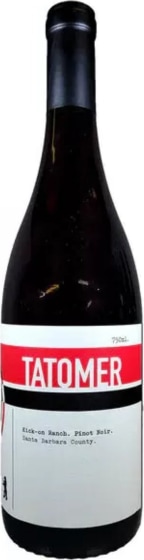
Discovery clubs exist to put unfamiliar bottles in front of curious drinkers. A shipment might carry a small-lot Pinot Noir from a single cool-climate ranch on the California coast, where ocean fog slows ripening and keeps the fruit bright and lifted. The point is exposure to wines you would rarely pull off a shelf on your own.
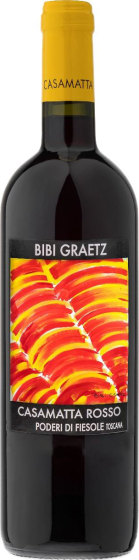
The range is wide because the whole idea is range. One month you might open a red from an ancient volcanic region in southern Italy, grown on dark mineral soils that lend the wine a savory, almost smoky edge. These clubs reward drinkers who treat each box as a small education, not a reorder.
Some drinkers would rather go deep than wide. A region- or style-focused club sends bottles organized around one theme, such as Italian reds, so each shipment builds on the last. You start to hear how a single grape changes from one hillside to the next.
This model suits anyone with a clear favorite they want to understand better. A club centered on one country's reds might move from bright, cherry-driven styles to darker, firmer bottlings across a few months. By the end you hold a working map of the region in your own glass.
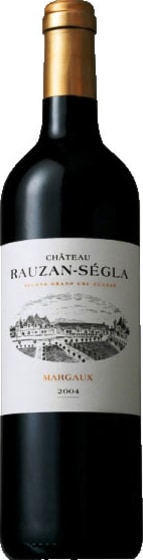
Premium tiers are built for drinkers who trade up now and then. These shipments carry cellar-worthy, critically regarded bottles from benchmark regions such as Bordeaux, along with the catalog breadth to keep the selection from repeating itself. The price per bottle climbs, and so does the aging potential.
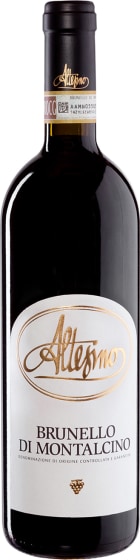
There is a concrete reason these wines cost what they do. Top Barolo and Brunello typically need 10–15 years to soften their firm tannins, which means the producer ties up capital and cellar space long before the wine is ready to sell. You are paying for patience as much as for fruit. If you like the idea of buying now to drink years from now, this is the tier that rewards it.
The right club depends on how you actually drink and what you want the subscription to do for you. Weigh these factors before you commit to a plan.
Who Chooses the Wine - Confirm that a human expert, a proven algorithm, or a blend of both drives the selection, not just a one-time sign-up quiz
Price per Bottle - Aim for the $30–$75 range, where curation buys genuinely interesting wine without pushing you into collector territory
Personalization Fit - Check how the club learns your taste, whether through a detailed profile, ongoing ratings, or a sommelier who remembers what you liked
Flexibility - Make sure you can skip a month or pause shipments when your rack is full, with no penalty for slowing down
Cancellation - Look for a club you can leave in a few clicks, since easy exits usually mean the wine is meant to keep you, not the contract
Shipping Reach - Verify the club ships to your state, because wine delivery laws vary and some regions face real limits
Common Questions About Curated Wine Subscriptions
How Do I Know If A Subscription Sends Interesting Wine Or Mass-Market Bottles?
Look at the labels before you look at the price. Small-lot wines from named growers and estates point to real curation, and private-label brands invented for one retailer point to volume. Interesting clubs also rotate their selections, so shipments keep changing instead of repeating a single house style. If a club explains where each wine comes from and why it was chosen, that transparency is your best signal. When the story stays vague, treat the vagueness as your answer.
Is A Human Sommelier Better Than An Algorithm For Choosing My Wine?
Each approach has a real strength. A human brings context and can steer you toward something new for a specific reason, though one palate can only taste so much. An algorithm scales well and sharpens with every rating, but it tends to keep serving variations on what you already enjoy. The strongest clubs combine the two, using data to narrow the field and a person to make the final pick. For genuine discovery, lean toward clubs where a human has the last word.
How Much Should A Curated Wine Subscription Cost Per Bottle?
For genuinely interesting wine, the $30–$75 per bottle range is the sweet spot. Below about $30, most clubs lean on high-volume labels to protect their margins. Above $75, you move into collector territory, which pays off only if you want cellar-worthy bottles. Within that middle band, curation buys you small-lot wines with a clear point of view, delivered for far less effort than hunting them down yourself.
Can I Pause, Skip, Or Cancel A Wine Subscription Easily?
With a well-run club, yes. Good subscriptions let you skip a month, pause shipments, or change your cadence when your rack fills up, all without a penalty. Cancellation should take a few clicks, not a phone call or a written request. Before you join, read the terms so you know how much control you keep, because the easiest clubs to leave are often the most confident in their wine.
Where To Start With Curated Wine Subscriptions
You now have a short checklist to work from. Judge curation by who is named on the bottle and whether the selections rotate, then match the model to how you actually drink: guided discovery, a single region, or the occasional collector bottle. Keep an eye on the $30–$75 range, where genuinely interesting wine lives without tipping into collector prices.
This kind of selection only works at scale. With more than 16,000 wines and sommelier curation behind the picks, Wine.com can surface small-lot and hard-to-find bottles that a smaller catalog would never reach. That breadth is what makes a genuinely curated shipment possible month after month.