A standard case holds 12 bottles. A starter case takes that same count and builds it for variety instead of stacking 12 versions of your favorite bottle. One purchase then covers quiet weeknights, dinner parties, and the occasional celebration without another trip to the shop.
The Starter Case At A Glance
A case built around six bottles of the same wine solves exactly one kind of night. A case split across six styles solves most of them. The starter case works because it maps to how you actually drink, not to a ranking of trophy bottles.
The framework is simple. Take your 12 bottles and divide them into six style groups, two bottles each: crisp whites, rich whites, rosé, sparkling, light reds, and bold reds. Each pair gives you a backup, so running low on one style never sends you straight back to the store.
Those six groups cover the range of food and moods you meet in a normal month. Crisp whites and rosé handle warm afternoons and lighter plates. Rich whites and light reds carry most weeknight dinners, from roast chicken to pizza. Sparkling covers celebrations and doubles as an aperitif, while bold reds wait for steak night or a serious meal. You are buying coverage, and coverage is what makes a case earn its shelf space.
Buying in pairs is the quiet advantage here. When you love a bottle, you have a second one ready before the memory fades. When a guest asks for more, you are not scrambling for a substitute that clashes with dinner. The two-of-each rhythm also makes restocking easy, since you replace by style, one pair at a time.
The Whites, Rosé, And Sparkling
Most of your everyday pours live in this half of the case. Whites, rosé, and sparkling handle warm weather, lighter plates, and the nights when a big red would feel like too much. Between them they carry aperitifs, seafood, salads, and roast chicken with room to spare.
1. Crisp, Everyday Whites
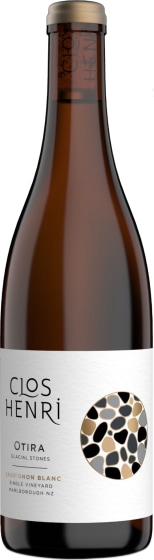
Crisp whites are the workhorses of any case. These are high-acid, unoaked wines that taste bright and clean, and they rarely need more than a chill and a corkscrew. Reach for Sauvignon Blanc when you want citrus and cut, or Albariño when you want something saline and coastal. Pinot Grigio, known as Pinot Gris in France and much of the New World, sits in the same easy lane. Pour these with oysters, grilled fish, salads, or a Tuesday takeout order that needs a lift.
Edna Valley, Central Coast, California ● Sauvignon Blanc
94 Wine Enthusiast
93 James Suckling
Sold Out - was $30.00
2. Rich Whites
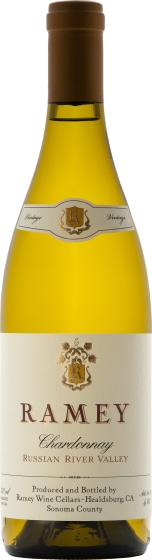
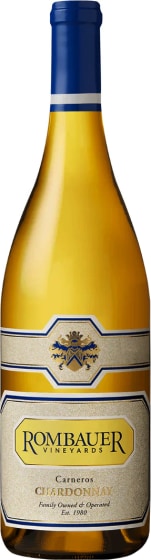
Rich whites give you weight without switching to red. Chardonnay is the anchor here, especially when it has seen some oak, which adds vanilla and toast along with a rounder, creamier texture. White Rhône blends, built from grapes like Marsanne and Roussanne, offer a similar fullness with more herb and stone. These are the whites for richer plates: roast chicken, creamy pasta, seared scallops, or a loaded cheese board. When a dish feels too substantial for a lean white but too light for a red, this is your bottle.
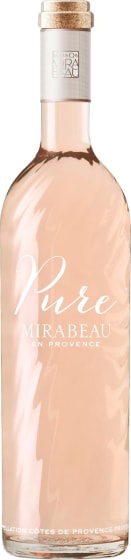
Dry rosé is the most flexible bottle in the case. Provence rosé sets the standard: pale, dry, and refreshing, with delicate notes of red berry and citrus. It bridges white and red, so it pours well with charcuterie, grilled salmon, and spiced takeout alike. Serve it well chilled on a warm afternoon and it rarely stays in the glass long.
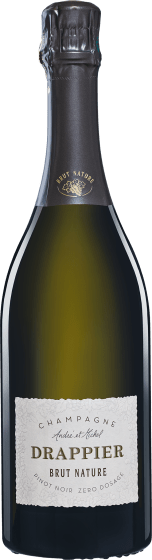
Sparkling wine covers two jobs, so your two bottles should split them. For everyday bubbles, Prosecco, Cava, and Crémant deliver bright, easygoing fizz at a friendly price, perfect as an aperitif or a casual toast. For the occasions that call for something finer, Champagne brings deeper flavor, a finer bead, and notes of brioche and toasted nuts from its longer aging. Keep one of each on hand. That way a surprise celebration never catches you empty.
Reds fill the last four bottles, split between easy and serious. Two lighter reds handle weeknights and lighter proteins, while two bold reds wait for the meals that deserve them. This mix gives you a red for nearly any dinner without committing your whole case to one heavy style.
5. Light, Food-Friendly Reds
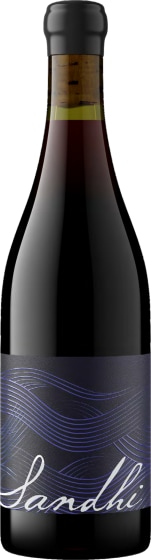
Light reds are the reds you can open without a special reason. Pinot Noir leads the group with its bright acidity, silky texture, and red-fruit flavor. Gamay, the grape behind Beaujolais, is even more playful and takes well to a slight chill. Grenache, called Garnacha in Spain, brings riper berry and gentle spice. These wines have enough acidity to handle tomato sauce and enough restraint to sit beside salmon, so they suit pizza night, roast vegetables, and midweek dinners equally well.
Sta. Rita Hills, Santa Barbara, Central Coast, California ● Pinot Noir
95 Wine Enthusiast
93 James Suckling
92 Robert Parker
$45.99
$45.99
6. Bold Reds
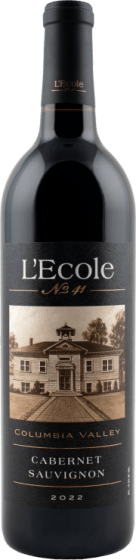
Bold reds are the bottles you save for steak, lamb, or a dinner that matters. Cabernet Sauvignon is the benchmark, full-bodied and firm, with dark fruit, cedar, and gripping tannins that stand up to fat and char. Syrah, sold as Shiraz in Australia, adds pepper and a savory edge, and Malbec brings plush, dark-fruited weight.
One thing worth knowing about premium Cabernet: the label rarely tells the whole story. Most premium Napa Cabernets include 5–15% Merlot, Cabernet Franc, Petit Verdot, or Malbec. Those supporting grapes are not filler. Merlot softens the mid-palate and rounds off Cabernet's hard edges, Cabernet Franc lifts the aromatics, and Petit Verdot deepens the color while adding firm structure. The result is a wine with more depth and polish than 100% Cabernet usually shows on its own.
A great case is only as good as the way you serve it. A few simple habits keep every bottle tasting the way it should. None of this asks for special equipment, just a fridge and a little timing.
The biggest mistakes are also the easiest to fix. Whites often get poured too cold, which mutes their flavor, and reds often get served too warm, which pushes the alcohol forward. Get the temperature right and most bottles reveal more than you paid for.
Start with temperature, since it shapes how a wine tastes more than almost anything else you control. A few degrees can turn a flat glass into a vivid one.
Sparkling and crisp whites: serve cold, around 40–45°F, straight from the fridge to keep them bright and lively
Rich whites and rosé: pull the chill back slightly, around 45–50°F, so their texture and flavor open up
Light reds: a light chill helps here, around 55°F, which sharpens their fresh red fruit
Bold reds: serve at cool room temperature, around 60–65°F, so the alcohol stays in balance
Storage matters less for bottles you plan to open within a year, but a few basics protect them all. Keep conditions steady, cool, and dark.
Keep it cool and steady: store bottles away from heat and big temperature swings, ideally somewhere around 50–59°F
Lay bottles on their side: this keeps the cork moist, which stops it from drying out and letting air in
Stay out of the light: direct sun and bright kitchen light can dull a wine over time, so a cupboard beats a countertop
Skip the fridge for the long haul: the kitchen fridge runs too cold and dry for months of storage, so use it only for chilling before serving
Most of your case is built to drink now. Crisp whites, rich whites, rosé, sparkling, and light reds are made for freshness, so open them within a year or two instead of saving them for later. Bold reds are the exception, and even they are often ready sooner than people expect.
Drink now: crisp whites, rich whites, rosé, sparkling, and light reds are at their best young, so enjoy them within a year or two of buying
Hold if you like: structured bold reds can improve with a few years of rest, which softens the tannins and deepens the flavor
Know the window: most premium California Cabernet enters its peak drinking window between 8 and 15 years from vintage, so a special bottle rewards patience if you have the space
Starter Case Questions, Answered
How Many Bottles Are In A Standard Case Of Wine?
A standard case of wine holds 12 bottles. This has been the industry standard for decades, and it is how wine is boxed, shipped, and often discounted. A half case, or six bottles, is a common smaller option. For a starter case built around variety, 12 is the number that gives you enough range to cover different styles and occasions.
What Is The Ideal Mix Of Wines For A 12-Bottle Case?
The most flexible mix spreads your 12 bottles across six styles, with two bottles each. That means two crisp whites, two rich whites, two rosé, two sparkling, two light reds, and two bold reds. This split covers warm-weather sipping, weeknight dinners, richer meals, and celebrations. Keeping two of each style gives you a backup so you never run out mid-week.
How Much Should A 12-Bottle Starter Case Cost?
The total depends on how you balance everyday bottles against special-occasion ones. Most of your case can sit comfortably in the $30–$75 range, which buys well-made wines from strong producers without overpaying. Fill the everyday slots, like crisp whites and light reds, with bottles under $30 to stretch your budget. Then spend a little more on one or two showpiece bottles, such as a bold red or a Champagne, where the extra money clearly shows up in the glass.
Which Bottles Should I Drink Now, And Which Can I Hold?
Most of the case is meant for drinking now. Whites, rosé, sparkling, and light reds are built for freshness, so open them within a year or two. Bold reds give you a choice: drink them now with a decant, or hold the most structured bottles for a few years to let the tannins soften. If you are unsure, drinking a wine a little young is a smaller risk than waiting too long and losing its fruit.
Where To Start With Your Case
You now have a working blueprint: six styles, two bottles each, split between everyday pours and special-occasion bottles. Reach for crisp whites and light reds on weeknights, pull the sparkling for a toast, and save the bold reds for steak night or a bottle worth holding a few years. Keep most of your picks in the $30–$75 range and spend up only where it counts.
From there, treat the case as a starting point, not a rulebook. With more than 16,000 wines to choose from, you can swap in an unfamiliar region or grape each time you restock and slowly map out what you love. Every refill is a chance to explore a little further.