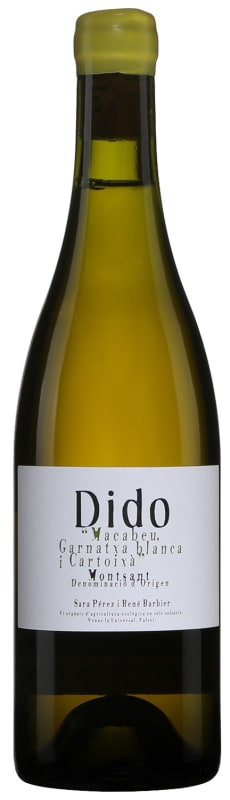


Winemaker Notes
This white blend is voluptuous and elegant with aromas of autumn spices, ripe fruit, nuts and seeds. Creamy on the palate with a long finish.
Professional Ratings
-
Robert Parker's Wine Advocate
The 2023 Dido Blanc had less skin contact, to try to counterbalance the ripeness of the year, something they started in 2022. It's a year with a more generous expression, but there's purity in the wines. They achieved good balance, a very clean nose and a medium-bodied palate with 13.5% alcohol. There's a little more Macabeo, 55%, with 30% Garnacha Blanca and 15% Xarel.lo, mostly from direct pressing. It fermented in foudre and spent a longer time in concrete, around eight months. There's a flinty note, reminiscent of struck match, lots of flowers and herbs and an austere and stony palate. I found it superb, better than previous years. They accidentally found what they were looking for with the direct pressing of the Garnacha...
-
Jeb Dunnuck
A delightfully textured, oily, and viscous white, the 2023 Dido blends 50% Macabeu, 40% Garnatxa Blanca, and 10% Cartoixa (Xarello in Catalan), the Macabeu seeing two weeks of skin contact. The vines are older and planted in limestone soils, a rarity in the region outside of the higher reaches of Scala Dei. Neutral oak is used for aging. Gorgeously complex.

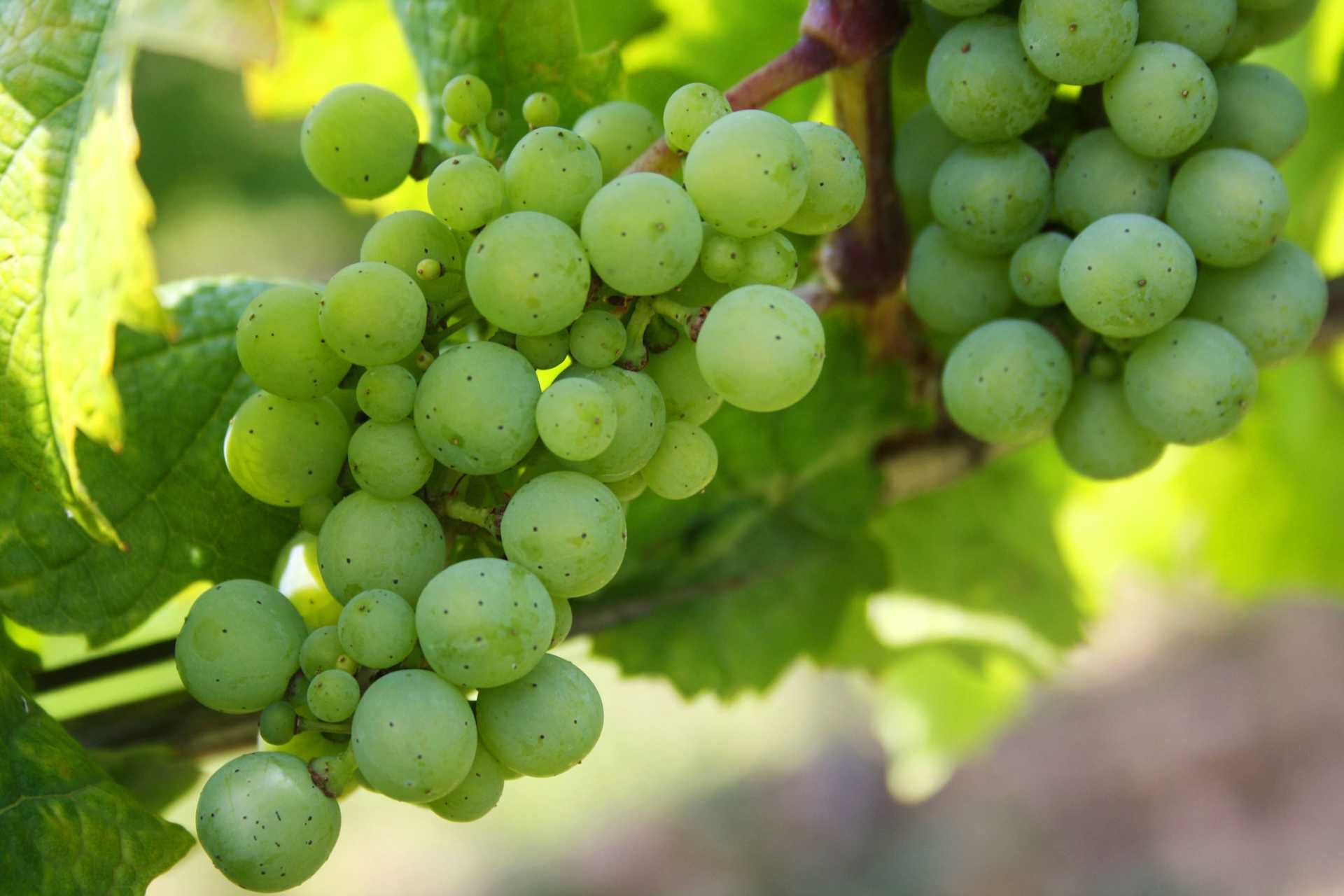
With hundreds of white grape varieties to choose from, winemakers have the freedom to create a virtually endless assortment of blended white wines. In many European regions, strict laws are in place determining the set of varieties that may be used in white wine blends, but in the New World, experimentation is permitted and encouraged. Blending can be utilized to enhance balance or create complexity, lending different layers of flavors and aromas. For example, a variety that creates a soft and full-bodied white wine blend, like Chardonnay, would do well combined with one that is more fragrant and naturally high in acidity. Sometimes small amounts of a particular variety are added to boost color or aromatics. Blending can take place before or after fermentation, with the latter, more popular option giving more control to the winemaker over the final qualities of the wine.
