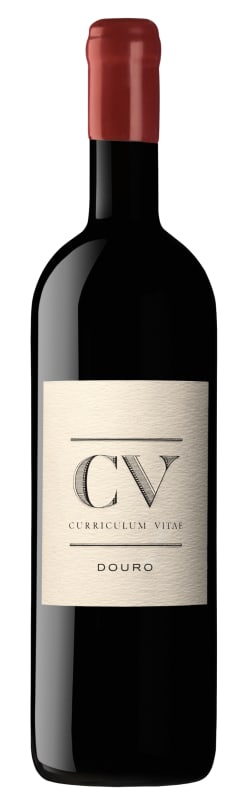


Winemaker Notes
With a deep color, the 2021 vintage is marked by the freshness of red fruits such as raspberries, blackberries, and cherries, as well as the depth of black fruits like black cherries and blackcurrants. With rounded tannins and a fresher finish, this wine is tremendously elegant.
Pair it with game pies or roasted vegetables, pork or beef roasts, or traditional roast beef with mushroom rice
Professional Ratings
-
James Suckling
This wine opens with aromas of ripe blackberries, crushed stones, dried herbs and a subtle touch of rust. On the palate it is balanced and supple, with neatly integrated fleshy fruit. The delineated concentration, combined with vibrant acidity, leads to a long, elegant finish. A blend of around 25 co-planted varieties, this medium- to full-bodied wine is both refined and powerful.
-
Robert Parker's Wine Advocate
The 2021 CV Curriculum Vitae was produced with the grapes from an old vineyard planted with mixed varieties, no less than 36 different ones, including Rufete, Tinta Amarela, Donzelinho Tinto, Tinta Francisca, Sousão, Touriga Franca, Tinta Roriz and Touriga Nacional, among others. This fermented in lagar, destemmed and foot trodden, then was transferred to 225-liter barrels, 75% of them new (but there's no excess oak), where it matured for 24 months. The cooler year allowed for a slow and more complete ripeness of the grapes, so they developed more nuance, aromas and flavors and produced a little more sugar that translated into 14.5% alcohol. This is a medium- to full-bodied red with round, polished and elegant tannins. 5,056 bottles, 305 magnums and 80 double magnums produced. It was bottled in December 2023 and is aging at a slow pace.
-
Wine Enthusiast
Vines planted on the steep sides of the Rio Torto valley deliver a powerful wine. Its dark coffee aroma and solid texture do suffer from a pepper character from high alcohol. The fruit, dense and concentrated, is still developing. Drink from 2026.
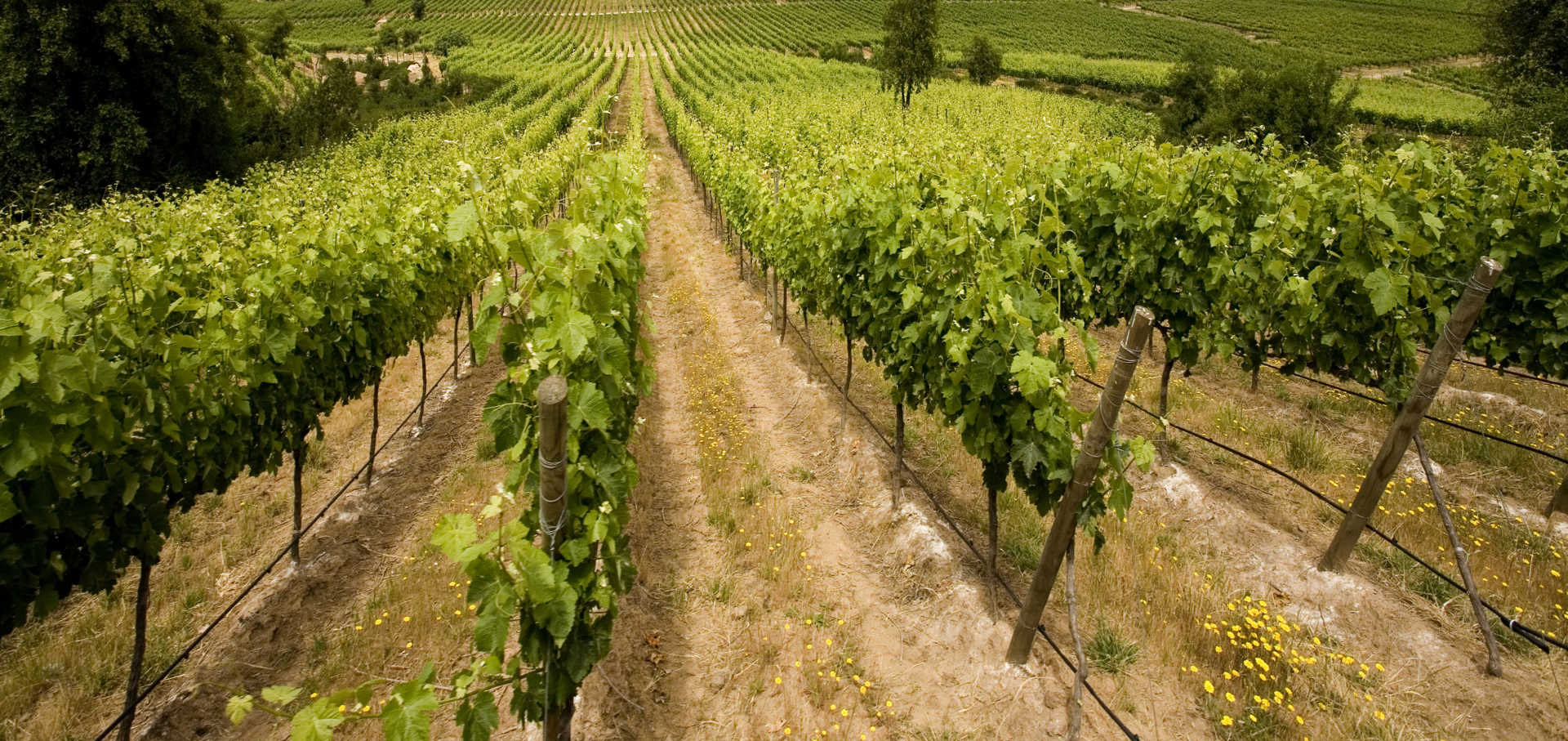

With hundreds of red grape varieties to choose from, winemakers have the freedom to create a virtually endless assortment of blended red wines. In many European regions, strict laws are in place determining the set of varieties that may be used, but in the New World, experimentation is permitted and encouraged resulting in a wide variety of red wine styles. Blending can be utilized to enhance balance or create complexity, lending different layers of flavors and aromas. For example, a red wine blend variety that creates a fruity and full-bodied wine would do well combined with one that is naturally high in acidity and tannins. Sometimes small amounts of a particular variety are added to boost color or aromatics. Blending can take place before or after fermentation, with the latter, more popular option giving more control to the winemaker over the final qualities of the wine.
How to Serve Red Wine
A common piece of advice is to serve red wine at “room temperature,” but this suggestion is imprecise. After all, room temperature in January is likely to be quite different than in August, even considering the possible effect of central heating and air conditioning systems. The proper temperature to aim for is 55° F to 60° F for lighter-bodied reds and 60° F to 65° F for fuller-bodied wines.
How Long Does Red Wine Last?
Once opened and re-corked, a bottle stored in a cool, dark environment (like your fridge) will stay fresh and nicely drinkable for a day or two. There are products available that can extend that period by a couple of days. As for unopened bottles, optimal storage means keeping them on their sides in a moderately humid environment at about 57° F. Red wines stored in this manner will stay good – and possibly improve – for anywhere from one year to multiple decades. Assessing how long to hold on to a bottle is a complicated science. If you are planning long-term storage of your reds, seek the advice of a wine professional.

The home of Port—perhaps the most internationally acclaimed beverage—the Douro region of Portugal is one of the world’s oldest delimited wine regions, established in 1756. The vineyards of the Douro, set on the slopes surrounding the Douro River (known as the Duero in Spain), are incredibly steep, necessitating the use of terracing and thus, manual vineyard management as well as harvesting. The Douro's best sites, rare outcroppings of Cambrian schist, are reserved for vineyards that yield high quality Port.
While more than 100 indigenous varieties are approved for wine production in the Douro, there are five primary grapes that make up most Port and the region's excellent, though less known, red table wines. Touriga Nacional is the finest of these, prized for its deep color, tannins and floral aromatics. Tinta Roriz (Spain's Tempranillo) adds bright acidity and red fruit flavors. Touriga Franca shows great persistence of fruit and Tinta Barroca helps round out the blend with its supple texture. Tinta Cão, a fine but low-yielding variety, is now rarely planted but still highly valued for its ability to produce excellent, complex wines.
White wines, generally crisp, mineral-driven blends of Arinto, Viosinho, Gouveio, Malvasia Fina and an assortment of other rare but local varieties, are produced in small quantities but worth noting.
With hot summers and cool, wet winters, the Duoro has a maritime climate.