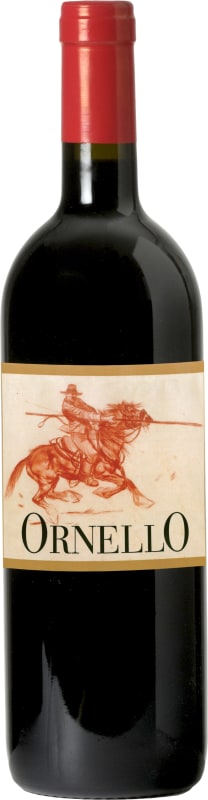


Winemaker Notes
It pairs well with meat dishes, including roasts, cold cuts and medium-mature cheeses.
Professional Ratings
-
Wine Spectator
This is dense and tightly wound, with blackberry, plum and sweet spice flavors wrapped up in the robust tannins. There's ample fruit and a vibrant structure that comes together nicely on the finish. Sangioveto, Merlot, Cabernet Sauvignon and Syrah. Best from 2023 through 2030.
-
James Suckling
Stewed cherries, plums, vanilla and baking spices on the nose. It’s medium-to full-bodied with firm, fine-grained tannins. Rich, ripe and creamy. Drink or hold.
-
Wine Enthusiast
Cherry-vanilla cola is first on the nose of this wine, with fennel, crushed stone, pencil eraser and graphite emerging. These continue on the palate, joined by spice and the mineral earthiness of top soil, with everything held together by sticky tannins and vibrant acid.


Legendary in Italy for its Renaissance art and striking landscape, Tuscany is also home to many of the country’s best red wines. Sangiovese reigns supreme here, as either the single varietal, or a dominant player, in almost all of Tuscany’s best.
A remarkable Chianti, named for its region of origin, will have a bright acidity, supple tannins and plenty of cherry fruit character. From the hills and valleys surrounding the medieval village of Montalcino, come the distinguished and age-worthy wines based on Brunello (Sangiovese). Earning global acclaim since the 1970s, the Tuscan Blends are composed solely of international grape varieties or a mix of international and Sangiovese. The wine called Vine Nobile di Montepulciano, composed of Prognolo Gentile (Sangiovese) and is recognized both for finesse and power.