


Winemaker Notes
The 2022 Ridge Three Valleys Red has a deep nose of blackberry, anise and espresso. Ample structure and mouthfeel with raspberry bramble, dark chocolate and baking spice.
Blend: 65% Zinfandel, 16% Carignane, 14% Petite Sirah, 5% Mataro
Professional Ratings
-
Decanter
It is a departure for Ridge, as it's not a single vineyard wine but instead a blend of 10 different sites from throughout Sonoma County. Bright and delightful with savoury herbs, tart early-season blackberries, and muddled mint leaves, all vie for attention in this wine's generous aromatic show. A melange of wild mountain berries, mouthfuls of dried savoury garrigue and lavender, dashes of white pepper and an incredible lift to the finish which lingers for an eternity. Concentrated and refined.
-
Vinous
A blend of 65% Zinfandel, 16% Carignane and 14% Petite Sirah, the 2022 Three Valleys is super-welcoming and disarming from the get-go. A superb introduction to the Ridge house style, it balances the savory and the fruity—tobacco, cedar, dark berry fruit and loads of spice, all hemmed in by fresh acidity and insistent but yielding tannins.
-
Wine Enthusiast
The bright and spicy nose of this Zinfandel blend gives aromas of dried cranberry, raspberry compote and spiced fig. The palate is polished and balanced, with plenty of blackberry, plum, fresh herb and black licorice flavors mingling and lingering through the finish.
-
Wilfred Wong of Wine.com
COMMENTARY: The 2022 Ridge Three Valleys Red Wine is bright, sassy, and carries a fine finish. TASTING NOTES. This wine shines with brightness and satisfaction with its aromas and flavors of bright red berries. Pair it with a lightly spiced lamb stew. (Tasted: April 14, 2024, San Francisco, CA)
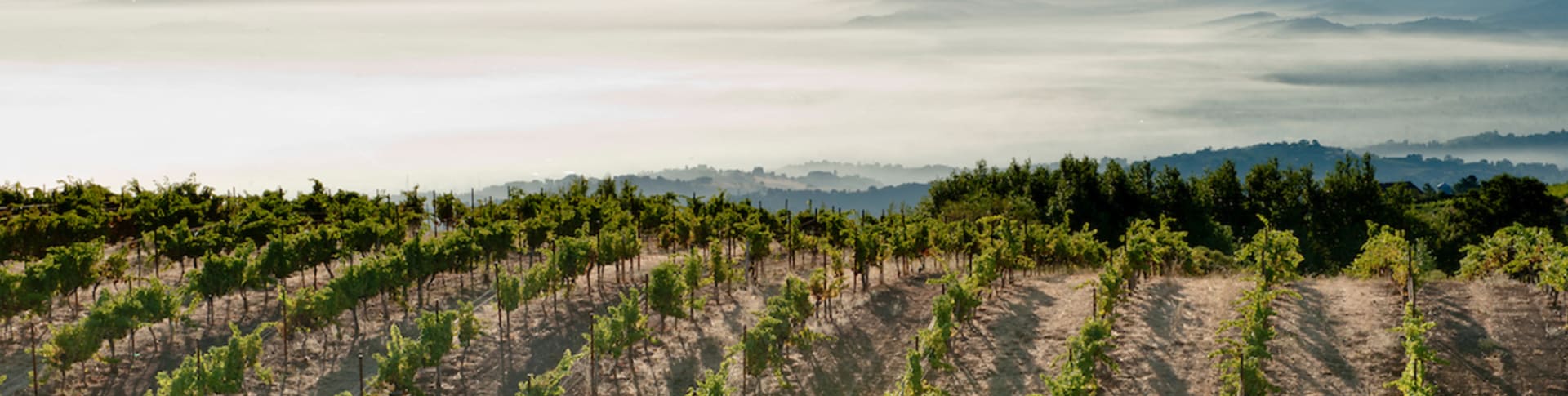




RIDGE's history begins in 1885, when Osea Perrone, a doctor and prominent member of San Francisco's Italian community, bought 180 acres near the top of Monte Bello Ridge in the Santa Cruz Mountains. He planted vineyards and constructed a winery of redwood and native limestone in time to produce the first vintage of Monte Bello in 1892. The historic building now serves as the RIDGE production facility.
In 1962, Ridge Vineyards made its first Monte Bello, and two years later its first zinfandel. The RIDGE approach is straightforward: find the most intense and flavorful grapes, guide the natural process, draw all the fruit's richness into the wine. Decisions on when to pick, when to press, when to rack, what varietals and what parcels to include and when to bottle, are based on taste. To retain the nuances that increase complexity, Ridge winemakers handle the grapes and wine as gently as possible. There are no recipes, only attention and sensitivity.
In August 2021, Ridge Vineyards joined International Wineries for Climate Action (IWCA), a group of like-minded wineries that are dedicated to decarbonizing the global wine industry. RIDGE is committed to achieving Net Zero by 2050 and completes a biannual greenhouse gas audit utilizing the World Resources Institute Greenhouse Gas (GHG) Protocol methodology and be verified by an internationally accredited, third-party auditor.

With hundreds of red grape varieties to choose from, winemakers have the freedom to create a virtually endless assortment of blended red wines. In many European regions, strict laws are in place determining the set of varieties that may be used, but in the New World, experimentation is permitted and encouraged resulting in a wide variety of red wine styles. Blending can be utilized to enhance balance or create complexity, lending different layers of flavors and aromas. For example, a red wine blend variety that creates a fruity and full-bodied wine would do well combined with one that is naturally high in acidity and tannins. Sometimes small amounts of a particular variety are added to boost color or aromatics. Blending can take place before or after fermentation, with the latter, more popular option giving more control to the winemaker over the final qualities of the wine.
How to Serve Red Wine
A common piece of advice is to serve red wine at “room temperature,” but this suggestion is imprecise. After all, room temperature in January is likely to be quite different than in August, even considering the possible effect of central heating and air conditioning systems. The proper temperature to aim for is 55° F to 60° F for lighter-bodied reds and 60° F to 65° F for fuller-bodied wines.
How Long Does Red Wine Last?
Once opened and re-corked, a bottle stored in a cool, dark environment (like your fridge) will stay fresh and nicely drinkable for a day or two. There are products available that can extend that period by a couple of days. As for unopened bottles, optimal storage means keeping them on their sides in a moderately humid environment at about 57° F. Red wines stored in this manner will stay good – and possibly improve – for anywhere from one year to multiple decades. Assessing how long to hold on to a bottle is a complicated science. If you are planning long-term storage of your reds, seek the advice of a wine professional.
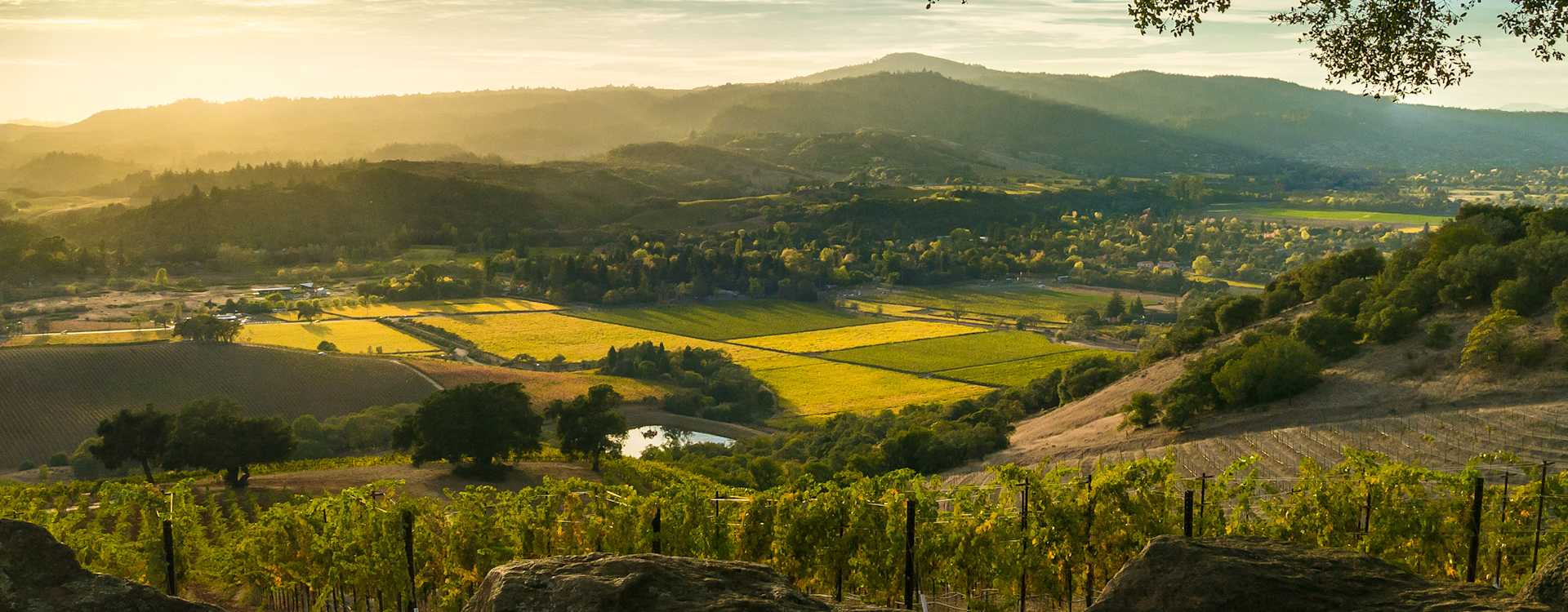
Home to a diverse array of smaller AVAs with varied microclimates and soil types, Sonoma County has something for every wine lover. Physically twice as large as Napa Valley, the region only produces about half the amount of wine but boasts both tremendous quality and variety. With its laid-back atmosphere and down-to-earth attitude, the wineries of Sonoma are appreciated by wine tourists for their friendliness and approachability. The entire county intends to become a 100% sustainable winegrowing region by 2019.
Sonoma County wines are produced with carefully selected grape varieties to reflect the best attributes of their sites—Dry Creek Valley’s consistent sunshine is ideal for Zinfandel, while the warm Alexander Valley is responsible for rich, voluptuous red wines like Cabernet Sauvignon. Chardonnay and Pinot Noir are important throughout the county, most notably in the cooler AVAs of Russian River, Sonoma Coast and Carneros. Sauvignon Blanc, Merlot and Syrah have also found a firm footing here.