
Winemaker Notes
Professional Ratings
-
Robert Parker's Wine Advocate
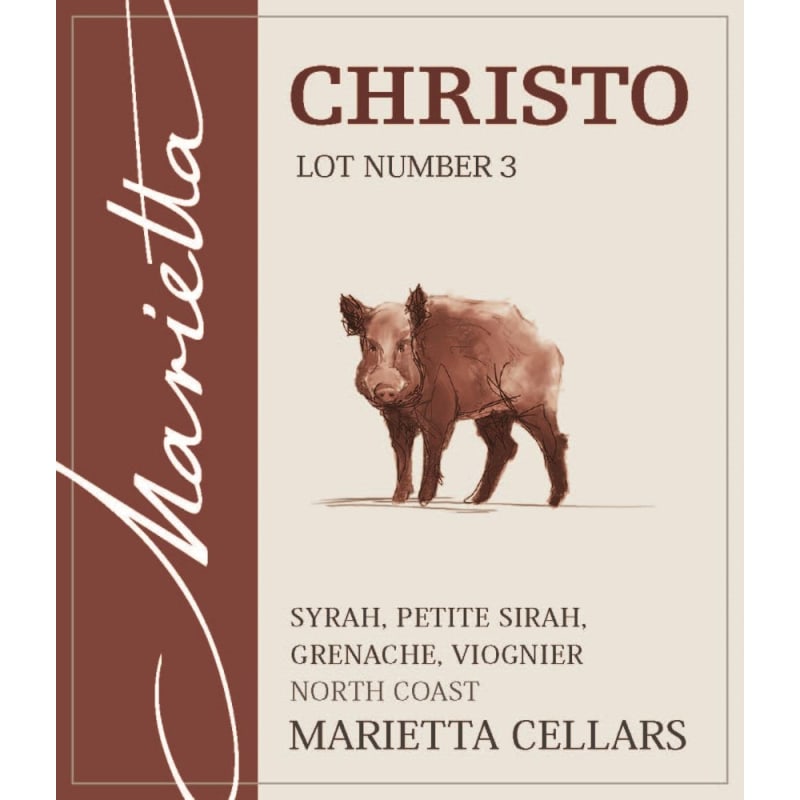
There are approximately 12,000 cases of the NV Christo Lot 3, which is a hedonistic blend of Grenache, Syrah, Petite Sirah and a touch of Viognier to uplift the aromatics. This is, again, aged in neutral oak for two years and a blend of three vintages: 2011, 2012 and 2013. This is my favorite of all of these wines – a wine of exceptional purity and intensity and plenty of character, as this one is 70% Syrah and the rest the other three grapes. It tips the scales at a lofty 15.3% alcohol, but it’s well hidden behind a cascade of blackberry and cassis fruit, roasted meats, steak tartare, licorice and Provençal herbs. It’s a big boy, and that’s exactly the way they want it. This wine should drink well for 7-8 years, but it’s meant to be consumed in its exuberant youthfulness.
-
Wine Enthusiast
Dark, dense, rich and spicy, this Rhone-style blend is impressively delicious. Full bodied, it's saturated with blackberry, cinnamon and black-pepper flavors supported by fine-grained tannins. While it packs a punch, it is well balanced for a big, assertive wine, and will be best after 2019.
Editors' Choice.




Starting with only a handful of purchased grapes in 1978, Marietta Cellars has been a standout winery in Sonoma and Mendocino since the very beginning. Founded by Chris Bilbro, a Sonoma County native with winemaking roots dating back three generations, Marietta rose to prominence with its revolutionary Old Vine Red, a California red blend that essentially created the category. The winery has slowly expanded its estate holdings over the past thirty years, evolving into a beacon for high quality, balanced Cabernet Sauvignon, Zinfandel, and Rhône variety blends. Now fully estate-based and organically farmed, Marietta has vineyards spanning 310 acres in the Alexander Valley, McDowell Valley, and Yorkville Highlands. Notable among their heritage plantings are California’s oldest Syrah blocks, planted in the late 1800s.
Scot Bilbro, Chris’s son, has brought Marietta into its next, incredibly exciting phase. After graduating from UC Davis with a degree in Viticulture and Enology in 2007, Scot joined the winery full-time, assuming the role of winemaker in 2012. Steeped in the history of the California wine country and the traditions established by his father, Scot combines his creativity and technical background in guiding the winery’s vision of viticulture and winemaking. Today, the fusion of traditional values and style with modern precision have culminated in the most highly regarded wines of Marietta’s four decade history.

With hundreds of red grape varieties to choose from, winemakers have the freedom to create a virtually endless assortment of blended red wines. In many European regions, strict laws are in place determining the set of varieties that may be used, but in the New World, experimentation is permitted and encouraged resulting in a wide variety of red wine styles. Blending can be utilized to enhance balance or create complexity, lending different layers of flavors and aromas. For example, a red wine blend variety that creates a fruity and full-bodied wine would do well combined with one that is naturally high in acidity and tannins. Sometimes small amounts of a particular variety are added to boost color or aromatics. Blending can take place before or after fermentation, with the latter, more popular option giving more control to the winemaker over the final qualities of the wine.
How to Serve Red Wine
A common piece of advice is to serve red wine at “room temperature,” but this suggestion is imprecise. After all, room temperature in January is likely to be quite different than in August, even considering the possible effect of central heating and air conditioning systems. The proper temperature to aim for is 55° F to 60° F for lighter-bodied reds and 60° F to 65° F for fuller-bodied wines.
How Long Does Red Wine Last?
Once opened and re-corked, a bottle stored in a cool, dark environment (like your fridge) will stay fresh and nicely drinkable for a day or two. There are products available that can extend that period by a couple of days. As for unopened bottles, optimal storage means keeping them on their sides in a moderately humid environment at about 57° F. Red wines stored in this manner will stay good – and possibly improve – for anywhere from one year to multiple decades. Assessing how long to hold on to a bottle is a complicated science. If you are planning long-term storage of your reds, seek the advice of a wine professional.

Reaching up California's coastline and into its valleys north of San Francisco, the North Coast AVA includes six counties: Marin, Solano, Napa, Sonoma, Mendocino and Lake. While Napa and Sonoma enjoy most of the glory, the rest produce no shortage of quality wines in an intriguing and diverse range of styles.
Climbing up the state's rugged coastline, the chilly Marin County, just above the City and most of Sonoma County, as well as Mendocino County on the far north end of the North Coast successfully grow cool-climate varieties like Pinot Noir, Chardonnay and in some spots, Riesling. Inland Lake County, on the other hand, is considerably warmer, and Cabernet Sauvignon, Zinfandel and Sauvignon Blanc produce some impressive wines with affordable price tags.