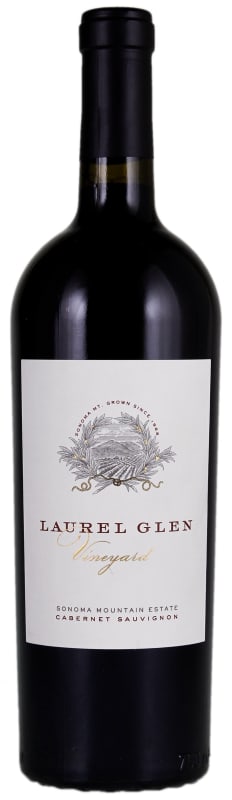


Winemaker Notes
This wine has jammy fruit aromas of blueberries and blackberries, as well as notes of crushed rocks and dried flowers. On the palate, the wine has higher acidity to balance out the flavors of dark chocolate, pie filling, and elegantly smooth tannins.
Professional Ratings
-
Wine & Spirits
As caretaker of this historic vineyard since 2011, Bettina Sichel has sustained Laurel Glen at the top-echelon of California cabernet elegance. Back in 1968, Patrick Campbell planted the original vines on an east-northeast-facing plateau—with an assist from a 13-year-old neighbor, Phil Coturri, who would come on board to manage the vineyard for Sichel and gain organic certification in 2014. Randall Watkins has made the wines since 2011, including this finely detailed 2018, a wine that leave a layered sensation of tannins and fruit skin and fruit flesh on the breath. The fruit lasts on the fragrance of fruit blossoms, cherry blossoms and cherry leaf, the flavor lush and delicious, an herbal bath with red fruit surround sound.


A noble variety bestowed with both power and concentration, Cabernet Sauvignon enjoys success all over the globe, its best examples showing potential to age beautifully for decades. Cabernet Sauvignon flourishes in Bordeaux's Medoc where it is often blended with Merlot and smaller amounts of some combination of Cabernet Franc, Malbecand Petit Verdot. In the Napa Valley, ‘Cab’ is responsible for some of the world’s most prestigious, age-worthy and sought-after “cult” wines. Somm Secret—DNA profiling in 1997 revealed that Cabernet Sauvignon was born from a spontaneous crossing of Cabernet Franc and Sauvignon Blanc in 17th century southwest France.
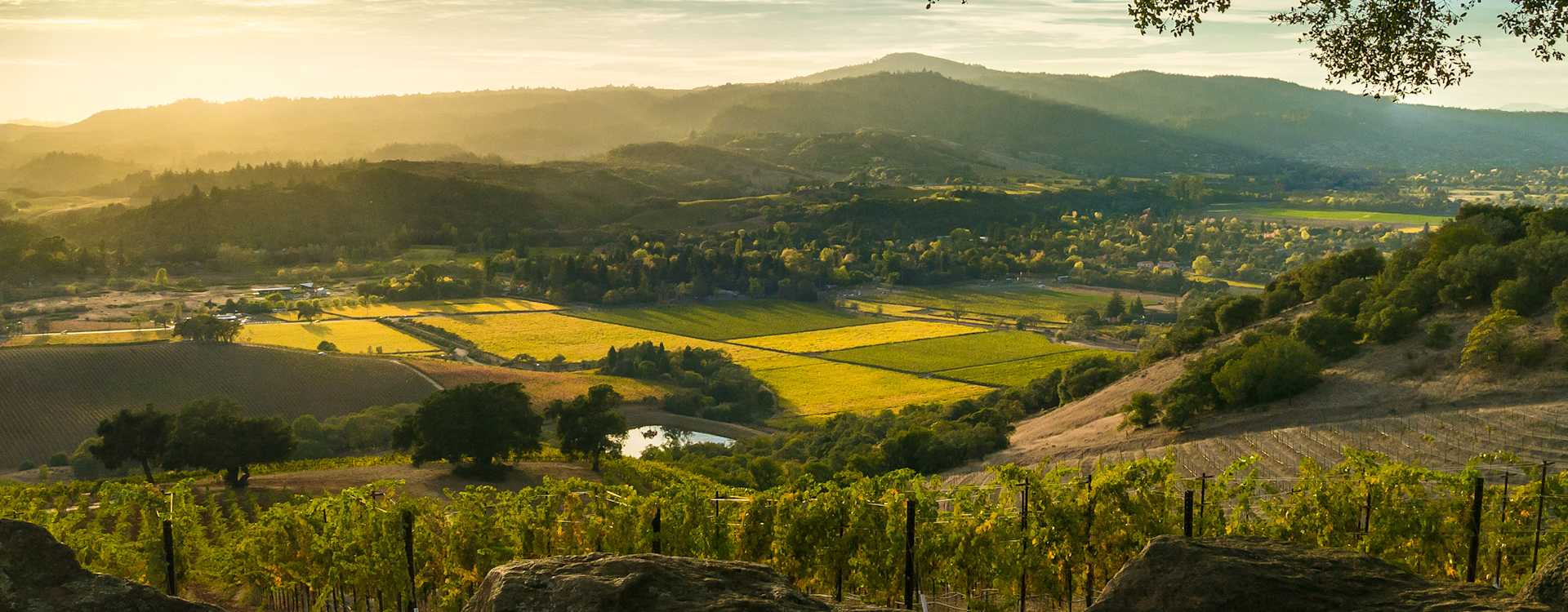
Defined more by altitude than geographical outline, the Sonoma Mountain appellation occupies elevations between 400 and 1,200 feet on the northern and eastern slopes of the actual Sonoma Mountain and is part of the greater Sonoma Valley appellation. The mountain reaches 2,400 feet; its hills separate the cooling winds of Petaluma Gap from the Sonoma Valley.
On a cooler western flank, Pinot noir, Chardonnay and Syrah enjoy a great deal of success. Vineyards on its warmer, eastern side, interspersed with heavily forested areas, tend to include Cabernet Sauvignon, Sauvignon Blanc, Zinfandel, and Syrah. Given its complexity of topography and mesoclimates, Sonoma Mountain excels with a wide range of grape varieties.