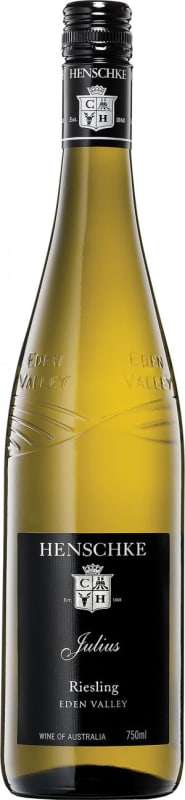


Winemaker Notes
Pale straw with lime green hues. Lifted and fragrant aromas of citrus florals, frangipani, finger lime and kaffir lime leaf, with hints of bath salts and green peppercorn. Excellent flavor intensity showing concentrated citrus flavors of lime juice and Meyer lemon, supported by minerality and crispness for an incredibly long and dry finish.
Pair with crumbed King George Whiting, yoghurt tartare, and herb salad.
Professional Ratings
-
James Suckling
Rather discreet and restrained on the nose with aromas of sliced lemon, wet stone, white peach and green apple. The palate is refined and focused with a fine line of acidity, a generous fruit-driven mid-palate and a salivating mineral finish. Give it some time to open up. Drink or hold. Screw cap.
-
Robert Parker's Wine Advocate
The 2025 Julius Riesling leads with an ultra pretty nose of pressed flowers, crushed quartz, white beach sand and loads of fruit that firmly places on the white end of the spectrum. In the mouth, the wine is tight and saline, with sleek, closed phenolics and persistent acidity through the long finish. This is a great wine in almost any season, which come as a surprise to no one who follows the viticultural philosophy of Pru Henschke.
-
Wine Spectator
Light and fresh but not shy on flavor, with pineapple, apricot and Key lime flavors on a mouthwatering frame. Notes of beeswax, orange blossoms, white pepper and green tea linger on the impressive finish. Drink now through 2038.


Riesling possesses a remarkable ability to reflect the character of wherever it is grown while still maintaining its identity. A regal variety of incredible purity and precision, this versatile grape can be just as enjoyable dry or sweet, young or old, still or sparkling and can age longer than nearly any other white variety. Somm Secret—Given how difficult it is to discern the level of sweetness in a Riesling from the label, here are some clues to find the dry ones. First, look for the world “trocken.” (“Halbtrocken” or “feinherb” mean off-dry.) Also a higher abv usually indicates a drier Riesling.
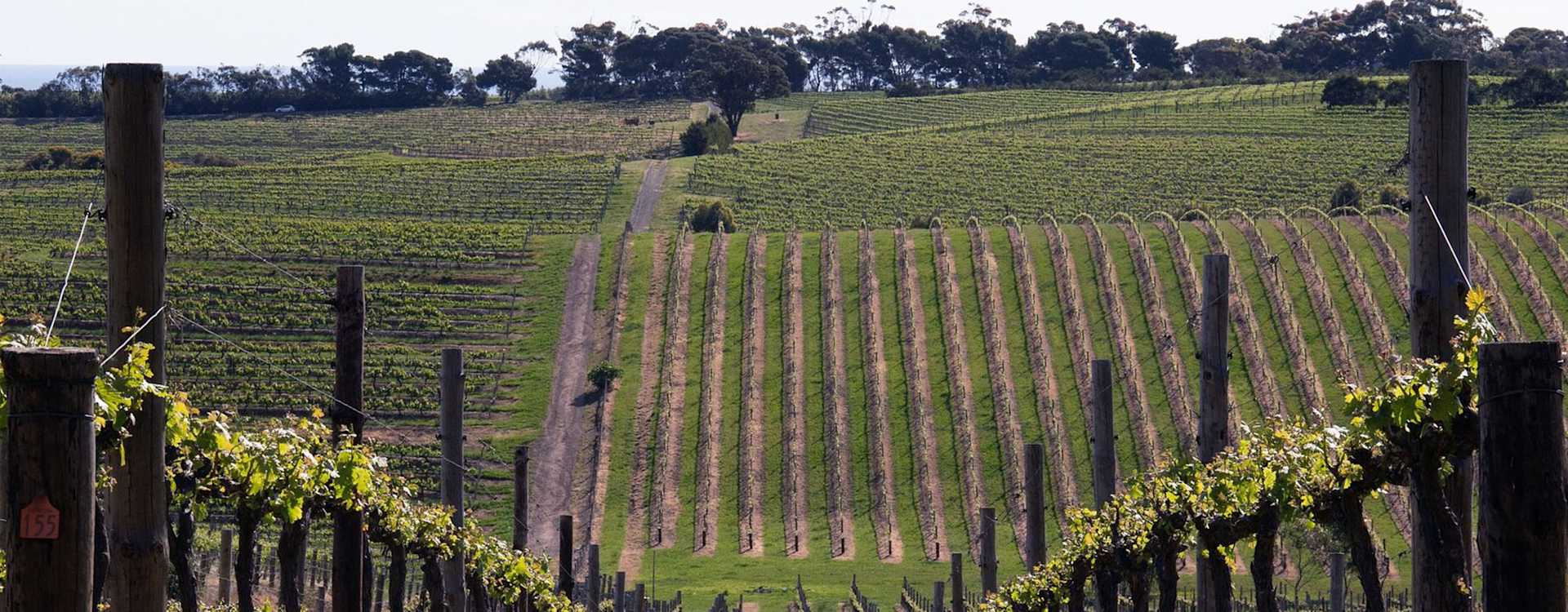
Higher in elevation and topographically more dramatic than the Barossa Valley floor, Eden Valley abuts it to its south and east. While it is a bit of an extension of Barossa, Eden Valley is topographically different than the pastoral Barossa Valley, and is composed of rocky hills and eucalyptus groves.
Recognizing Eden Valley’s potential with Riesling in the 1960s and 70s, producers started to move their Riesling production from Barossa to these better sites where schist soils on hilltops would produce more steely, tart and age-worthy examples. A most famous site, planted by Colin Gramp, called Steingarten, today produces one of the most outstanding Australian Rieslings. Youthful Eden Valley Rieslings express floral, grapefruit and mineral, while with time in the bottle, they become increasingly toasty and complex.
Riesling isn’t the only grape the region can grow; undeniably at lower altitudes Shiraz does very well. Mount Edelstone is a notable vineyard as well as the Hill of Grace, which boasts healthy Shiraz vines well over 100 years old. This is the only Australian region where Merlot has a made a name for itself and Chardonnay can be spectacular, particularly from the High Eden subregion in the southern valley.