

Winemaker Notes
Professional Ratings
-
Wine Spectator
Elegant and smooth, with a snappy, fresh acidity. Lemon bar, nectarine, apple and Meyer lemon flavors are bright and clean, offering smoke and floral hints.
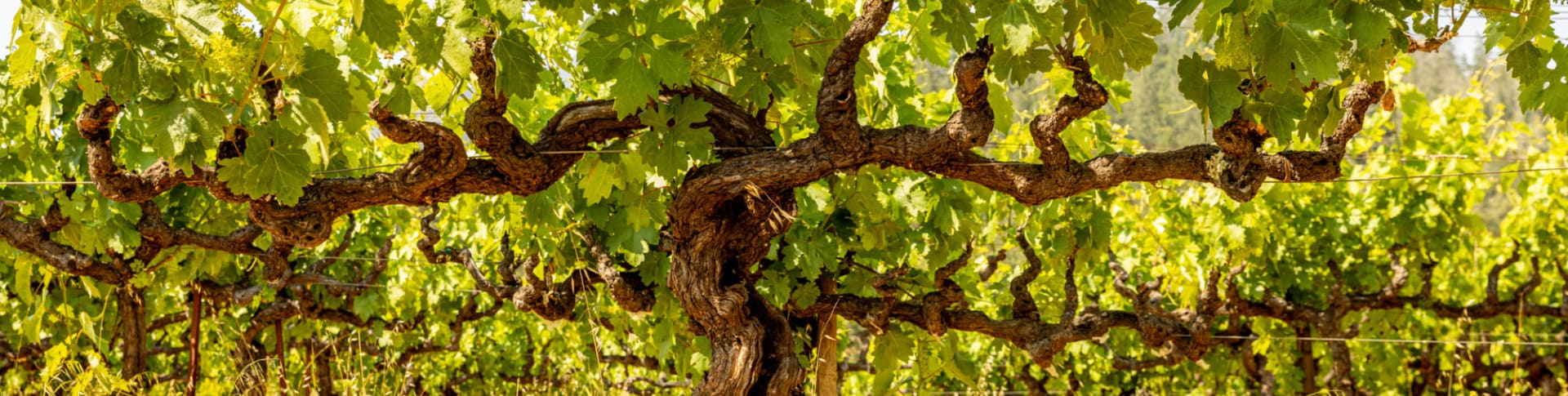




As a family-owned and operated winery, Grgich Hills Estate is committed to crafting wines of the highest standard and consistency. Their dedication to these principles has led to the achievement of Regenerative Organic Certification for all five of their estate vineyards in December 2022. This system prioritizes the long-term health and longevity of their vines, revitalizes the land, and allows for the creation of wines that are unmatched in their quality and expression of terroir.
It is with a spirit of curiosity, discovery, and excellence that Miljenko “Mike” Grgich and partner Austin Hills founded Grgich Hills Estate in 1977, after Mike’s Chateau Montelena Chardonnay won the famed 1976 Paris Tasting. These values propel Grgich Hills Estate forward as they continue to make exquisite wines, while pioneering a sustainable future for Napa Valley.

Apart from the classics, we find many regional gems of different styles.
Late harvest wines are probably the easiest to understand. Grapes are picked so late that the sugars build up and residual sugar remains after the fermentation process. Ice wine, a style founded in Germany and there referred to as eiswein, is an extreme late harvest wine, produced from grapes frozen on the vine, and pressed while still frozen, resulting in a higher concentration of sugar. It is becoming a specialty of Canada as well, where it takes on the English name of ice wine.
Vin Santo, literally “holy wine,” is a Tuscan sweet wine made from drying the local white grapes Trebbiano Toscano and Malvasia in the winery and not pressing until somewhere between November and March.
Rutherglen is an historic wine region in northeast Victoria, Australia, famous for its fortified Topaque and Muscat with complex tawny characteristics.

One of the world's most highly regarded regions for wine production as well as tourism, the Napa Valley was responsible for bringing worldwide recognition to California winemaking. In the 1960s, a few key wine families settled the area and hedged their bets on the valley's world-class winemaking potential—and they were right.
The Napa wine industry really took off in the 1980s, when producers scooped up vineyard lands and planted vines throughout the county. A number of wineries emerged, and today Napa is home to hundreds of producers ranging from boutique to corporate. Cabernet Sauvignon is definitely the grape of choice here, with many winemakers also focusing on Bordeaux blends. White wines from Napa Valley are usually Chardonnay and Sauvignon Blanc.
Within the Napa Valley lie many smaller sub-AVAs that claim specific wine characteristics based on situation, slope and soil. Farthest south and coolest from the influence of the San Pablo Bay is Carneros, followed by Coombsville to its northeast and then Yountville, Oakville and Rutherford. Above those are the warm St. Helena and the valley's newest and hottest AVA, Calistoga. These areas follow the valley floor and are known generally for creating rich, dense, complex and smooth red wines with good aging potential. The mountain sub appellations, nestled on the slopes overlooking the valley AVAs, include Stags Leap District, Atlas Peak, Chiles Valley (farther east), Howell Mountain, Mt. Veeder, Spring Mountain District and Diamond Mountain District. Napa Valley wines from the mountain regions are often more structured and firm, benefiting from a lot of time in the bottle to evolve and soften.