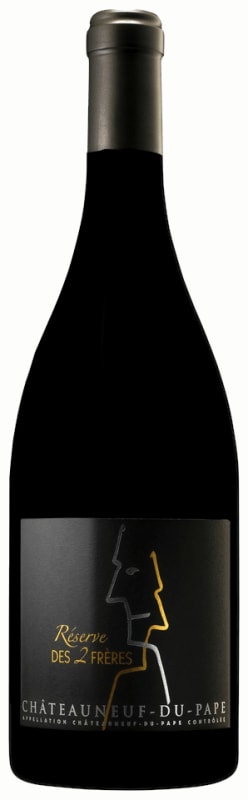


Winemaker Notes
Ample, concentrated, this cuvée develops aromas of black fruits, liquorice as well as smoky notes. The texture is creamy and the tannic structure requires a few years of guarding.
Professional Ratings
-
Jeb Dunnuck
While the 2020 will include a splash of Syrah, the 2019 Châteauneuf Du Pape Réserve Des Deux Frères is its normal 100% Grenache and is a selection made in the cellar. In 2019, it ended up being roughly 30% new oak, and I think there were some stems included as well. It’s another magical wine from this estate, boasting a dense purple hue as well as a perfume of black raspberries, cassis, blueberry liqueur, spring flowers, toasted bread, and lavender. Full-bodied on the palate, with an incredible mouthfeel, riveting purity, and ultra-fine tannins, it’s unquestionably one of the all-time greats of this cuvée. Give bottles 3-4 years and enjoy over the following two decades or more.
-
Robert Parker's Wine Advocate
Even more packed with fruit and overall intensity than the Cuvée Mon Aieul, the 2019 Chateauneuf du Pape Reserve des 2 Freres is also all whole-cluster Grenache, but matured in 300-liter barrels, approximately 20% new. Smoky and herbal on the nose, it's also richly fruited, with a never-ending stream of black cherries. Full-bodied, velvety and plush, it's a hugely intense, hedonistic expression of Grenache and Chateauneuf du Pape.
-
Wine Enthusiast
With streaks of vanilla cream and gingersnap, this massive varietal Grenache shows unabashedly forward flair. Vinified with no stems and matured entirely in oak (a judicious selection of demi-muid and two to three year old barrique this vintage), it’s a pulsating cherry-berry delight accented with cocoa and sun-scorched garrigue. Editors’ Choice
-
Wine Spectator
Sports a toasty note, with espresso crema and singed vanilla hints gilding the core of cassis, cherry puree and melted red and black licorice flavors. This is weighty but with definition, as violet and lavender nuances chime in on the lush finish, giving it contrast and detail.
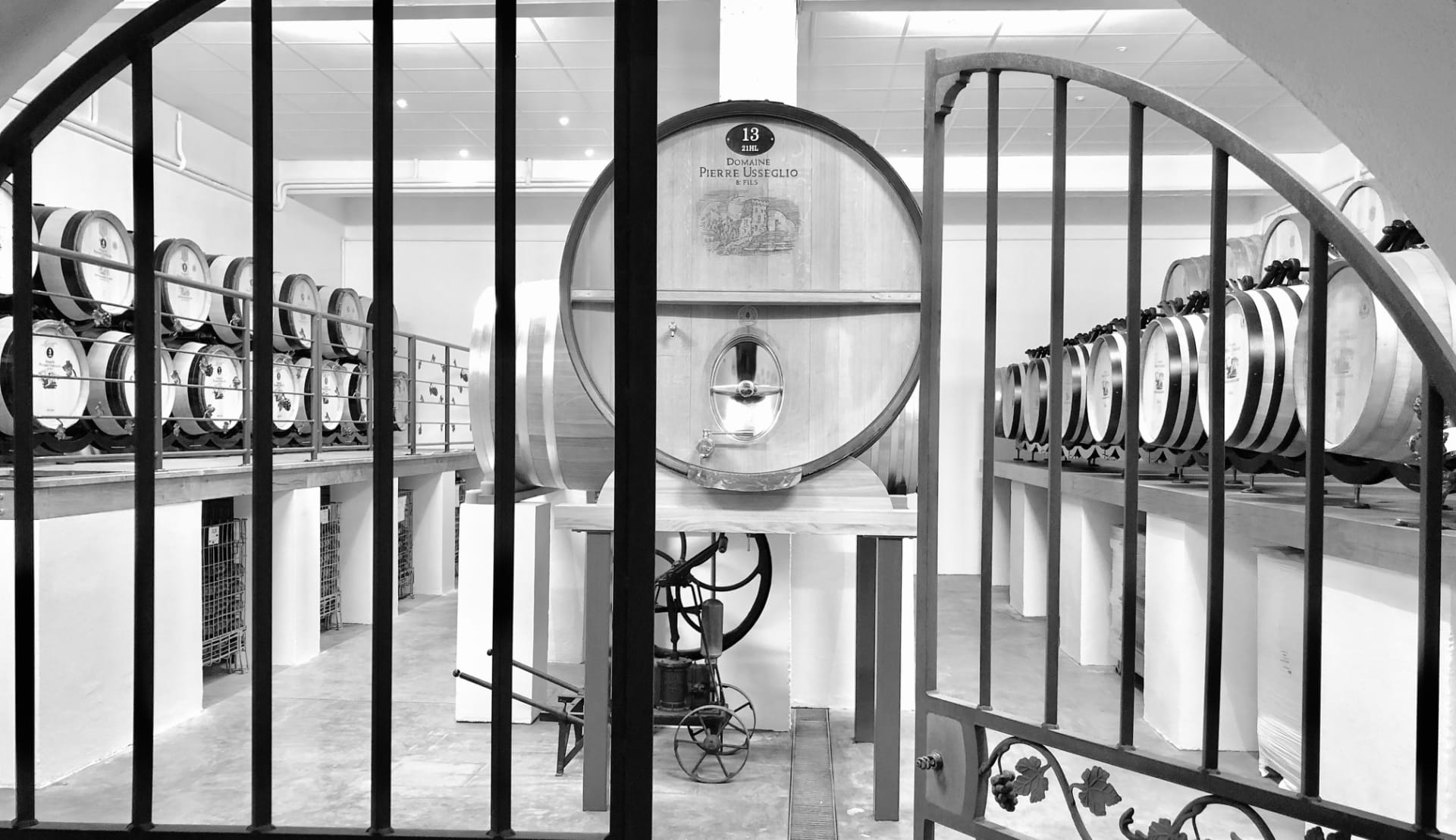



In 1931 an Italian Francis Usseglio left Italy and went to Chateauneuf du Pape in France. Here he got a job at some winegrowers. After the war he got his own property - in 1948. He had two sons Pierre and Raymond. Pierre Usseglio got his father's property and Raymond established another estate. Today the 3. generation is in charge. The sons of Pierre Usseglio, Jean-Pierre and Thierry run Domaine Pierre Usseglio and Stephanie runs Domaine Raymond Usseglio. Today Domaine Pierre Usseglio consists of 21 ha. divided in 15 different parcels in the appellation. Half of the vines are about 60 years old and the rest is about 30 years old.

With bold fruit flavors and accents of sweet spice, Grenache, Syrah and Mourvèdre form the base of the classic Rhône Red Blend, while Carignan, Cinsault and Counoise often come in to play. Though they originated from France’s southern Rhône Valley, with some creative interpretation, Rhône blends have also become popular in other countries. Somm Secret—Putting their own local spin on the Rhône Red Blend, those from Priorat often include Merlot and Cabernet Sauvignon. In California, it is not uncommon to see Petite Sirah make an appearance.

Famous for its full-bodied, seductive and spicy reds with flavor and aroma characteristics reminiscent of black cherry, baked raspberry, garrigue, olive tapenade, lavender and baking spice, Châteauneuf-du-Pape is the leading sub-appellation of the southern Rhône River Valley. Large pebbles resembling river rocks, called "galets" in French, dominate most of the terrain. The stones hold heat and reflect it back up to the low-lying gobelet-trained vines. Though the galets are typical, they are not prominent in every vineyard. Chateau Rayas is the most obvious deviation with very sandy soil.
According to law, eighteen grape varieties are allowed in Châteauneuf-du-Pape and most wines are blends of some mix of these. For reds, Grenache is the star player with Mourvedre and Syrah coming typically second. Others used include Cinsault, Counoise and occasionally Muscardin, Vaccarèse, Picquepoul Noir and Terret Noir.
Only about 6-7% of wine from Châteauneuf-du-Pape is white wine. Blends and single-varietal bottlings are typically based on the soft and floral Grenache Blanc but Clairette, Bourboulenc and Roussanne are grown with some significance.
The wine of Chateauneuf-du-Pape takes its name from the relocation of the papal court to Avignon. The lore says that after moving in 1309, Pope Clément V (after whom Chateau Pape-Clément in Pessac-Léognan is named) ordered that vines were planted. But it was actually his successor, John XXII, who established the vineyards. The name however, Chateauneuf-du-Pape, translated as "the pope's new castle," didn’t really stick until the 19th century.