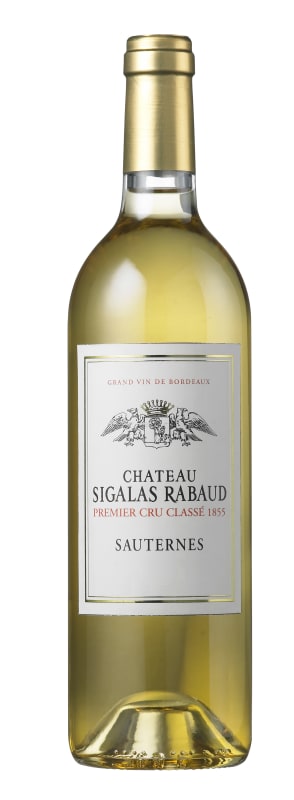


Winemaker Notes
Blend: 95% Sémillon, 5% Sauvignon Blanc
Professional Ratings
-
Vinous
The 2014 Sigalas Rabaud has a similar bouquet to the bottle tasted six years earlier: elegant and lighter in style, pure honey and quince though less of the flinty note this time. The palate is very well-balanced with marmalade and honey, spicier than the 2013 with far more complexity and outstanding purity on the finish. It's absolutely delicious to drink now. Tasted from a bottle sent directly from Sigalas Rabaud to the UK.
-
Wine Spectator
Tropical in feel, with mango and guava notes holding sway, backed by hints of nectarine, tangerine and bitter almond. The long, piecrust- and coconut-framed finish rolls through languidly. Best from 2018 through 2033. Tasted twice, with consistent notes.
-
James Suckling
Full-throttle mango brulée on the nose and palate, and there’s a good amount of botrytis richness. Tangy and beautiful. Solid intensity.


Sometimes light and crisp, other times rich and creamy, Bordeaux White Blends typically consist of Sauvignon Blanc and Semillon. Often, a small amount of Muscadelle or Sauvignon Gris is included for added intrigue. Popularized in Bordeaux, the blend is often mimicked throughout the New World. Somm Secret—Sauternes and Barsac are usually reserved for dessert, but they can be served before, during or after a meal. Try these sweet wines as an aperitif with jamón ibérico, oysters with a spicy mignonette or during dinner alongside hearty Alsatian sausage.

Sweet and unctuous but delightfully charming, the finest Sauternes typically express flavors of exotic dried tropical fruit, candied apricot, dried citrus peel, honey or ginger and a zesty beam of acidity.
Sémillon, Sauvignon Blanc, Sauvignon Gris and Muscadelle are the grapes of Sauternes. But Sémillon's susceptibility to the requisite noble rot makes it the main variety and contributor to what makes Sauternes so unique. As a result, most Sauternes estates are planted to about 80% Sémillon. Sauvignon is prized for its balancing acidity and Muscadelle adds aromatic complexity to the blend with Sémillon.
Botrytis cinerea or “noble rot” is a fungus that grows on grapes only in specific conditions and its onset is crucial to the development of the most stunning of sweet wines.
In the fall, evening mists develop along the Garonne River, and settle into the small Sauternes district, creeping into the vineyards and sitting low until late morning. The next day, the sun has a chance to burn the moisture away, drying the grapes and concentrating their sugars and phenolic qualities. What distinguishes a fine Sauternes from a normal one is the producer’s willingness to wait and tend to the delicate botrytis-infected grapes through the end of the season.