


Winemaker Notes
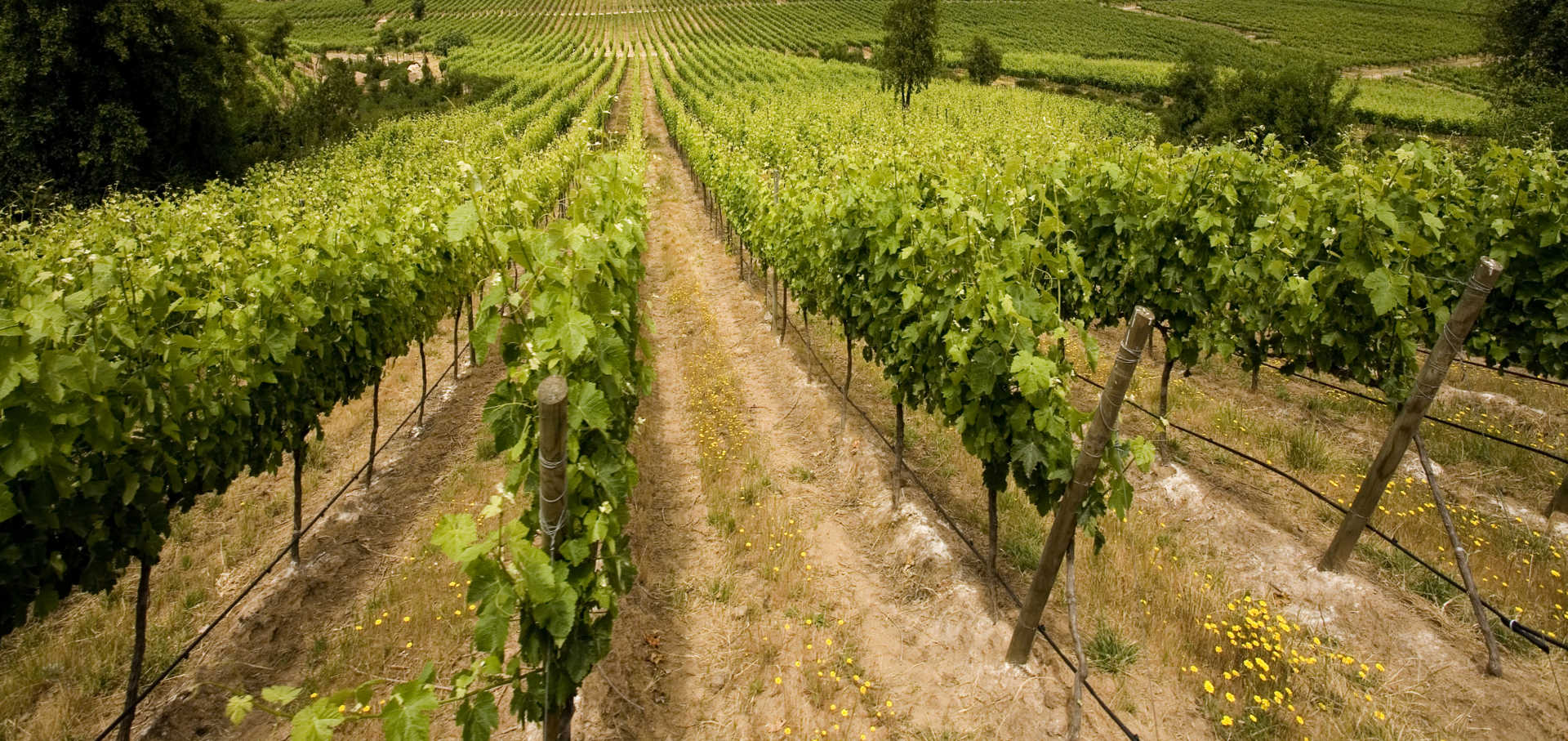


Chateau Maris is the vision of Englishman Robert Eden, who emigrated to France over 20 years ago to pursue his dream of crafting wines that reflect, rather than mask the land on which the grapes are grown. Robert's approach to winemaking is based on the fundamental premise that wine is "grown", not "made".
To craft wines that reveal the true character of the land, Chateau Maris strictly adheres to biodynamics, which is in effect a supercharged system of organic farming. Similar to organic farming, biodynamics adopts a holistic approach that views the entire vineyard as a living system that is impacted by its surroundings. Biodynamics seeks to encourage vitality in the vineyard by introducing live matter into the soil through intensive composting. In addition, biodynamics places a strong emphasis on harnessing naturally occurring cycles.
The entire estate is certified Organic as well as certified Biodynamic, using homeopathic preparations instead of chemicals on its land. The cellar itself is the only building in existence constructed entirely with hemp blocks and contains no paint, no plastic, no chemicals. Thanks to the geothermal properties of hemp, the cellar has no heating nor cooling system, making the project not only energy self-sufficient but making the project one of the few carbon-negative constructions in the world.

What is orange wine?
“Orange wine” is the most common term in modern American culture used to describe a white wine that is made like a red wine. In other words, it is a white wine made from white grapes that ferment while in contact with their skins (rather than being pressed). You’ll also see the terms, “skin-contact wine,” or in Italian, ramato (copper-colored) to describe this style.
How is orange wine made?
In modern winemaking, to make fresh white wine, pale-skinned grapes need to be pressed immediately after harvest so that the juice can ferment free from the skins and seeds. In ancient winemaking they didn’t have presses or other fancy winery equipment so made use of the tools at hand—mainly just vats for fermenting. This skin-contact style dates back to the 6th millennium BC in what is modern day Georgia (the country). At that time, they fermented ripe white grapes together with their skins, seeds and stems in a clay amphora, called a qvevri, which were sealed and buried in underground vessels for 5-6 months.
Where does orange wine come from?
Today’s modern skin-contact winemakers pay homage to this non-interventionist style of white winemaking. Though some people dismiss it as a fad, this age-old style has been resurfacing on the global scene over the last twenty or so years. Multiple countries make it—Georgia (of course), Slovenia, Italy, the U.S. and Australia to name a few. Each country produces this style in a different way with time on skins ranging anywhere from a half a day to multiple weeks. This creates a range of results in the finished wine. The color of these wines can be golden yellow to vibrant popsicle orange.
Tasting notes for orange wine
The time on skins also adds tannins and phenols to the finished wine and skin-contact wines normally show off a bright acidity. Typical flavors and aromas include bruised apple, peach, orange rind, lemongrass, lemon balm, chamomile, juniper, ginger, exotic spice, honey, beeswax and hazelnut.
Perfect food pairings for orange wine
Because of their complexity in aromas and flavors, structure and good acidity, skin-contact wines pair with a wide variety of foods. Common pairings include cream sauces, curries, spicy foods, roasted poultry and any seafood including shellfish.

Granted its own appellation within Minervois in the Languedoc region of France, Minervois La Livinière takes its name from cella vinaria, Latin for ‘wine cellar.’ In the hilly northern end of Minervois, the altitude and dense, rocky limestone soils of La Liviniere produce quality red Rhône Blends made from Syrah, Mourvedre, Grenache and Carignan.