Sushi and wine are a natural pairing, even if sake gets most of the credit. The same qualities that make a wine food-friendly (bright acidity, clean fruit, light body) are exactly what raw fish, vinegared rice, and soy sauce call for. From a crisp Riesling with spicy tuna to Champagne alongside a nigiri platter, the options run wider than you might expect.
Wine and Sushi at a Glance
Wine works with sushi for the same reason it works with oysters, ceviche, and other raw seafood: acidity. A wine with good acidity meets soy sauce the way lemon meets fish, brightening every bite and keeping your palate fresh between pieces. Effervescence takes that a step further. Sparkling wines scrub the palate clean after each round of fatty tuna or rich salmon belly, resetting your taste buds for what comes next.
Light-bodied wines also respect what makes sushi special in the first place. Raw fish is delicate, and a big, tannic red will overwhelm it. Wines that stay lean and bright let the fish, the rice seasoning, and the chef's technique come through.
What about sake? Sake is a great match for sushi, and nobody should talk you out of it. But wine brings something different to the table: a wider range of acidity, sweetness, and aromatics that can be tuned to specific rolls, nigiri styles, and sauces. There is no wrong choice between the two. If anything, the best sushi dinners have room for both.
Quick rule of thumb: Match the weight of your wine to the weight of your sushi. Lighter fish (fluke, snapper) pairs with lighter wines (Pinot Grigio, Sauvignon Blanc). Richer fish (salmon, toro) can handle sparkling wine, dry rosé, or even a light Pinot Noir.
The Best White Wines for Sushi
White wine is the most intuitive starting point for sushi pairing, and for good reason. These four varieties cover the full range of sushi styles, from delicate white fish to bold, wasabi-loaded rolls.
1. Riesling
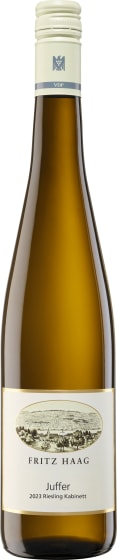
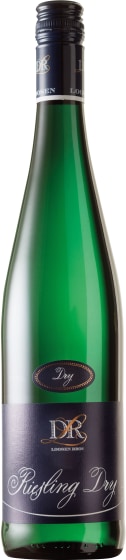
Riesling is the go-to pick for anything with heat. Off-dry versions, typically around 9–11% ABV, carry just enough residual sugar to cool the burn of wasabi and spicy mayo without tasting sweet. That sweetness also balances soy sauce, which tends to amplify salt and pull wines out of balance if they lack a counterweight.
Reach for Riesling with spicy tuna rolls, anything dressed in sriracha, or ginger-heavy preparations. The grape's natural acidity slices through richness, while its aromatic intensity (stone fruit, white flowers, a streak of minerality) holds up against bold flavors that would flatten a quieter wine. German Kabinett-level bottlings hit the sweet spot for sushi: light, aromatic, and low in alcohol.
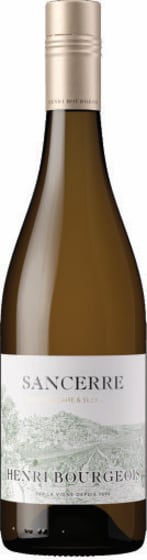
Sauvignon Blanc brings herbal, citrus-driven energy that mirrors many of the garnishes already on a sushi plate. A Loire Valley Sancerre leans mineral and saline, almost oceanic in character, which makes it a seamless fit for white fish nigiri like fluke, snapper, or sea bass. New Zealand bottlings tend toward tropical fruit and jalapeño-like greenness, landing well with avocado-heavy rolls and vegetable maki.
The key quality here is directness. Sauvignon Blanc does not linger or coat. It cuts, refreshes, and moves on, keeping pace with a fast-moving sushi meal.
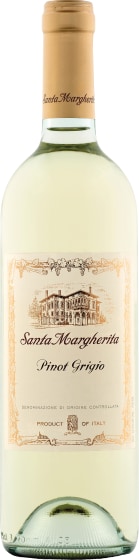
Pinot Grigio is the neutral backdrop that lets subtle sushi speak for itself. It does not compete with cucumber rolls, California rolls, or lighter maki where the fish is mild and the seasoning is restrained. The wine's clean, crisp profile (green apple, pear, a squeeze of citrus) stays out of the way, and its moderate acidity keeps the palate refreshed without adding intensity.
This is a strong pick for mixed-platter situations where you want a single bottle that will not clash with anything on the table. Italian Pinot Grigio from Alto Adige tends to carry more texture and precision than entry-level versions, and the difference shows up clearly next to food.
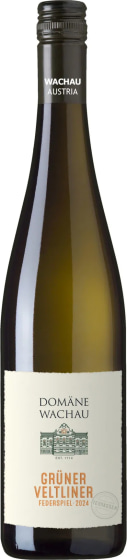
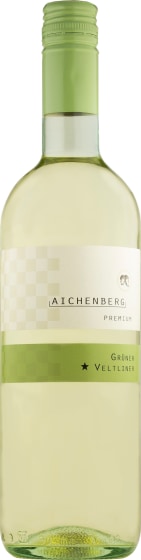
Grüner Veltliner is Austria's answer to the question of what to drink with Japanese cuisine. The grape has a signature white pepper note and herbal freshness that echoes the flavors already present in rolls loaded with shiso, scallion, or pickled vegetables. Its food-friendly acidity sits in the same range as Riesling, but the flavor profile is drier and more savory.
Pour Grüner Veltliner with herb-accented rolls, edamame, seaweed salad, or any sushi course that leans green and vegetal. Most quality bottlings land in the $15 to $25 range, making it an easy, affordable choice for a weeknight sushi run.
Sparkling wine is the most versatile pairing for sushi. The combination of bright acidity and persistent effervescence refreshes the palate after every piece, handles soy sauce and wasabi without flinching, and complements the umami in raw fish instead of fighting it. If you are choosing one bottle for an entire sushi dinner, sparkling wine is the safest and most rewarding bet.
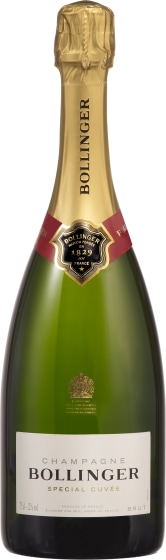
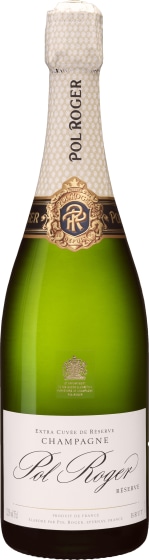
1. Champagne (Brut and Blanc de Blancs)
Champagne is the sommelier's default sushi pairing, and the reasoning is straightforward: its fine, persistent bubbles lift oils from the palate, its mineral backbone echoes the brininess of raw fish, and its toasty, brioche-laced complexity adds a savory dimension that amplifies umami. It does not mask it. Brut Champagne pairs with virtually any nigiri, from tuna and salmon to yellowtail and uni. Blanc de Blancs, made entirely from Chardonnay, runs leaner and more citrus-driven, which makes it especially sharp alongside a full omakase progression where the courses build in richness.
Champagne is among the best food-pairing wines available, and sushi is one of the strongest cases for it. The combination rewards spending a little more: the depth and texture of a quality bottle reveal themselves course by course.
Cava and Prosecco deliver sparkling-wine pairing magic at a fraction of Champagne's price. Both run under $20, making them the obvious choice for a BYOB sushi night or casual takeout dinner. Cava, made in the traditional method like Champagne, tends toward a drier, more mineral profile. Prosecco, made via the tank method, is fruitier and softer, with lively acidity and easygoing fizz.
Either one works well with rolls, hand rolls, and mixed platters. Cava tends to show more yeasty, toasted-bread character from its time on the lees, while Prosecco stays brighter and more fruit-forward. These are not wines you need to overthink. Grab a bottle, keep it cold, and let the bubbles do their job.
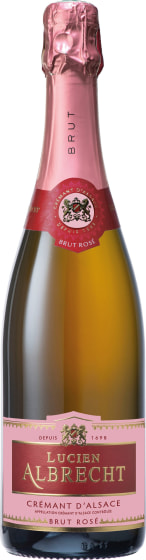
Sparkling rosé bridges the gap between the crispness of white sparkling wine and the berry fruit of still rosé. That extra layer of red-fruit character (strawberry, raspberry, pomegranate) adds dimension without overpowering delicate fish, and it gives the wine enough presence to stand up to richer, fattier cuts like salmon belly and mackerel.
Sparkling rosé is also a strong pick for spicy rolls. The fruit sweetness offers a gentle counterpoint to chili heat, and the bubbles keep everything moving. For a sparkling wine option that feels a bit more adventurous than standard Brut, this is a compelling choice.
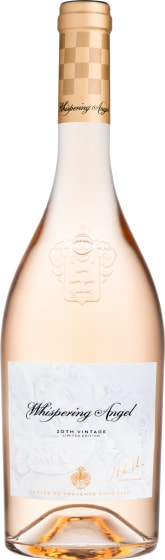
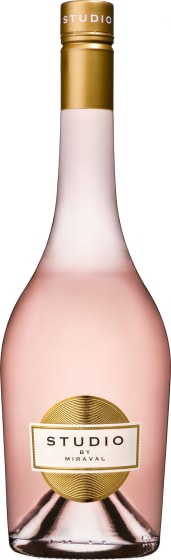
Dry, still rosé is the single-bottle solution for a mixed sushi order. When the table has everything from tuna nigiri to shrimp tempura rolls to spicy salmon, a Provençal rosé handles all of it without breaking a sweat. Provence rosés, typically made from blends of Grenache, Cinsaut, Mourvèdre, and Syrah, land in a Goldilocks zone: enough acidity to pair with raw fish, enough body to handle richer preparations, and enough fruit to complement soy-glazed items without clashing.
The color can be misleading. These wines drink closer to white wines than to reds, with a bone-dry finish, pale salmon hue, and flavors of white peach, watermelon rind, and a whisper of dried herbs. Other dry rosés from regions like the southern Rhône or coastal Spain follow a similar template and work just as well. If you want one versatile bottle and do not feel like choosing between white and sparkling, rosé is the answer.
Red wine and sushi share more common ground than most people assume. The connection runs through one quality: acidity. Pinot Noir, in particular, has the high natural acidity and low tannin that raw fish requires. Its earthy, red-fruited profile (cherry, cranberry, forest floor) complements the savory depth of soy sauce and sesame without overpowering delicate fish.
Reach for Pinot Noir with salmon nigiri, tuna sashimi, or unagi glazed with sweet soy. The wine's supple texture mirrors the fattiness of salmon, and because Pinot Noir carries minimal tannin, there is no metallic aftertaste when it meets the fish. Gamay, the grape behind Beaujolais, offers a lighter, juicier alternative with bright cherry fruit and almost no tannin at all.
The one firm rule with red wine and sushi: stay light-bodied and low-tannin. Cabernet Sauvignon, Malbec, and Syrah will clash with raw fish. Tannins interact with the proteins and oils in sushi in ways that produce bitter, metallic flavors on the palate. Stick to reds that feel closer to a rich white wine in weight, and you will be in safe territory.
What Is the Single Best Wine to Bring to a Sushi Dinner?
Brut Champagne or another dry sparkling wine is the most versatile choice. The bubbles refresh your palate between bites, the acidity complements soy sauce, and the wine's mineral, toasty character amplifies the umami in raw fish. If Champagne is outside your budget, a quality Cava or Prosecco Brut delivers much of the same pairing versatility for under $20. You genuinely cannot go wrong with bubbles and sushi.
Can You Drink Red Wine with Sushi?
Yes, as long as you stick with light-bodied, low-tannin reds. Pinot Noir is the classic choice: its high acidity, silky texture, and restrained tannins make it a natural fit for salmon, tuna, and soy-glazed items. Gamay from Beaujolais works the same way. Avoid full-bodied, tannic reds like Cabernet Sauvignon or Malbec, which produce bitter, metallic flavors when paired with raw fish.
What Wine Pairs Best with Spicy Tuna Rolls?
Off-dry Riesling is the strongest match. The wine's touch of residual sugar cools the heat from chili paste and spicy mayo, and its bright acidity cuts through the richness of the tuna. German Kabinett-level Rieslings, typically around 9–11% ABV, hit the ideal balance of sweetness and freshness for spicy sushi.
Is Sake or Wine Better with Sushi?
Both work, and there is no wrong choice. Sake shares a cultural connection with sushi and complements the rice and umami beautifully. Wine brings a broader toolkit of acidity, sweetness, and aromatics that can be tailored to specific rolls and fish preparations. Many sushi restaurants pour both, and the best meals often include a glass of each.
What Wine Should I Bring to a BYOB Sushi Restaurant?
A sparkling wine under $25 is the most reliable BYOB pick. Cava Brut or Prosecco Brut both run well under that ceiling and pair with everything from simple rolls to sashimi platters. They are crowd-pleasers that feel festive without requiring a big investment, and they stay refreshing throughout a long meal.
Your Next Bottle
Spicy tuna with off-dry Riesling, a full omakase spread with Brut Champagne, Tuesday-night takeout with a bottle of Cava: wine and sushi pair well across the entire spectrum, from the casual to the celebratory. The variety of options means you can match a bottle to the occasion, the fish, and even your mood.
Wine.com carries over 16,000 wines, including every style covered in this guide, from German Kabinett Riesling and Champagne to Provençal rosé and food-friendly Pinot Noir. Whatever your next sushi night calls for, the right bottle is already here.