Green / Sustainable 131 Items

You're no longer following this brand
You'll no longer receive alerts for new arrivals and brand updates
-
Product Types Any
-
Gift Type Any
-
Occasion Any
-
Curated Set Contents Any
-
Spirit Type Any
-
Wine Type Any
-
Region Any
-
Availability Include Out of Stock
-
Size & Type Green
-
Fine Wine Any
-
Vintage 2015
-
Reviewed By Robert Parker's Wine Advocate
-
Sort By Relevancy
-
 Andre Brunel Cotes du Rhone Villages Cuvee Sabrine 2015Cotes du Rhone Villages, Rhone, France ● Rhône Blends
-
Robert
Parker
4.2 Very Good (70)- Green
Ships TomorrowLimit 120 per customerSold in increments of 0 -
Robert
-
 Plateau des Chenes Lirac Rouge 2015Rhone, France ● Rhône Blends
-
Robert
Parker -
Wine
Spectator
4.0 Very Good (10)- Green
Ships TomorrowLimit 120 per customerSold in increments of 0 -
Robert
-
 Domaine Saint-Damien Cotes-du-Rhone Villages Plan de Dieu Vieilles Vignes 2015Cotes du Rhone, Rhone, France ● Rhône Blends
-
Robert
Parker
- Green
Ships TomorrowLimit 120 per customerSold in increments of 0 -
Robert
-
 Roger Sabon Chateauneuf-du-Pape Renaissance Blanc 2015Chateauneuf-du-Pape, Rhone, France ● Rhône White Blends
-
Robert
Parker -
Wine
Spectator
- Green
Ships TomorrowLimit 120 per customerSold in increments of 0 -
Robert
-
 Chateau Puech-Haut La Closerie du Pic 2015Languedoc, South of France, France ● Rhône Blends
-
Robert
Parker
4.4 Very Good (12)- Green
Ships TomorrowLimit 120 per customerSold in increments of 0 -
Robert
-
 Bila-Haut by Michel Chapoutier Cotes du Roussillon Villages 2015Côtes du Roussillon-Villages, Roussillon, South of France, France ● Rhône Blends
-
Robert
Parker -
Wine
Spectator
3.6 Very Good (50)- Green
Ships TomorrowLimit 120 per customerSold in increments of 0 -
Robert
-
 Chateau Montrose 2015St. Estephe, Bordeaux, France ● Bordeaux Red Blends
-
James
Suckling - Decanter
-
Wine
Enthusiast -
Jeb
Dunnuck -
Robert
Parker - Vinous
-
Wine
Spectator
4.2 Very Good (9)Ships TomorrowLimit 120 per customerSold in increments of 0 -
James
-
 Caiarossa Aria di Caiarossa 2015Tuscany, Italy ● Bordeaux Red Blends
-
Robert
Parker -
Wine
Enthusiast -
Wine
Spectator
4.3 Very Good (13)Ships TomorrowLimit 120 per customerSold in increments of 0 -
Robert
-
 Ships TomorrowLimit 120 per customerSold in increments of 0
 -
 Chateau Guiraud G Bordeaux Blanc 2015Bordeaux, France ● Bordeaux White Blends
- Decanter
-
James
Suckling -
Robert
Parker -
Wine
Spectator
4.0 Very Good (11)- Green
Ships TomorrowLimit 120 per customerSold in increments of 0 -
 Clos Apalta 2015Colchagua Valley, Rapel Valley, Chile ● Bordeaux Red Blends
-
James
Suckling - Decanter
-
Robert
Parker -
Wine
Spectator -
Wine
Enthusiast
4.4 Very Good (35)Ships TomorrowLimit 120 per customerSold in increments of 0 -
James
-
 Markham Cellar 1879 Napa Valley Red Blend 2015Napa Valley, California ● Other Red Blends
-
Robert
Parker
4.3 Very Good (30)- Green
Ships TomorrowLimit 120 per customerSold in increments of 0 -
Robert
-
 Chateau de Saint Cosme Gigondas Le Claux 2015Gigondas, Rhone, France ● Rhône Blends
-
Robert
Parker -
Wine
Spectator -
James
Suckling
- Boutique
- Green
Ships TomorrowLimit 120 per customerSold in increments of 0 -
Robert
-
 Domaine de Beaurenard Chateauneuf-du-Pape Blanc 2015Chateauneuf-du-Pape, Rhone, France ● Rhône White Blends
-
Robert
Parker
- Boutique
- Green
Ships TomorrowLimit 120 per customerSold in increments of 0 -
Robert
-
 Chateau de Saint Cosme Cotes du Rhone Les Deux Albion 2015Cotes du Rhone, Rhone, France ● Rhône Blends
-
James
Suckling -
Robert
Parker
4.0 Very Good (11)- Green
Ships TomorrowLimit 120 per customerSold in increments of 0 -
James
-
 Chateau de Saint Cosme Gigondas Le Poste 2015Gigondas, Rhone, France ● Rhône Blends
-
Wine
Spectator -
Robert
Parker -
James
Suckling
Ships TomorrowLimit 120 per customerSold in increments of 0 -
Wine
-
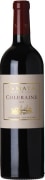 Te Mata Coleraine 2015Hawkes Bay, New Zealand ● Bordeaux Red Blends
-
James
Suckling - Decanter
-
Robert
Parker - Vinous
-
Wine
Enthusiast
- Green
Ships TomorrowLimit 120 per customerSold in increments of 0 -
James
-
 Domaine Giraud Chateauneuf-du-Pape Galimardes Blanc 2015Chateauneuf-du-Pape, Rhone, France ● Rhône White Blends
-
Robert
Parker -
Wine
Spectator
3.8 Very Good (9)- Green
Ships TomorrowLimit 120 per customerSold in increments of 0 -
Robert
-
 Ships TomorrowLimit 120 per customerSold in increments of 0
 -
 Regaleali Rosso del Conte 2015Sicily, Italy ● Other Red Blends
-
Robert
Parker -
Wine
Enthusiast -
Wine
& Spirits -
Wine
Spectator
4.5 Fantastic (6)- Green
Ships TomorrowLimit 120 per customerSold in increments of 0 -
Robert
-
 Cullen Ephraim Clarke Sauvignon Blanc/Semillon 2015Margaret River, Western Australia, Australia ● Bordeaux White Blends
-
Robert
Parker -
Wine
Spectator
- Green
- Screw Cap
Ships TomorrowLimit 120 per customerSold in increments of 0 -
Robert
-
 Ships TomorrowLimit 120 per customerSold in increments of 0
 -
 Clos d'Ora Rouge 2015Minervois La Liviniere, Minervois, Languedoc, South of France, France ● Rhône Blends
-
Robert
Parker -
James
Suckling -
Wine
Spectator
4.4 Very Good (16)Ships TomorrowLimit 120 per customerSold in increments of 0 -
Robert
-
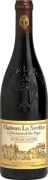 Chateau La Nerthe Chateauneuf-du-Pape Cuvee des Cadettes 2015Chateauneuf-du-Pape, Rhone, France ● Rhône Blends
-
Tasting
Panel -
Robert
Parker -
Wine
Spectator -
Jeb
Dunnuck -
Wine
& Spirits
4.9 Fantastic (23)Ships TomorrowLimit 120 per customerSold in increments of 0 -
Tasting
-
 Quinta da Muradella Alanda Blanco 2015Spain ● Other White Blends
-
Robert
Parker -
Wine
& Spirits
4.1 Very Good (7)- Boutique
- Green
Ships TomorrowLimit 120 per customerSold in increments of 12 -
Robert
Browse by Category
Red White Sparkling Rosé Spirits GiftsNatural Wine, Organic & Sustainable Defined ...
Wines marked with the green leaf icon, reds, whites, sparkling, and so on, are produced using organic, biodynamic or sustainable practices as certified by various domestic and international organizations. Any spirits marked with the green leaf have been made using sustainable methods designed to decrease their production impact on the environment.
Does the green leaf mean it is a natural wine?
Though it is a widely used term, “natural wine” is difficult to indisputably define. Other terms are almost as popular: “low intervention,” “live,” “raw,” and “green wine,” to name a few. Isabelle Legeron, Master of Wine, in her book, Natural Wine explains the term best.
“Whether or not it is certified (or indeed certifiable), natural wine does exist. It is wine from vineyards that are farmed organically, at the very least, and which is produced without adding or removing anything during vinification, apart from a dash of sulfites at bottling.”
While this definition may sound ideal to most, the USA defines “organic wine” differently. Read on for clarification.
What is the difference between organic wine and wine made from organic grapes?
Organic wine in the USA is regulated by the National Organic Program (NOP) of the USDA’s Agricultural Marketing Service, in accordance with the Organic Foods Production Act of 1990. By definition, organic winegrowing integrates cultural, biological and mechanical practices that foster the cycling of resources, promote ecological balance and conserve biodiversity. Synthetic fertilizers, sewage sludge, irradiation, and genetic engineering are not allowed. Products from outside of the cycle are used minimally. The USDA NOP allows for two categories of finished wine:
- Organic wine, as defined and labeled in the USA, is wine made from organic grapes with no added sulfites. Each country has its own laws on how to define organic wine. But any wine labeled “organic” sold in the USA, whether it is domestically made or imported, is not allowed to have any added sulfites. However, less than 20 mg/L can occur naturally.
- Wine made from organic grapes, which allows minimal addition of sulfites (less than 100 mg/L) cannot be labeled as “organic wine” in the USA, but can mention the use of organic grapes.
What is biodynamic wine?
Biodynamic wine is created from a system of winegrowing similar to that for organic wine, but includes various concepts from the ideas of Rudolf Steiner (1861–1925). Steiner’s farming methods treat soil fertility, plant growth and products, and livestock care and products as ecologically interrelated. Biodynamic agriculture uses compost and manure for fertilization, natural herb and mineral supplements for field sprays and prohibits the use of anything artificial. It treats the entire vineyard as an interrelated part of a self-sufficient farm. Biodynamic farming considers the influence of weather, seasons and movements of the moon and planets on the rhythms of the farm. The term “biodynamic” refers to both the agricultural methods used to grow the vines, as well as winery processing.
What does sustainable wine mean?
Sustainable wine production can be defined by three main goals: environmental stewardship, economic profitability and social and economic equity. This means that sustainable farmers do their best to give back to the environment and to the community, while also furthering their business. Sustainable wine growers may largely use organic or biodynamic practices, and occasionally or minimally use synthetic materials (only the least harmful), but have the flexibility to choose the methods that work best for their goals. The sustainable label tells the consumer which wines are made with ecological, economical and social principles in mind. Its limitation is that it is locally defined and therefore varies regionally.
What are sustainable spirits?
While regulations on the spirits side of sustainable are still in their infancy, that hasn’t stopped individual producers from taking heed of conscientious production techniques to reduce their carbon footprint. Distillers striving to make their operations more sustainable are implementing a wide array of eco-friendly procedures ranging from renewable power solutions, water and heat reclamation systems, utilizing locally sourced agricultural produce and composting or reusing any refuse as fertilizer or feed for livestock. In addition to optimizing the efficiency of the manufacturing process, eliminating harmful single use plastics and repurposing or recycling waste products such as barrels and bottles are also proving to be effective strategies for improving sustainability. All spirits labeled “organic” must meet the regulations provided by both Alcohol and Tobacco Tax and Trade Bureau (TTB) and the USDA.